

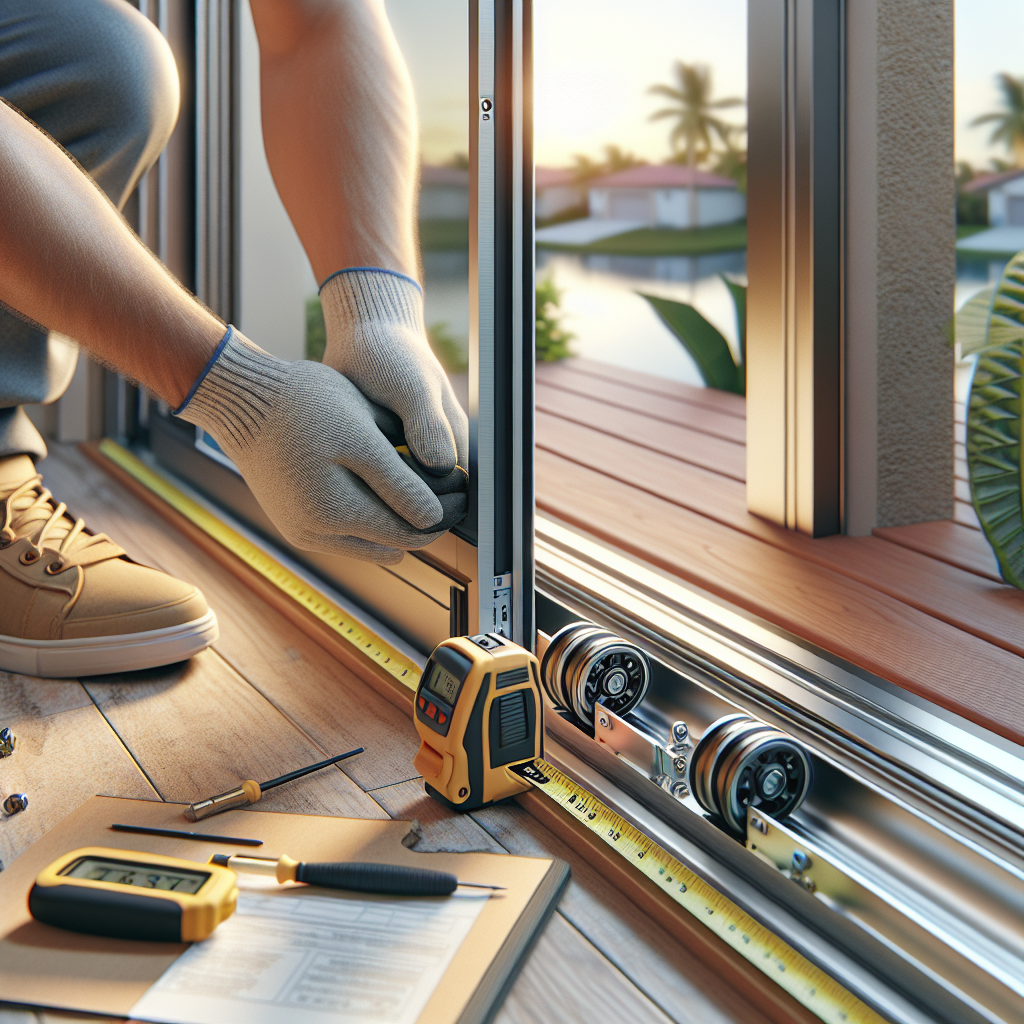
If your patio door is drafty, sticks, or looks dated, a sliding glass door replacement can transform curb appeal while improving energy efficiency and security. This practical guide walks Ocala homeowners through when to repair versus replace, which materials and glass perform best in Florida, realistic cost ranges, and the local code and installation steps you need to know. Expect checklists, hardware recommendations, and clear next steps so you can choose the right door and installer with confidence.
Why replace a sliding glass door now
Immediate gains: replace before problems become expensive. A modern sliding glass door swap fixes chronic alignment and seal failures, reduces solar heat gain with Low E insulated glass, and eliminates weak hardware that invites break ins. In Ocala climate and with Florida storm exposure, these are not cosmetic upgrades but risk reduction measures.
Trade off to accept: cost now versus cost later. Waiting saves money in the short term, but repeated repairs often mask failing insulated glass units or warped frames. Replacing a door once with the correct frame, glass, and hardware usually costs less over five years than multiple repairs plus higher cooling bills and potential water damage repairs.
What actually changes when you replace the door
Performance upgrades are concrete, not vague. You get better U Factor and lower SHGC when you choose double pane insulated glass with a proper low E coating and argon fill, plus tighter sashes and modern weatherproofing. Choosing laminated or hurricane impact sliding glass panels also provides measurable increases in forced entry resistance and eliminates the need for secondary storm protection in many zones; check the Florida Building Code for your property requirements.
- Curb appeal and resale: A contemporary glass slider or large format glass slider changes the look of an elevation and can shorten time on market.
- Energy and comfort: Energy efficient sliding doors cut interior heat gain so air conditioning runs less, an important consideration in Florida summers.
- Security and storm readiness: Upgrading to multi point locks and laminated or impact glass reduces vulnerability during high wind events and burglar attempts.
Concrete example: A homeowner near downtown Ocala had repeat fogging in the existing panes and a sash that leaned off the track after a 2019 storm. We installed a retrofit insulated unit with low E glass and a reinforced aluminum frame, added a multi point locking system, and resealed the opening. After the work the homeowner reported noticeably lower interior temperature near the door and no more fogging within weeks, and their insurer accepted the impact upgrades as part of a premium review. See our local project examples at sliding glass doors.
Practical limitation to know: retrofit versus full-frame. If the jamb is rotted or the opening is out of square, a retrofit insert can fail quickly; full-frame replacement is more invasive but yields the predictable performance you pay for. Choosing the cheaper insert is reasonable only when the surrounding structure is sound.
Key takeaway: If you are seeing recurring fogged panes, alignment that affects egress, or you want verified hurricane compliance, now is the sensible time to replace. Schedule a site inspection to confirm whether a retrofit will suffice or if full-frame work is required.
Assessing repair versus full replacement: a practical checklist
Start with a triage: isolate the failure to a single component or the whole assembly. Small operational problems — rough rollers, a bent track, or an adjustment‑only latch — are repair candidates. Widespread issues — multiple failed insulated glass units, visible frame distortion, or active water intrusion into the wall cavity — point toward full replacement.
Practical reality: repairs are cheaper short term but rarely restore original thermal, weather, or security performance when more than one element has failed. Decide based on measurable checks, not just appearance.
| Symptom | What to check (safe homeowner checks) | Repair viable? | Action & trade-off |
|---|---|---|---|
| Sliding is stiff or noisy | Inspect the track for debris, run a push/pull test, lift sash to test rollers | Yes | Replace rollers, clean track, adjust alignment. Low cost; expect restored function if frame is square. |
| Latch won’t engage or hardware feels loose | Operate latch while watching strike plate alignment; test engagement force | Yes (often) | Adjust or replace lockset; consider multi point lock only if frame pocket supports it — otherwise replacement may be required later. |
| Condensation between panes (fogging) | Look for moisture lines, check multiple panes for pattern | No | Replace the insulated glass unit or whole sash. Replacing only the glass is cheaper but sash/frame condition matters for longevity. |
| Cracked or shattered glass | Confirm glass type (tempered/laminated) if visible | Yes (glass) / No (laminated required) | Tempered panels replaceable. Laminated or impact upgrades require matching framing and sometimes permit work. |
| Visible frame corrosion, bowing, or rotten jamb | Tap wood jambs, inspect sill flash, measure squareness | No | Full-frame replacement. Patching is a stopgap and usually fails where structure is compromised. |
| Water pooling at sill or stains on interior wall | Run a hose test or inspect weep holes and flashing | No | Investigate flashing and threshold; leaks often mean the opening needs remediation and new door installation. |
| Security concerns (easy pry points) | Check for anti-lift devices and the strength of keepers | Maybe | Hardware retrofits help, but weak frames or shallow pockets reduce effectiveness — consider replacement with reinforced frame for lasting security. |
| You want lower energy bills or impact-rated glass | Compare current U Factor/SHGC labels or consult installer | No (often) | Upgrading to insulated low‑E or impact-rated systems usually requires replacement to get the correct frame, thermal breaks, and certified glass. |
Real-world case: A homeowner in west Ocala had fogging across the whole slider plus a sagging bottom rail after a storm. We measured out‑of‑square jambs and failed sealant at the sill; replacing just the glass would have left the leak and misalignment. The crew performed a full‑frame replacement with an insulated, low‑E double pane sash and reinforced sill — higher upfront cost, but predictable performance and no repeat callbacks.
Judgment that matters: if two or more independent systems fail (glass seals, frame alignment, and hardware), plan for full replacement. Patch repairs in that scenario almost always return. Cheap retrofit inserts look attractive, but they fail fast on degraded openings or when you later add multi point locks or impact glazing.
If you are unsure, get a measured inspection that documents jamb condition, sill flashing, and glass type. That paper trail is what separates a sensible retrofit from a wasted spend.
Inspection tip: R C Windows & Doors documents findings with photos and a repair vs replacement recommendation. For permit or impact‑rating questions consult the Florida Building Code or contact us to schedule a site visit.
Selecting materials and glass for Ocala climate
Start with the glass, not the frame. In Ocala the single biggest measurable win is choosing the right glazing for solar control and durability: double pane insulated glass with a Low E coating and argon cuts heat gain and condensation more than switching frame materials alone.
Frame material trade-offs you need to choose consciously
Vinyl: low maintenance and usually the most cost-effective. It performs well in humidity but can flex on oversized patio sliders and struggles when you want a very slim sightline or paintable finish. Aluminum with a thermal break: gives the thinnest profiles and best look for large format glass, but insist on a thermal-break extrusion to avoid hot frames and interior comfort issues. Fiberglass: close to aluminum for stability, better thermal characteristics than plain aluminum, and paintable for longevity—but it carries higher cost.
Practical limitation: If you plan oversized patio sliders or custom sliding glass panels, aluminum or fiberglass frames are often the only realistic option because vinyl systems rarely provide the necessary rigidity without heavy reinforcement, which negates the cost advantage.
Glazing choices and their real-world consequences in Florida
Low E insulated units are the baseline for energy efficiency. For Ocala pick coatings formulated to lower SHGC as well as U Factor—this reduces cooling load. Argon fill helps marginally and is worth it for full-frame replacements.
Laminated and impact glazing: laminated glass improves forced-entry resistance and holds together if broken; impact-rated assemblies meet Florida code in wind‑borne debris zones and eliminate the need for external shutters in many cases. Expect higher sliding door cost and heavier sashes; plan for reinforced rollers and deeper frame pockets when you specify these options.
Trade-off judgment: laminated or impact glass is a clear safety and insurance advantage in storm-prone areas, but it is heavier and more expensive. If your budget is tight, prioritize Low E insulated units now and plan impact upgrades at the next major remodel rather than skimping on glazing that undermines expected lifespan.
Concrete example: A homeowner near Silver Springs wanted a contemporary, oversized patio slider but was quoted a standard vinyl system. We recommended an aluminum thermal-break frame with double pane Low E glass; the extra rigidity prevented sash bowing and the reduced SHGC dropped the room temperature by a noticeable margin during afternoon sun. The cost was higher up front, but there were no alignment callbacks in two years and the insurer recognized the impact-ready prep in their file.
For verified code or impact requirements for your property, consult the Florida Building Code and get a site measurement before ordering glass or frame systems.
Key decision rule: If your priority is lower cooling bills and fewer callbacks, choose an insulated Low E unit in a properly sized, rigid frame. If your priority is storm resilience and security, budget for laminated or impact-rated glazing plus reinforced frame hardware.
Security upgrades that make a measurable difference
Straight to the point: not all security upgrades are equal. Some changes — the ones that change how the door resists prying, impact, and sash lift — produce measurable improvements; cosmetic hardware swaps do not.
Hardware that changes the outcome
Multi point locking systems: retrofit multi point locks convert a single latch into several engagement points along the stile and dramatically reduce leverage points for a pry attack. Practical trade-off: multi point systems require a frame with enough pocket depth and alignment accuracy; installing one on a warped sash is wasted money.
Anti-lift devices and reinforced keepers: anti-lift pins stop the sash from being lifted out of the track, and stainless steel keepers resist deformation at the strike. These are low cost and very effective when paired with a sturdy frame. If your frame pockets are shallow, the manufacturer recommended keepers will not perform as advertised.
Glass and frame upgrades that actually help
Laminated glass versus film: laminated glazing holds together on breakage and improves forced entry resistance because the interlayer bonds to the frame under load. Surface films cut shards but do not add structural resistance in the same way; films are a stopgap, laminated glass is a solution.
Reinforced frames and thermal-break aluminum: adding steel reinforcement or choosing an aluminum thermal-break frame increases rigidity for large or oversized patio sliders. Consideration: heavier sashes from laminated or impact units need upgraded rollers and deeper sill pockets, which increases sliding door cost and may push a job from retrofit to full-frame replacement.
- Priority 1 – glazing: specify laminated or impact-rated insulated glass for storm and entry resistance
- Priority 2 – frame strength: confirm reinforcement or choose an extrusion rated for the sash weight
- Priority 3 – locking hardware: multi point locks and reinforced keepers installed to manufacturer tolerances
- Priority 4 – anti-lift and threshold: anti-lift pins and improved sill retention to prevent sash removal
- Priority 5 – sensors and integration: recessed contact sensors and tilt sensors that do not rely on surface-mounted adhesive alone
Concrete example: a homeowner in north Ocala had a standard vinyl slider and experienced an attempted pry at night. We replaced the glass with laminated insulated units, installed a multi point lock, and upgraded keepers to stainless steel. The door now requires significantly more force and longer attack time to breach, and the homeowner paired the upgrade with recessed contact sensors tied into their existing security panel.
Important limitation: heavier security glazing often exposes weak points elsewhere – rollers, sill anchors, and the jamb fasteners. If those are not upgraded to match the new loads the system will underperform or fail prematurely. That is why a measured inspection is necessary before ordering upgrades.
Upgrading only the lock or only the glass is common but incomplete. For measurable security you must treat glass, frame, and hardware as a system.
Practical rule: If you plan laminated or impact glazing, budget also for reinforced rollers, deeper keepers, and possible full-frame work. Ask your installer for a documented load plan and manufacturer compatibility before committing.
If you want an on-site assessment that ties security recommendations to specific costs and code implications, schedule an inspection through our sliding door services at R C Windows & Doors or check local impact rules at the Florida Building Code.
The R C Windows & Doors replacement process in Ocala
What you get when we replace a sliding glass door: a documented, measured job plan that ties the product, the opening condition, and the permit requirements together so you do not pay for surprises later. R C Windows & Doors treats every install as a coordination problem — measurements, structural condition, glass specification, and hardware compatibility must align before we order anything.
Typical project stages and realistic timing
- Site inspection and documentation: we photograph the opening, note flashing and sill condition, and record any out-of-square dimensions and substrate damage.
- Written estimate with options: you get line-itemed choices (retrofit insert vs complete frame swap, insulated Low E vs laminated impact glass, vinyl vs aluminum thermal-break) so costs are transparent.
- Precise measurement and shop drawings: we generate drawings the manufacturer uses; this reduces change orders and ensures replacement patio doors fit the real opening.
- Permits and compliance checks: if impact-rated glazing or structural changes are needed we pull permits and prepare the documentation required by the Florida Building Code.
- Ordering and lead-time management: laminated or hurricane-impact glass increases lead time and shipping handling; we confirm delivery windows before scheduling crews.
- Site protection and installation: we protect floors and landscaping, remove the old assembly, correct substrate defects if needed, install the new unit, and test hardware and weep systems.
- Final inspection and customer walkthrough: we verify operation, seals, and locking hardware; you receive care instructions and warranty paperwork.
Practical trade-off to accept: choosing heavier impact or laminated glazing improves safety and may reduce insurance exposure, but it commonly forces deeper tracks, reinforced rollers, and occasionally full opening repairs — which means higher sliding door cost and longer on-site time. If the opening shows rot or out-of-square measurements during inspection, an insert will often be a false economy.
Local considerations we handle: R C coordinates Marion County permit filings, documents compliance with local wind‑borne debris rules, and supplies impact certification when applicable. For straightforward retrofit jobs we still verify sill flashing and anchorage so the new weatherproofing lasts.
Concrete example: a homeowner in east Ocala had a 10-foot slider with a bowed head and failed sill flashing. Our inspection documented the problem, we ordered an aluminum thermal-break replacement with laminated insulated glass, and scheduled a two-day on-site installation after a three-week factory lead time. The job included replacing the sill substrate and installing reinforced rollers so the heavier glass would operate reliably; there were no callbacks.
Judgment that matters: insist on documented measurements and shop drawings and confirm who handles permits before you sign. Installers that skip measurements or say permits are optional often create expensive rework when impact glazing or structural repairs are required.
Warranty and permit note: R C Windows & Doors provides labor and material warranties and will assist with permit paperwork. If you want an on-site assessment that ties recommendations to exact costs and code documentation.
Next consideration: before ordering, get a written lead-time and a clear statement about whether your opening will accept the selected sliding door options; that single check prevents most schedule and cost failures.
Cost breakdown, financing, and insurance considerations
Start with the real cost drivers: the largest single variables are the glazing choice (Low E insulated vs laminated or impact), the frame system (vinyl vs aluminum thermal-break vs fiberglass), and whether the opening needs structural work. Labor, permits, and disposal are predictable line items but they are rarely the primary reason a quote jumps.
How the price usually breaks down in practice: product and glass typically account for the biggest share of a paid invoice, installers charge more when the job requires substrate repair or full-frame removal, and specialty items (multi point locks, reinforced rollers, deep sill work) add small line-item costs that matter when you stack them. Practical trade-off: spending more on correct glazing and a rigid frame up front avoids repeat calls and lower long-term lifecycle cost.
- Financing paths homeowners use: cash or credit card for quick jobs; unsecured personal loans for mid-sized projects; contractor-arranged financing for larger installs with fixed terms.
- What to watch for in financing: read the APR and prepayment terms, confirm the loan does not require you to accept lower-grade materials, and get all finish dates and deliverables in writing before signing.
- When financing makes sense: if replacing with impact-rated glazing now prevents a future costly storm repair or meets insurer requirements for reduced premiums, financing can be justified despite interest costs.
Insurance behavior that actually matters: insurers differentiate between storm claims and upgrade requests. For storm or accidental damage you should document the damage immediately with photos, get a written contractor estimate, and notify your carrier before work begins. If you plan to claim impact-rated upgrades as mitigation, collect product approval documentation and make sure the installer provides the certification your insurer will require.
Important: small cosmetic fixes are often below deductibles and best paid out of pocket; major storm or structural damage is worth filing, but only after you have a contractor estimate and photos.
Concrete example: after a late-season storm an Ocala homeowner had a cracked bottom panel and sill water intrusion. We provided time-stamped photos, an itemized estimate for full-frame replacement with laminated insulated glass, and the product approval numbers. The insurer approved the claim for the damaged sash and covered a portion of the replacement; because the owner documented impact-ready specs the adjuster discounted the premium review the following year.
Claim checklist: take dated photos, keep the old damaged panel if safe, get an itemized estimate that lists product approvals or TAS numbers, confirm permit requirements, and ask your carrier what proof they need before you order custom glass. R C Windows & Doors can provide the documentation and handle permit interactions.
Final practical judgment: get two things before you commit: a written, line‑item estimate that separates glazing, frame, hardware, and substrate work; and a statement from your insurer about coverage and any premium implication. That prevents surprises where an attractive low-price insert becomes an expensive rework once permits, heavier glass, or reinforced hardware are required.
Aftercare and maintenance to protect style and security
Maintenance determines whether your sliding glass door replacement delivers on its promised performance. Small, regular tasks protect the glass, preserve finishes, and keep security hardware functioning — and they cost a fraction of a full replacement.
Start with a tight, practical checklist you can do yourself and a short list of items you should leave to a pro. Do-it-yourself maintenance prevents common failures; professional maintenance catches things homeowners miss (substrate rot, compromised anchors, or slow seal failure).
- Monthly: clean tracks and remove debris; test door for smooth travel and full latch engagement.
- Quarterly: clear weep holes with a soft brush, wipe weatherstripping with a damp cloth, and apply a silicone-based lubricant to rollers and lock cams (do not use oil or greases that attract grit).
- Annually: inspect keepers, anti-lift devices, and fasteners for corrosion or looseness; tighten jamb anchors if accessible; check sash alignment and operation under load.
- As needed: use pH-neutral glass cleaner for Low E and laminated units and avoid ammonia-based products which can damage coatings; replace worn rollers or seals rather than forcing operation.
Practical trade-off to accept: routine care keeps your door functional and attractive, but it will not correct structural problems. If the sill, jamb, or flashing is compromised, maintenance only postpones the inevitable and may even mask leaks until they worsen.
Concrete example: A homeowner in Ocala reported a sticky, noisy 10-foot slider six months after installation. A technician found compacted debris, a misaligned heavier laminated sash, and undersized rollers. Replacing the rollers with reinforced units, re-setting the sash, and adjusting the keepers restored smooth operation; an annual roller check now prevents repeat friction and preserves the finish.
Common misunderstanding: people think glass films substitute for laminated glazing. Films can reduce glare but do not strengthen the assembly or replace the need for proper framing and reinforced hardware. If security or hurricane compliance is the goal, specify laminated or impact-rated units and match the frame and rollers to that load.
When to call a professional
Call an installer when you see persistent condensation between panes, sagging or bowing sashes, water staining at the jamb, or when you plan to add multi point locks or heavier laminated/impact glazing. These changes affect anchor loads, roller sizing, and sometimes require permited work to meet the Florida Building Code.
Maintenance rhythm: quick homeowner checks each season, a focused tune-up every 12 months, and a professional inspection every 3–5 years (sooner if you have heavy coastal exposure or impact glazing). Document work with photos to protect warranty and insurance claims. For professional service, see our sliding door options at R C Windows & Doors.
Final takeaway: an annual maintenance habit plus a documented professional inspection is the most cost-effective way to keep replacement patio doors looking contemporary and resisting forced entry or storm damage. Treat glass, frame, and hardware as a system — neglect one and the others pay the price.
Frequently Asked Questions
How do I tell repair from replacement? Small, isolated problems — a noisy roller, a misaligned latch, or a single cracked pane — can usually be fixed without replacing the whole assembly. When two or more systems are degraded (glass seals, frame squareness, and hardware), the recurring costs and diminished performance make full replacement the more economical choice over a 3–5 year horizon.
Are impact-rated sliding glass doors required for my Ocala home? Requirements depend on the wind‑borne debris zone for your parcel and whether the door is on a windward exposure. We check local classifications and the Florida Building Code for you; if your property is in an impact zone, specifying certified impact assemblies avoids failed inspections and saves hassle later. See the official rules at Florida Building Code.
What glazing actually lowers cooling bills in Florida? Insulated double pane units with a targeted Low E coating that reduces SHGC are the practical choice for Ocala. Argon fill and proper thermal breaks in the frame add measurable benefit. For independent guidance, review U.S. Department of Energy recommendations at Energy Saver.
How much should I budget and what causes price swings? Expect wide variation: basic sash and glass swaps are on the low end, while full-frame replacements with laminated or impact glazing, reinforced rollers, and multi point locks increase cost substantially. Long lead times for custom oversized glass and added permit work are common drivers of higher final price.
Can I improve security without replacing the entire door? Yes — but only up to a point. Installing multi point locks, anti-lift pins, and heavier keepers provides significant resistance to pry attacks when the frame is solid. Adding laminated glass or wiring recessed sensors further improves security. If the frame is weak, these upgrades underperform; the right sequence is inspect, reinforce frame or anchors if needed, then fit hardware.
How long does a professional replacement take and who handles permits? A standard retrofit install is usually completed in one to two working days on site after factory lead time. R C Windows & Doors can manage measurements, permit filings, and documentation for Marion County so the job meets code and your insurer’s paperwork requirements.
What are common misunderstandings homeowners have? Many expect a sticker upgrade such as film or a new lock to equal laminated glass or structural reinforcement. Films help glare but do not add meaningful forced-entry resistance or meet impact-code requirements. Also, underestimating sash weight is a repeat problem — heavier glazing needs reinforced rollers and deeper sill pockets.
Before you request quotes: photograph the opening (interior and exterior), note visible damage at the sill, and save your policy number. These three items speed accurate estimates and insurance interactions.
Real-world example: A homeowner on a busy Ocala street wanted quieter indoor living. We recommended double pane Low E insulated units with improved seals and recessed contact sensors. The retrofit cut audible street noise slightly and reduced afternoon heat; because the frame was square, the work avoided a full-frame replacement and kept costs moderate.
Small upgrades are useful, but they must match the opening. Treat glass, frame, and hardware as one engineered system or the weakest part defines performance.
Concrete next steps you can take now: 1) Take clear photos of the door from inside and outside and upload them when you request an estimate. 2) Schedule a measured inspection so an installer can confirm frame condition and list required reinforcements. 3) If you have storm or accidental damage, document with time-stamped photos and call your insurer before ordering custom glass. For a local site visit, contact us at R C Windows & Doors.