

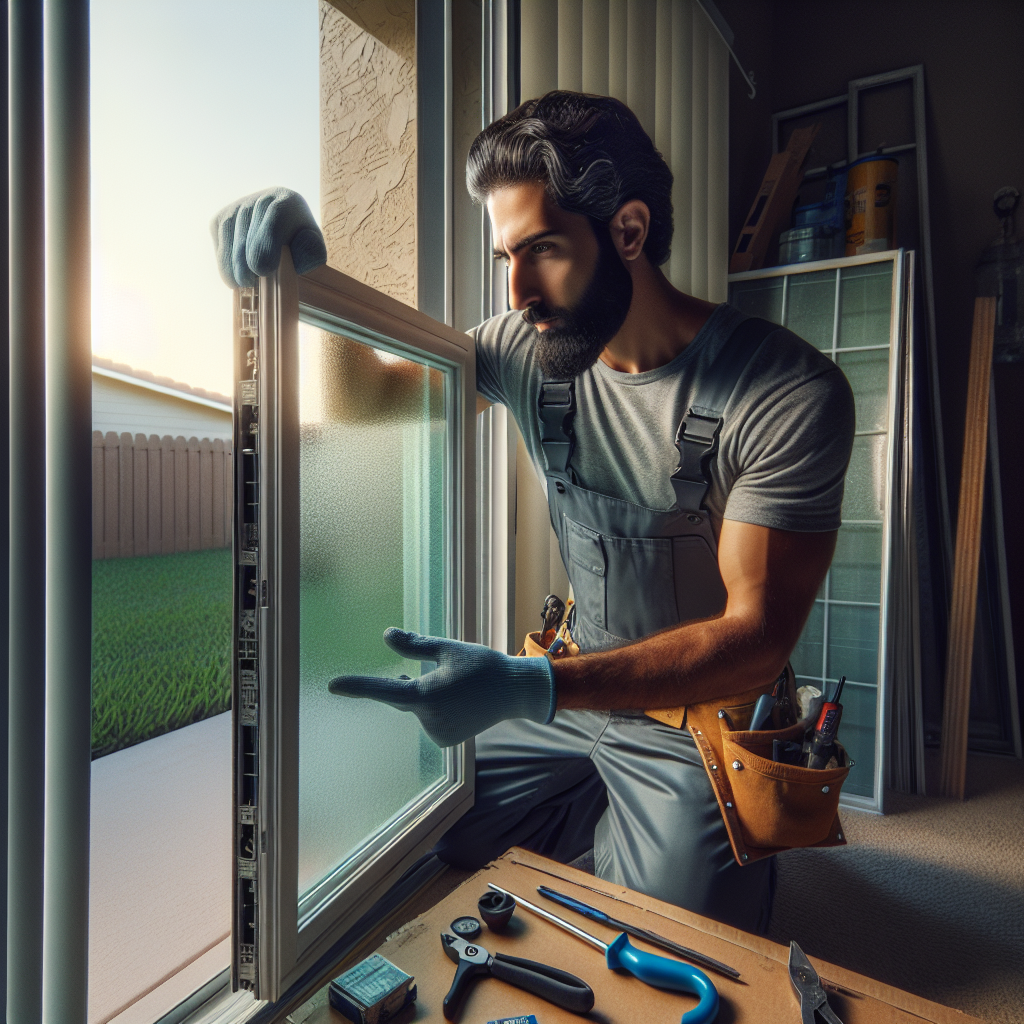
Cracked, fogged, or broken panes threaten safety, energy efficiency, and curb appeal, and small problems can quickly erode your home’s value. This guide explains when to call professional glass repair services, what repairs can restore performance versus when full glass replacement is the better choice, and realistic cost and timeline expectations for Ocala homeowners. You will get a step-by-step look at the workmanship and permits involved, simple inspection criteria for deciding repair versus replacement, and a checklist for choosing a trustworthy local contractor in Marion County.
Why quality glass repair protects your home and investment
Immediate hazards matter. A cracked pane is not just an eyesore; it raises the risk of injury, reduces the locking effectiveness of windows and sliding doors, and creates a direct path for water to reach frames and insulation. In Florida humidity, that water accelerates rot and mold growth behind cladding where problems remain unseen until they are expensive.
Short term fix versus long term cost. Repairing a chip or edge crack costs a fraction of full replacement, but there is a point where repair is false economy. If the seal on an insulated glass unit has failed or the glass is safety rated and compromised, replacement is the only responsible option.
Practical tradeoffs to weigh
- Safety first: Replace tempered or laminated glass used in doors and low windows rather than attempting cosmetic patching.
- Energy and comfort: Repairing glass does not restore lost insulation from a failed insulated glass unit; replacing the unit restores thermal performance and can reduce cooling load — see Energy Saver guidance.
- Hidden damage risk: Small visible damage often accompanies unseen frame or seal degradation; an inexpensive glass repair that ignores a warped sash will not stop leaks or insect entry.
- Resale and curb appeal: Buyers notice fogged or cracked glass; a targeted repair keeps asking price stable, whereas deferred glass issues force larger concessions at sale.
Concrete example: An Ocala homeowner had a foggy insulated pane in a rear sliding door. Technicians confirmed the sash was sound but the IGU seal had failed; replacing the insulated unit restored visibility and removed interior condensation, and the measured cooling cycle shortened because the new unit reduced heat transfer. The job used a factory sealed IGU to match the original frame and completed in ten days including ordering.
What contractors do well and what they sometimes miss. Skilled glass repair companies can stabilize marginal damage and delay replacement without creating safety risk. But some operators push full replacement for high margin without documenting why; demand written evidence that a repair is insufficient and a clear explanation of alternatives before authorizing replacement. Use the estimate to compare repairs to glass replacement options.
Key takeaway: choose repair when the structural integrity and seals are intact; choose replacement when safety glazing, insulating performance, or hurricane resistance are compromised. A clear written inspection will tell you which path actually protects value.
Next consideration. After addressing the immediate glass issue, document the repair or replacement with photos and invoices for insurance and future buyers. That documentation is often the only evidence of proactive maintenance when it matters.
Common glass problems and a short homeowner diagnostic checklist
Most glass problems fit into three practical categories: impact damage (chips and cracks), seal failure in insulated units (visible fogging or moisture between panes), and operational or frame-related failures that make the glass appear damaged even when the pane itself is intact. Identifying which category you have narrows the options quickly and prevents paying for unnecessary full replacements.
What typically goes wrong: impact flaws start small and spread, seals fail slowly and then suddenly show condensation, and hardware or warped sashes create leaks or stress cracks. Each failure has a different cost and time profile: an isolated chip can be patched the same day; a failed insulated glass unit usually requires ordering a replacement IGU; a warped frame often means the glass will continue to fail until the frame is repaired or replaced.
Homeowner diagnostic checklist
- Locate and size the damage: note whether it is a hairline crack, chip, edge break, or full fracture and estimate length (is it across the whole pane?).
- Where it sits matters: damage near corners or the glass-to-frame interface is more likely to spread and often rules out a simple cosmetic fix.
- Look for seal failure: interior fogging, streaks, or permanent misting between panes means the insulated unit has lost its seal and will not regain insulating performance without replacement.
- Check operation and fit: does the sash open smoothly? Does the lock engage fully? If operation is poor, the pane is under stress and repairs will be temporary unless the frame is addressed.
- Inspect surrounding materials: look for water stains, soft wood, or mold on the interior trim—these are signs the problem has been ongoing and the glass is not the only item that needs work.
- Safety glazing identification: for doors and low windows, look for factory etch marks or ask a contractor to verify if the pane is a safety-rated product before choosing a repair approach.
Practical tradeoff: a quick patch saves money now but can mask a deeper issue. For example, sealing a small crack in a stressed sash will hold for weeks but often fails again after thermal cycles or heavy winds. If you plan to sell within a year, a visible temporary repair can cost you credibility with buyers and inspectors.
Concrete Example: A homeowner in north Ocala noticed a dime-sized chip on a front bedroom window and delayed action. A summer thunderstorm caused the chip to run into a 3-foot crack; water followed the crack into the frame and the interior trim developed mold. The final repair required full glass replacement plus trim and repainting—three times the cost of the original chip repair.
If the glass interferes with safe egress, security, or allows water into the structure, treat it as an urgent repair and call a professional.
Key action: take dated photos, note which room and which pane, and get a written estimate that separates the glass work from any frame or finish repairs. That documentation makes decisions and insurance claims far easier.
When to repair versus replace: objective criteria and local cost expectations
Practical rule: choose repair when the glass still performs its core functions – safety, weather barrier, and visibility – and replacement when one objective threshold is crossed (safety glazing compromised, insulating seal failed, or the frame is structurally unsound). Making that call with evidence prevents needless spending and avoids dangerous band-aids.
Objective thresholds and what they mean in practice
| Condition observed | Recommended action | Local cost expectation and notes |
|---|---|---|
| Isolated surface chip or short hairline crack away from corners | Repair the glass; monitor for spread | Often a low-cost repair that restores clarity and delays replacement; typically under a few hundred dollars in Ocala for standard panes |
| Crack runs to edge, is long, or compromises a door/egress sash | Replace the pane or unit (safety first) | Replacement is the prudent choice — expect a moderate expense that varies by glass type and whether the unit is insulated, tempered, or impact-rated |
| Permanent interior condensation between panes (seal failure) | Replace the insulated glass unit or entire sash depending on frame condition | Custom IGU ordering is common in Marion County; budget for several hundred to higher depending on size and Low-E or argon options |
| Glass is safety-rated and has fractured, or storm damage exposed failed framing | Full replacement with code-compliant glazing and possible frame repair | This often moves into the higher cost band because impact-rated or laminated glass and frame work add to materials and labor |
Real-world judgment: replacing glass solely for aesthetics is easy to sell but rarely necessary. In Ocala, I see homeowners upsold on full replacement when a targeted repair plus minor frame adjustment would have solved the issue for a fraction of the cost. Ask for documentation showing why repair cannot meet safety and thermal needs before agreeing to full replacement.
Practical trade-off to consider: upgrading to double-pane Low-E or impact-rated glass increases upfront cost but reduces long-term energy and storm-risk exposure. That upgrade can be worth it when you plan to stay in the house through several cooling seasons or need to meet insurance or code requirements; it is not usually cost-effective as a short-term cosmetic fix.
Concrete example: a family had an edge crack at the lock of a sliding patio door. The contractor recommended a repair, but a second opinion showed the sash was warped and the lock track stressed. The correct course was full replacement of the door unit with tempered, properly fitting glass; the repair would have failed within weeks and left the door insecure.
If the defect compromises egress, lock security, or shows seal failure, budget for replacement — repairs are a stopgap in those cases, not a long-term solution.
Action step: get a written estimate that separates labor, glass type, and any frame work; include lead times for custom IGUs or impact glass and ask whether the quote meets Florida code or insurer requirements. Compare that to a repair estimate before deciding.
Next consideration: when you request bids, insist on separate line items for glass, labor, and any frame repairs and confirm estimated lead times. That one document clarifies whether a repair is truly economical or just postponing an inevitable replacement.
Step by step: what a professional glass repair or replacement project looks like
Straight to the point: a quality glass repair or replacement is a short project with clear milestones — undocumented work is the main source of surprises. Expect documentation, measured specifications, temporary protection when needed, and a final inspection tied to a warranty.
1) Field assessment and quote
What they record: the technician measures visible glass and the frame, photographs damage from multiple angles, notes safety glazing markings, and records whether the IGU shows seal failure or moisture. Insist on a written estimate that lists glass type (tempered, laminated, IGU), manufacturer, and separate labor and disposal line items. Use that paper for insurance and comparison.
2) Short-term protection (if required)
Temporary measures matter: for broken panes or storm damage a competent crew will secure the opening with plywood or a fitted acrylic panel and weatherproof the frame. Tradeoff: fast boarding prevents water and intruders but can add a short rework step at installation because boards can compress weatherstripping or hide frame distortion.
3) Ordering the correct unit
Specifications you should see: exact glass size to 1/8 inch, edge profile, spacer type, Low-E or argon options, and impact/laminated certification if required by code or insurer. Custom IGUs and impact pieces take time; expect quoted lead times and a manufacturer spec sheet before production starts.
4) Removal and installation
Execution details that separate tradespeople from amateurs: safe removal (special handling for tempered or laminated shards), correct glazing bite, backer rod and compatible sealant, and setting blocks to avoid glass stress. Limitation: sealants need cure time — in humid Florida conditions you may see longer tack times, so installers should schedule work to avoid same-day heavy rain exposure.
5) Final inspection, cleanup, and documentation
Close-out items: removal of protective films, verification of smooth operation and locking, written warranty registration, and photos of the finished assembly. A professional crew leaves you a document showing product serials or certification labels — keep that with your insurance records.
Concrete example: After a derecho-level storm in south Marion County, a homeowner had a shattered patio door. The crew boarded the opening the same day, documented damage and provided a three-line estimate for boarding, replacement laminated impact glass, and labor for installation. The insurer approved the IGU upgrade; the fabricated impact unit arrived in 18 days and the crew completed installation and warranty registration on day 20.
Important: never accept a verbal description of the glass. Require the product spec, the manufacturer name, and a written labor warranty before work begins — that paperwork is the only thing you can enforce later.
Glass types and upgrades that matter in Florida
Start with the decision that actually matters: pick glass based on exposure and function, not looks alone. In Ocala the real trade-offs are storm resilience, solar heat gain, and how the glass interacts with existing frames and hardware.
What each glass type buys you — and what it costs
Tempered glass is inexpensive and required where safety glazing is needed, but it has a key limitation: it cannot be cut or altered after tempering. That means if your sash or track needs adjustment, a tempered pane offers no field repairs and will need full replacement if sizing changes are required.
Laminated/impact glass keeps the opening intact after a hit and reduces windborne debris risk. Practical judgment: invest in impact-rated units only where code, insurer incentives, or exposure justify the premium — typically ground-level patios, large storefronts, and primary entry doors. Confirm product certification for any insurance discount and inspect frame anchorage; a certified pane on a weak frame is wasted money.
- Insulated glass units (IGUs): restore thermal performance and stop fogging, but they add weight and can fail faster in very humid conditions if lower-quality spacers are used
- Low-E coatings: lower solar heat gain when specified correctly; in Florida choose coatings aimed at reducing SHGC for west and south exposures rather than blindly chasing U-factor numbers
- Laminated with acoustic interlayers: smart for homes on busy roads — you get sound reduction and safety, but expect higher cost and slightly lower visible light transmission
Practical constraint: upgrading glass without addressing frames or hardware is a common mistake. A new double-pane Low-E unit can fail to fix drafts if the sash is warped or rollers are worn. In practice I recommend confirming frame square, roller capacity, and latch alignment before ordering custom units; specify that in the written estimate.
Real-world case: A Marion County homeowner swapped a large rear sliding door to laminated impact glass after repeated storm damage. The job required new rollers and a reinforced sill to carry the weight; the crew documented the frame work on the estimate, the impact IGU arrived in three weeks, and the insurer applied a partial premium credit once certification was provided.
Key takeaway: target upgrades to where they change risk or cost: impact glazing for vulnerable openings, IGUs/Low-E where solar gain drives cooling bills, and laminated for combined safety and sound control. Always pair the glass spec with frame and hardware checks to avoid wasted upgrades.
Next practical step: when you get quotes, require the manufacturer name, model or certification, spacer type, and whether the quote includes any roller or latch upgrades. Compare those specs to Florida Building Code requirements and to the product sheets provided by the contractor before you sign.
How to choose a local Ocala contractor and what to ask
Start with proof, not promises. A trustworthy glass repair company will hand you verifiable documents at the first estimate: license details, insurance certificates, product specs, and a written scope that separates glass, labor, and any frame work.
Essential verifications to demand on the spot
- Licensing check: Ask for the contractor’s
license numberand confirm it on MyFloridaLicense. Small local shops sometimes operate without the correct registration; that risk should be non-negotiable. - Insurance proof: Request current general liability and workers compensation certificates naming your property (or at least the address). If a crew member is hurt on your job and the company lacks coverage, you can be on the hook.
- Product specification sheet: Demand manufacturer name, model or certification, and whether the unit is tempered, laminated, IGU, or impact-rated. Insurers and code inspectors need these exact details.
- Written warranty: Get separate warranty terms for glass, seal failure, and labor in writing. Oral guarantees are worthless when something fails after a storm.
- Permit and inspection responsibility: Clarify who pulls permits and handles inspections. Some contractors quote lower because they skip permits; that often backfires during resale or insurance claims.
- Payment and lien release schedule: Insist on a staged payment plan and a final lien release when the job is done and paid.
Practical trade-off: The lowest bid rarely includes properly certified materials, correct anchorages, or the paperwork insurers require. Paying 10–20 percent more for verified product specs and a documented warranty usually saves money and headaches later.
Questions that separate competent companies from opportunists
- Who fabricates the glass and where is it certified? Ask for the factory spec sheet and certification label — not a vague brand name.
- Do you install to meet Florida Building Code or insurer requirements? If they hedge, get a second opinion; impact-rated glazing requires correct anchorage and documented certification.
- What exactly is covered by the labor warranty and for how long? Look for a written duration and exclusions (seal failure, extreme impact, etc.).
- Will you register the warranty with the manufacturer and provide serial numbers? If not, the product warranty is much harder to enforce.
- Do you use employees or subs, and who supervises the work? Subcontracting is fine if the supervisor is qualified and insured — confirm names and credentials.
Real-world example: An Ocala homeowner accepted the lowest bid for a sliding door IGU replacement. The installer used a common insulated pane without the impact or spacer certification the insurer required. During the inspection the carrier rejected the upgrade and refused a premium credit; the homeowner paid again to replace the pane with a certified IGU. The initial low price became a significant net loss.
Judgment that matters: Local experience matters more than national marketing. A company that repeatedly installs certified impact units and files warranty paperwork in Marion County understands local inspectors and insurers. Ask for recent Ocala job references and photos — if they cannot produce them, treat that as a red flag. For transparent estimates and local service, see R C Windows & Doors.
Bottom line: require verifiable license and insurance, written product specs, and a clear written warranty before work begins. If any item is missing, get another bid — it is rarely worth the risk to proceed without paperwork.
Costs, maintenance, insurance claims, and protecting ROI
Straight fact: the sticker price for glass work hides four separate decisions you actually pay for: the glass specification, the frame and hardware work, emergency protection, and the paperwork needed for permits or insurance. Knowing those boxes separates reasonable bids from lowball offers that leave you with repeat work.
What drives cost and where homeowners can save
Cost components: labor for safe removal and setting, the glass unit (single-pane, IGU, Low-E, laminated/impact), accessories (spacers, sealant, setting blocks), and any frame repairs or roller/latch replacements. Practical trade-off: spend more up front on a certified impact IGU for a high-exposure opening and you reduce hurricane risk and possibly insurance premiums; spend on a cosmetic upgrade for a low-risk window and you may not recoup that at resale.
- Where to economize: choose repair for small chips or localized cracks when seals and frame are sound.
- When to invest: replace IGUs showing permanent interior condensation and upgrade to Low-E only where solar gain affects comfort or utility bills.
- Hidden cost trap: cheap replacements that skip proper anchorage or documentation often force a second replacement to meet insurer or code demands.
Insurance reality in Florida: insurers often cover sudden storm damage but may require certified impact-rated products or specific manufacturers for upgrades to qualify for premium credits. Submitting the wrong specs can mean out-of-pocket replacement later — get pre-approval or a claims adjuster sign-off before ordering custom impact glass.
Practical steps to preserve value and smooth a claim
- Document immediately: photograph damage with dated images and record the room and pane location.
- Request a written, itemized estimate: separate lines for glass, labor, frame work, temporary boarding, and permit fees so your insurer and you can see what each covers.
- Request product sheets: demand manufacturer spec pages and certification labels before ordering — insurers and appraisers will ask for them.
- Keep temporary measures documented: if the crew boards an opening, get that invoice; many policies reimburse emergency protective measures.
Concrete example: after a severe thunderstorm in Ocala, a homeowner reported a shattered patio door. The contractor boarded the opening the same day, submitted a three-line estimate (boarding, IGU replacement, labor), and the insurer approved the upgrade to a certified laminated IGU — the boarding invoice paid immediately and the new unit arrived in 18 days. Because the crew documented manufacturer certifications, the owner received the insurer premium credit without a second replacement.
Judgment call homeowners miss: replacing glass without addressing worn rollers, warped sills, or misaligned locks wastes money. In practice, prioritizing the weakest link — usually the frame or hardware — gives better long-term ROI than upgrading every pane to high-end glazing.
If you plan to use insurance, secure pre-approval for upgrades and insist the estimate lists manufacturer and certification details; otherwise a quick fix can become an expensive redo.
Actionable next step: get two itemized bids that include product spec sheets, and check the contractor’s permit and warranty process before authorizing work. For Ocala-specific help and documented estimates, see R C Windows & Doors.
Final consideration: routine, inexpensive maintenance — annual seal inspections, lubricated tracks, and prompt chip repairs — is the single most cost-effective way to protect both function and resale value; deferred small repairs are the frequent cause of large, avoidable replacement bills.
Frequently Asked Questions
Direct point: Most useful answers depend on three facts: whether the pane is a safety glazing, whether the insulated unit seal is intact, and whether an insurer will require certified replacements. Address those three items first and the rest follows.
How should I compare glass repair services and estimates?
Compare specs, not taglines. Ask each company to list the exact glass type, manufacturer, spacer type, and separate line items for labor, disposal, temporary protection, and any frame work. A low number without those details is a guess, not an estimate.
Will insurance cover glass damage after a storm?
Insurance varies. Many policies cover sudden storm damage but coverage and upgrade rules differ. Photograph the damage, get a written estimate, and call your adjuster before ordering custom impact glass. If the insurer will pay for an upgrade only with certified products, get that confirmation in writing.
Can a foggy double-pane window be repaired or must it be replaced?
Seal failure usually means replacement. A permanent mist between panes indicates the insulating unit lost its desiccant or seal. Replacing the IGU restores thermal performance; cleaning the interior surfaces will not fix it. In some installations a full sash replacement is more cost effective when frames are damaged.
How fast can I expect emergency service?
Emergency stabilization can be same day. For broken or missing panes competent crews will board or fit a temporary acrylic panel and weatherproof the opening the same day. Permanent replacements for custom IGUs or impact glass typically require manufacturer lead time.
What verification should I demand from a glass repair company?
Demand verifiable documentation. Request the contractor license number and confirm it at MyFloridaLicense. Insist on manufacturer spec sheets, the product certification label, and written warranty terms. Photograph the installed label and keep it with your insurance papers.
Practical tradeoff to accept: paying more for a certified unit and documented installation is a one-time higher cost that prevents repeated replacements and insurance disputes later. Low initial cost often becomes higher in practice.
Concrete example: An Ocala homeowner reported fog between panes but the frame looked sound. The crew confirmed IGU seal failure, ordered a matching insulated unit, and scheduled installation within two weeks. The new unit eliminated condensation and restored the window operation without replacing the sash or trim.
If the damaged glass affects egress, entry security, or allows water into the structure, treat it as urgent and secure the opening immediately.
Immediate steps: photograph damage with date stamps, secure the opening if needed, request two itemized estimates that include product spec sheets, and ask your insurer whether certified impact or laminated glass is required before you order.
Next actions you can take right now: photograph and label the damaged pane by room, ask two local contractors for itemized bids that list manufacturer and certification, and contact your insurer for pre-approval of any upgrades. If you want local support, request a transparent estimate from R C Windows & Doors or review glass replacement options before authorizing work.