

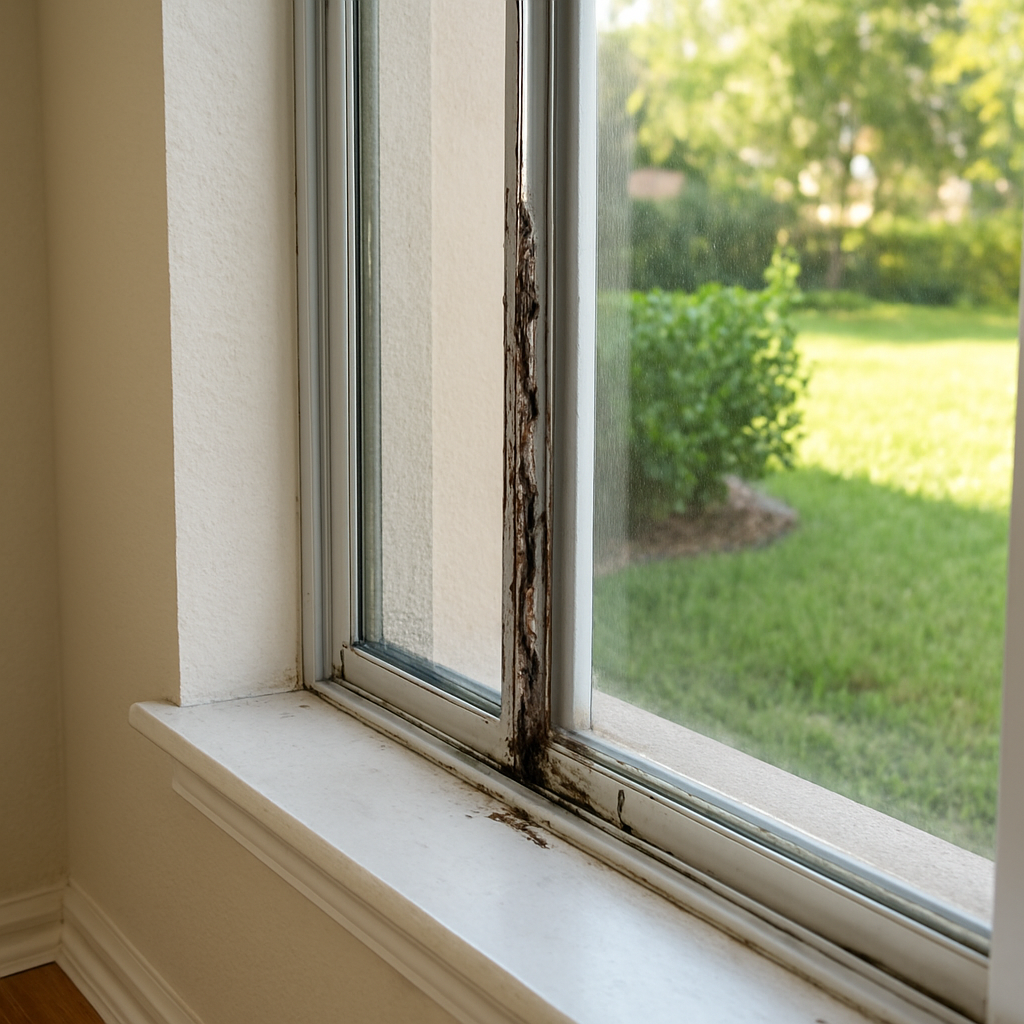
Your sliding glass windows may look perfectly fine, but what if they are quietly increasing your electricity bills, allowing moisture into your home, or making your property less secure? Many Ocala homeowners overlook the early warning signs of window damage because the problems develop gradually. By the time a window becomes difficult to open or starts leaking, the underlying damage may already be extensive.
Florida’s hot summers, frequent thunderstorms, high humidity, and changing temperatures can put considerable stress on residential windows. Even well-maintained sliding windows eventually experience wear in their tracks, seals, frames, and locking mechanisms.
For homeowners searching for sliding glass window repair solutions in Ocala, understanding these hidden problems can prevent unnecessary expenses and protect the comfort of their homes.
The good news is that not every damaged window needs replacing. Many common issues can be corrected through professional window repair, glass replacement, or targeted maintenance.
In this guide, we will explore the warning signs that homeowners frequently miss, explain how damaged windows affect household expenses, and help you determine when to repair your existing windows or consider replacement.
Why Sliding Glass Windows Develop Problems in Ocala Homes
Sliding glass windows are popular in Florida homes because they provide natural light, ventilation, and convenient operation without requiring additional space for outward-opening panels.
Unlike traditional hinged windows, horizontal sliding windows move along tracks. Their operation depends on several components working together, including rollers or sliding guides, weatherstripping, locks, frames, and glass panels.
When one component begins to deteriorate, the entire window can become less efficient.
Florida’s Climate Accelerates Window Wear
Ocala experiences prolonged periods of heat and humidity, along with seasonal heavy rainfall. These conditions can affect sliding glass windows in several ways.
- Heat expansion: Repeated temperature changes can contribute to movement in window frames and surrounding materials.
- Humidity exposure: Persistent moisture can accelerate corrosion in susceptible metal components and encourage mold growth where water accumulates.
- Heavy rainfall: Deteriorated seals and installation defects may allow rainwater to enter around the window.
- Wind-driven debris: Storms can introduce dirt, leaves, and other materials into sliding tracks.
- Sun exposure: Prolonged ultraviolet exposure can contribute to the deterioration of some seals, finishes, and plastic components.
These conditions do not automatically mean your windows will fail. However, they make regular inspections especially important.
Homeowners looking for dependable Ocala windows should pay attention to both the visible glass and the smaller mechanical components responsible for everyday performance.
Why Minor Problems Often Go Unnoticed
Most window damage does not happen overnight.
A sliding window might initially require slightly more pressure to open. A weather seal may develop a small gap. Moisture may appear along the bottom track only during particularly heavy rain.
Because these problems seem minor, homeowners often postpone repairs.
Unfortunately, small defects can gradually contribute to increased energy consumption, water damage, and mechanical wear.
Recognizing the warning signs early gives homeowners more repair options before extensive damage develops.
1. Your Sliding Window Requires More Force to Open or Close
One of the earliest warning signs of sliding glass window damage is resistance during operation.
A properly functioning sliding window should move smoothly along its track without excessive force.
If you find yourself pushing, pulling, or lifting the panel to make it move, something may be wrong.
What Causes Sliding Windows to Stick?
Several mechanical problems can interfere with normal movement:
- Dirt and debris accumulating inside the tracks
- Worn or damaged rollers and sliding guides
- Bent or deteriorated tracks
- Window frame misalignment
- Corrosion affecting metal components
- Damaged or incorrectly positioned weatherstripping
Some problems can be corrected with cleaning or adjustment, while others require replacement parts.
The Hidden Cost of Ignoring Resistance
Continuing to force a damaged sliding window can create additional problems.
Excessive pressure may damage the locking mechanism, worsen track deformation, or place unnecessary stress on the window frame.
A window that no longer closes correctly may also leave small gaps that allow conditioned indoor air to escape.
Instead of forcing the window repeatedly, consider arranging an inspection with a professional window company.
For many sliding glass windows Ocala homeowners use every day, early mechanical repairs can restore smooth operation without requiring complete window replacement.
2. Your Electricity Bills Are Increasing Without an Obvious Reason
An unexpected increase in your electricity bill may be connected to problems you cannot easily see.
While air conditioning equipment, insulation, and household usage patterns all affect energy consumption, poorly sealed windows can also contribute to unnecessary cooling expenses.
How Damaged Windows Waste Energy
Sliding windows depend on properly fitted seals and frames to limit unwanted airflow.
When weatherstripping deteriorates or a window no longer closes tightly, warm outdoor air can enter your home while cooled indoor air escapes.
Your air conditioning system must then work harder to maintain the desired indoor temperature.
Other window-related factors that can influence energy performance include:
- Deteriorated perimeter seals
- Gaps between the sash and frame
- Failed insulated glass units
- Poorly fitted replacement components
- Aging glazing with limited solar heat control
The U.S. Department of Energy explains that window design, glazing technology, and operating characteristics influence a home’s overall energy performance.
For additional information, see the U.S. Department of Energy’s guide to window types and technologies.
Repairing Windows Can Support Energy Savings
Homeowners sometimes assume that improving home energy efficiency requires purchasing entirely new energy-efficient windows.
However, this is not always necessary.
If the existing window frame and glass remain serviceable, replacing damaged weatherstripping, correcting alignment, or repairing closing mechanisms may help reduce unwanted air leakage.
When the glass itself has failed or the existing window performs poorly, more extensive upgrades may be worth considering.
The most cost-effective solution depends on the condition of the window and the source of the energy loss.
3. You Feel Warm Air or Drafts Around Closed Windows
A closed sliding window should help separate your indoor environment from outdoor conditions.
If you notice warm air entering near the window frame, there may be a problem with the sealing system.
Drafts are not always obvious. Sometimes the only indication is that one room feels warmer than the rest of the house.
Common Causes of Air Leakage
Air leakage can occur when:
- Weatherstripping becomes brittle, compressed, or detached
- The sliding sash no longer aligns with the frame
- Installation gaps develop around the window perimeter
- Locking mechanisms fail to pull the window into its proper closed position
- Frame joints or surrounding sealant deteriorate
These problems are particularly relevant during Ocala’s warmer months, when air conditioning systems operate frequently.
A Simple Draft Inspection
On a windy day, close and lock your sliding window.
Carefully move your hand around the interior edges of the frame and note any noticeable airflow.
You can also look for visible gaps or damaged weatherstripping.
However, airflow may be difficult to detect without specialized equipment, and not every temperature difference indicates a window defect.
Professional window contractors can inspect the window’s alignment, seals, and surrounding installation to determine whether repairs are needed.
Addressing these problems may improve indoor comfort and reduce unnecessary cooling losses.
4. Condensation Appears Between the Glass Panes
Not all condensation indicates window damage.
Moisture forming on the room-facing surface of the glass can occur when indoor humidity and glass temperature create suitable conditions. Exterior condensation can also appear under certain weather conditions.
However, persistent fogging or moisture trapped between the panes of an insulated glass unit is a different issue.
Why Moisture Between Panes Matters
Many modern residential windows contain two panes of glass separated by a sealed space.
This construction helps improve thermal performance.
When the edge seal fails, moisture can enter the space between the panes.
You may notice:
- Persistent fogging that cannot be wiped away
- Water droplets trapped inside the glass unit
- Cloudy patches that change with temperature
- Mineral deposits or staining between panes
- Reduced visibility through the window
These symptoms often indicate that the insulated glass unit has lost its original seal integrity.
Can Foggy Sliding Windows Be Repaired?
In some cases, the insulated glass unit can be replaced while retaining the existing window frame.
This can be more economical than replacing the entire window assembly, provided the frame is structurally sound and compatible replacement glass is available.
Homeowners considering glass replacement should have the window inspected before making a decision.
A qualified technician can determine whether the problem involves the glass unit, the surrounding frame, or another component.
5. Water Collects Along the Window Track After Rain
Water appearing inside a sliding window track after heavy rainfall deserves attention.
Many sliding window systems include drainage channels and weep holes designed to direct incidental water back outside.
However, blocked drainage openings or damaged components can prevent water from escaping properly.
Signs of Drainage Problems
Watch for the following symptoms:
- Water remaining in the track long after rainfall
- Moisture appearing on interior windowsills
- Water stains beneath the window
- Damp drywall or peeling paint
- Musty odors near the frame
- Mold growth around surrounding surfaces
A small amount of water in a designed exterior drainage channel does not necessarily indicate failure.
Water entering the interior living space, however, should be investigated.
Why Water Intrusion Can Become Expensive
Persistent moisture can damage paint, drywall, trim, flooring, and surrounding building materials.
It may also encourage mold growth and accelerate corrosion in susceptible window components.
Homeowners should avoid assuming that additional caulk will solve every leak.
Incorrectly applied sealant can block drainage openings and make the problem worse.
Professional window services can help identify whether the issue involves clogged weep holes, damaged seals, poor installation, or deterioration around the window opening.
6. Your Window Lock No Longer Works Properly
A sliding glass window that does not lock securely is more than an inconvenience.
Window locks help keep the sliding sash in its intended closed position and contribute to household security.
When a locking mechanism becomes loose, misaligned, or damaged, the window may not close as intended.
Warning Signs of Lock Damage
Common symptoms include:
- A latch that does not engage completely
- Loose or missing mounting screws
- A lock that requires excessive force
- A sliding panel that shifts after locking
- Visible gaps between the sash and frame
- Broken or corroded locking components
In some cases, the lock itself is functioning correctly, but the window has shifted out of alignment.
Replacing the lock without addressing the underlying alignment problem may not provide a lasting solution.
Why Professional Assessment Matters
A technician can inspect the relationship between the lock, sash, and frame to identify the actual problem.
Repairs may involve adjustment, replacement hardware, or correction of worn sliding components.
If you are researching sliding glass windows Ocala repair specialists, prioritize companies that examine the entire operating system rather than treating every lock problem as an isolated hardware failure.
7. Small Cracks or Chips Are Developing in the Glass
Minor glass damage is easy to dismiss, especially when a crack appears near the edge of a window or does not obstruct the view.
However, even small defects can compromise the glass and may worsen under stress.
What Causes Glass Damage?
Possible causes include:
- Accidental impacts
- Windblown debris
- Thermal stress
- Movement or distortion in the frame
- Improper glass installation
- Pressure concentrated along damaged edges
A crack that initially appears insignificant may extend across the pane.
Damaged glass can also present a safety concern, particularly in frequently used areas of the home.
When Glass Replacement Is Necessary
Cracked window glass generally requires professional assessment and often replacement of the affected pane or glass unit.
The appropriate solution depends on the type of glazing, the location of the window, and applicable safety requirements.
Certain locations require safety glazing, and replacement glass must meet relevant building requirements.
Avoid applying excessive pressure to cracked glass or attempting to remove large damaged panes without proper equipment.
Professional glass replacement can restore the window’s safety and appearance while potentially preserving the existing frame.
8. Your Window Makes Grinding, Scraping, or Rattling Noises
Sliding windows should not produce persistent grinding or scraping sounds during normal operation.
Unusual noises often indicate that moving components are no longer working as intended.
What Different Sounds May Indicate
Grinding: Debris, worn rollers, or damaged sliding components may be creating friction.
Scraping: The sash may be rubbing against the frame or a damaged section of the track.
Rattling: Loose components, deteriorated seals, or excessive movement within the frame may be responsible.
Clicking or catching: The locking hardware or sash alignment may need attention.
These sounds are not definitive diagnoses, but they provide useful clues.
Why Delaying Repairs Can Increase Costs
Mechanical wear often becomes worse when a window continues operating under excessive friction.
A minor alignment problem may eventually damage additional components.
For homeowners planning affordable window maintenance, correcting these issues early can be a practical way to avoid more extensive repairs.
Regular track cleaning and professional adjustment can help preserve smooth operation.
9. Your Window Frame Shows Corrosion, Separation, or Distortion
The glass is only one part of a sliding window.
The frame supports the window, maintains alignment, and helps manage air and water infiltration.
Damage to the frame can affect several functions at once.
Signs of Frame Deterioration
Inspect your window for:
- Corrosion on metal components
- Cracks in vinyl or fiberglass sections
- Separation at frame joints
- Uneven gaps around the sliding sash
- Visible bending or distortion
- Loose or damaged attachment points
- Persistent water staining around the opening
Aluminum, vinyl, and fiberglass frames can experience different types of deterioration.
The appropriate repair method depends on the material and the extent of damage.
When Frame Damage Becomes Serious
Minor hardware problems and some localized defects may be repairable.
However, significant structural distortion, extensive deterioration, or movement affecting the window opening may require a more comprehensive solution.
A professional inspection can distinguish between a damaged window component and a larger issue involving the surrounding structure.
This distinction is especially important during home renovation projects, when existing window defects may become more visible.
10. Your Home Feels Noisier Than It Used To
A sudden increase in outdoor noise may indicate that your windows are no longer sealing as effectively as before.
Sliding windows can transmit sound through both the glass and gaps around the frame.
When weatherstripping deteriorates, or the sash no longer closes properly, exterior noise may become more noticeable.
What to Listen For
Pay attention to changes in:
- Traffic noise
- Lawn equipment sounds
- Outdoor conversations
- Wind whistling around the frame
- Rattling during thunderstorms
These changes do not always indicate serious window damage.
However, when increased noise occurs alongside drafts, loose hardware, or visible gaps, it may suggest deteriorating window performance.
Can Repairs Reduce Noise?
Correcting alignment problems and replacing damaged seals may help reduce noise entering through gaps.
However, improving the seals will not necessarily deliver the same sound reduction as specialized acoustic glazing.
Homeowners should identify the source of the noise before investing in major window upgrades.
The Hidden Financial Costs of Damaged Sliding Glass Windows
A damaged sliding window can affect more than its own repair bill.
When small problems remain unresolved, they may contribute to additional household expenses.
Higher Cooling Expenses
Air leaks and poor thermal performance can increase the amount of cooling required to maintain comfortable indoor temperatures.
Although the exact financial impact varies by home, reducing unnecessary air infiltration can support energy savings.
Water Damage Repairs
A leaking window can damage nearby building materials.
Repairing stained drywall or deteriorated trim may cost considerably more than correcting an early sealing or drainage problem.
Additional Hardware Damage
A worn sliding guide or misaligned sash can place extra stress on tracks, locks, and other moving components.
Addressing the original defect promptly may prevent secondary damage.
Reduced Comfort and Convenience
A window that sticks, rattles, leaks, or refuses to lock properly can make everyday life frustrating.
Poorly functioning windows may also discourage homeowners from using natural ventilation when outdoor conditions are suitable.
Premature Window Replacement
Perhaps the most avoidable expense is replacing an entire window when a targeted repair would have restored proper operation.
Not every damaged window is repairable, but accurate diagnosis helps homeowners avoid paying for work they do not need.
Sliding Window Repair vs. Replacement: Which Makes More Sense?
When researching replacement windows Ocala options, homeowners should first determine whether their existing windows can be repaired economically.
The answer depends on the condition of the glass, frame, hardware, and surrounding installation.
When Repair Is Usually Worth Considering
Repair may be appropriate when:
- The frame remains structurally sound
- Sliding components are worn but replaceable
- The locking mechanism needs adjustment or replacement
- Weatherstripping has deteriorated
- The glass can be replaced independently
- Tracks need cleaning, adjustment, or localized repair
- The problem is limited to specific serviceable components
Professional repairs can often extend the useful life of existing windows without the expense of full replacement.
When Replacement May Be the Better Option
Complete window replacement may be worth considering when:
- The frame is extensively damaged or distorted
- Multiple components have failed
- Compatible replacement parts are unavailable
- Water damage affects the surrounding installation
- The window no longer meets the homeowner’s performance needs
- Repair costs approach the cost of a suitable replacement
- A major renovation calls for a different window configuration
Energy-efficient windows with modern glazing can offer improved thermal performance compared with some older products.
However, potential energy savings should be evaluated alongside purchase costs, installation expenses, and the condition of the existing windows.
Do Not Replace a Window Without Understanding the Problem
A reputable window company should explain what is damaged, which components can be repaired, and whether replacement is genuinely necessary.
Homeowners may also encounter recommendations for custom windows, impact-resistant windows, or different window styles.
These options can be appropriate for particular projects, but they should not automatically replace a straightforward repair solution.
Impact-resistant glazing, for example, should be evaluated according to the product’s tested performance, approvals, and applicable local building requirements. Ordinary glass replacement does not automatically make an existing window impact-resistant.
The best decision is based on the window’s condition, the homeowner’s goals, and the total cost of the proposed work.
How to Inspect Your Sliding Glass Windows at Home
A basic visual inspection can help homeowners identify problems before they become more serious.
You do not need specialized equipment to notice many common warning signs.
Step 1: Test the Sliding Operation
Unlock the window and move it gently along its track.
Check whether it slides smoothly or catches at specific points.
Do not force a window that appears jammed.
Step 2: Examine the Tracks
Look for accumulated dirt, leaves, damaged components, or signs of corrosion.
Remove loose debris using a soft brush or vacuum attachment.
Avoid using sharp tools that could damage the track.
Step 3: Inspect the Weatherstripping
Look for cracked, missing, loose, or compressed seals.
Pay particular attention to areas where the sliding sash meets the frame.
Step 4: Check the Glass
Inspect the glass for cracks, chips, fogging, or moisture trapped between panes.
If the glass is damaged, avoid putting pressure on the affected area.
Step 5: Test the Lock
Close the window gently and check whether the lock engages normally.
A loose or misaligned lock should be assessed before it becomes a security concern.
Step 6: Look for Water Damage
Examine nearby walls, trim, and windowsills for discoloration, peeling paint, or moisture.
Check drainage openings without blocking or modifying them.
Step 7: Record Any Problems
Take photographs of visible damage and note when symptoms occur.
For example, a leak that appears only during wind-driven rain may provide useful information during a professional inspection.
Homeowners should avoid removing heavy glass panels, dismantling unfamiliar hardware, or working on elevated windows without appropriate safety precautions.
Preventive Maintenance Tips for Ocala Homeowners
Routine maintenance can help reduce unnecessary wear and extend the service life of sliding windows.
Although maintenance cannot prevent every type of failure, it can make developing problems easier to detect.
Clean Window Tracks Regularly
Dirt and debris can interfere with smooth sliding operation.
Use a soft brush or vacuum to remove loose material, then clean accessible surfaces according to the manufacturer’s instructions.
Avoid harsh chemicals that could damage finishes or seals.
Keep Drainage Openings Clear
Inspect visible weep holes and drainage channels for debris.
These openings are designed to help manage water, so they should not be sealed shut.
Inspect Seals and Weatherstripping
Check for deterioration periodically, particularly before and after Florida’s wetter months.
Replace damaged materials with compatible components when appropriate.
Avoid Forcing Sticking Windows
If a window becomes difficult to move, investigate the cause instead of applying additional pressure.
Forcing the sash can damage tracks, locks, and other components.
Use Appropriate Lubrication
Some sliding systems require specific lubricants, while others should not be lubricated in the same way.
Follow the manufacturer’s recommendations rather than applying general-purpose oils indiscriminately.
Schedule Professional Service When Needed
If your window continues sticking, leaking, or failing to lock after basic cleaning, professional window services can identify problems that are not obvious during a visual inspection.
Regular maintenance is especially valuable for older Ocala windows that have experienced years of exposure to Florida weather.
Why Choosing a Local Window Repair Specialist Matters
When sliding glass windows develop problems, working with an experienced local specialist can simplify the repair process.
A technician familiar with Florida homes may recognize common issues associated with heat, humidity, heavy rainfall, and aging window components.
Local Experience Helps With Accurate Diagnosis
Different window styles and frame materials require different repair methods.
An experienced technician can assess the complete window assembly rather than focusing only on the most visible symptom.
For example, a difficult-to-operate window may need track service rather than a new lock.
Similarly, a cloudy insulated glass unit may be replaceable without removing the entire frame.
Repair-First Recommendations Can Save Money
Not every window company specializes in preserving existing windows.
Some businesses primarily focus on selling and installing new products.
For homeowners seeking affordable window solutions, a repair-focused specialist can help determine whether targeted maintenance or component replacement is sufficient.
Understanding Local Building Requirements
When replacement or significant alterations are necessary, homeowners should confirm that the proposed work complies with applicable Florida building requirements.
This is particularly important when considering safety glazing, impact-resistant windows, or changes to window openings.
Qualified local contractors Ocala homeowners hire should be able to explain the scope of their work and identify when additional permitting or specialized services may be required.
How R C Windows & Doors Helps Ocala Homeowners
R C Windows & Doors is a family-owned window and door repair business serving Ocala and surrounding Marion County communities.
The company focuses on repairing existing windows and doors whenever practical, helping homeowners avoid unnecessary replacement expenses.
Its services include window repair, glass replacement, window lock repair, track replacement, and other window and door maintenance solutions.
Experienced Window Repair Services
R C Windows & Doors works with aluminum, vinyl, and fiberglass windows and focuses on identifying the underlying cause of operating problems.
Whether your window is sticking, failing to lock, or showing signs of damaged glass, the goal is to determine which components need attention.
The company also specializes in sliding glass door repair, including rollers, tracks, locks, and handles.
Practical Solutions Instead of Unnecessary Upgrades
Homeowners researching home upgrades in Ocala may assume that new windows are the only way to improve their property’s comfort and appearance.
However, existing windows can sometimes be restored through repairs and component replacement.
R C Windows & Doors emphasizes evaluating the condition of existing windows before recommending more extensive work.
This approach can be particularly useful for homeowners who want to maintain their current window design while addressing mechanical or glass-related problems.
Serving Ocala and Nearby Communities
R C Windows & Doors serves Ocala and surrounding areas, including Silver Springs, Silver Springs Shores, Marion Oaks, Belleview, Summerfield, Lady Lake, and The Villages.
If your sliding windows are becoming difficult to operate or showing signs of damage, professional assessment can help you understand the available repair options.
Frequently Asked Questions About Sliding Glass Windows in Ocala
How Long Do Sliding Glass Windows Typically Last?
The service life of a sliding glass window depends on its materials, installation quality, exposure, usage, and maintenance.
Some windows remain functional for decades, while others develop mechanical or sealing problems much earlier.
Regular cleaning, timely repairs, and replacement of worn components can help extend their useful life.
Can Sliding Glass Windows Be Repaired Without Replacing the Entire Window?
Yes. Many sliding glass windows Ocala homeowners have can be repaired by replacing worn hardware, correcting alignment, servicing tracks, or replacing damaged glass.
However, the feasibility of repair depends on the condition of the frame and the availability of compatible parts.
Why Is My Sliding Window Difficult to Open?
Common causes include dirt accumulation, worn sliding guides, damaged tracks, misalignment, and deteriorated hardware.
A professional inspection can determine whether cleaning, adjustment, or replacement parts are necessary.
Do Damaged Sliding Windows Increase Electricity Bills?
They can. Damaged weatherstripping, gaps around the frame, and poorly performing glazing may increase heat gain or unwanted air leakage.
However, electricity bills are influenced by many factors, so window damage should be evaluated as part of the home’s overall energy performance.
Can You Replace Only the Glass in a Sliding Window?
In many cases, yes.
Glass replacement may be possible when the frame remains sound, and the correct replacement glass or insulated glass unit is available.
A technician should confirm the glazing specifications and applicable safety requirements.
Are Energy-Efficient Windows Worth the Investment?
Energy-efficient windows can improve comfort and reduce heating or cooling demand in suitable circumstances.
The financial value depends on the performance of the existing windows, local climate, installation quality, energy costs, and the price of the upgrade.
For windows with isolated mechanical problems, repairs may be the more economical first step.
How Often Should Sliding Glass Windows Be Inspected?
Homeowners should check sliding operation, locks, tracks, and visible seals periodically.
A more thorough inspection before the rainy season and after significant storms can help identify developing problems.
Windows showing active leaks, cracked glass, or security issues should be assessed promptly.
Should I Hire a Professional for Sliding Window Repairs?
Professional service is recommended when problems involve damaged glass, persistent leaks, frame distortion, malfunctioning locks, or components that require panel removal.
Basic cleaning may be suitable for homeowners, but more complex repairs require appropriate tools and experience.
Conclusion: Small Window Problems Can Lead to Bigger Expenses
Your sliding glass windows do not have to be visibly broken to cost you money.
Sticking tracks, deteriorated seals, loose locks, moisture between panes, and minor water leaks can all indicate developing problems that affect comfort, safety, and household expenses.
For Ocala homeowners, recognizing these warning signs early is one of the simplest ways to protect their investment.
The most important step is identifying the actual cause of the damage before deciding whether to repair or replace the window.
Many common problems can be corrected through targeted repairs, helping homeowners extend the life of their existing windows while avoiding unnecessary replacement costs.
If you have noticed drafts, sticking panels, damaged glass, or malfunctioning locks, R C Windows & Doors can help evaluate your window repair needs.
Contact R C Windows & Doors at 352-620-1111 to discuss your concerns and schedule an appointment for window repair or glass replacement in Ocala and surrounding communities.
Do not wait until a small window problem becomes an expensive home repair. Addressing hidden damage early can help keep your home comfortable, secure, and functioning properly.