

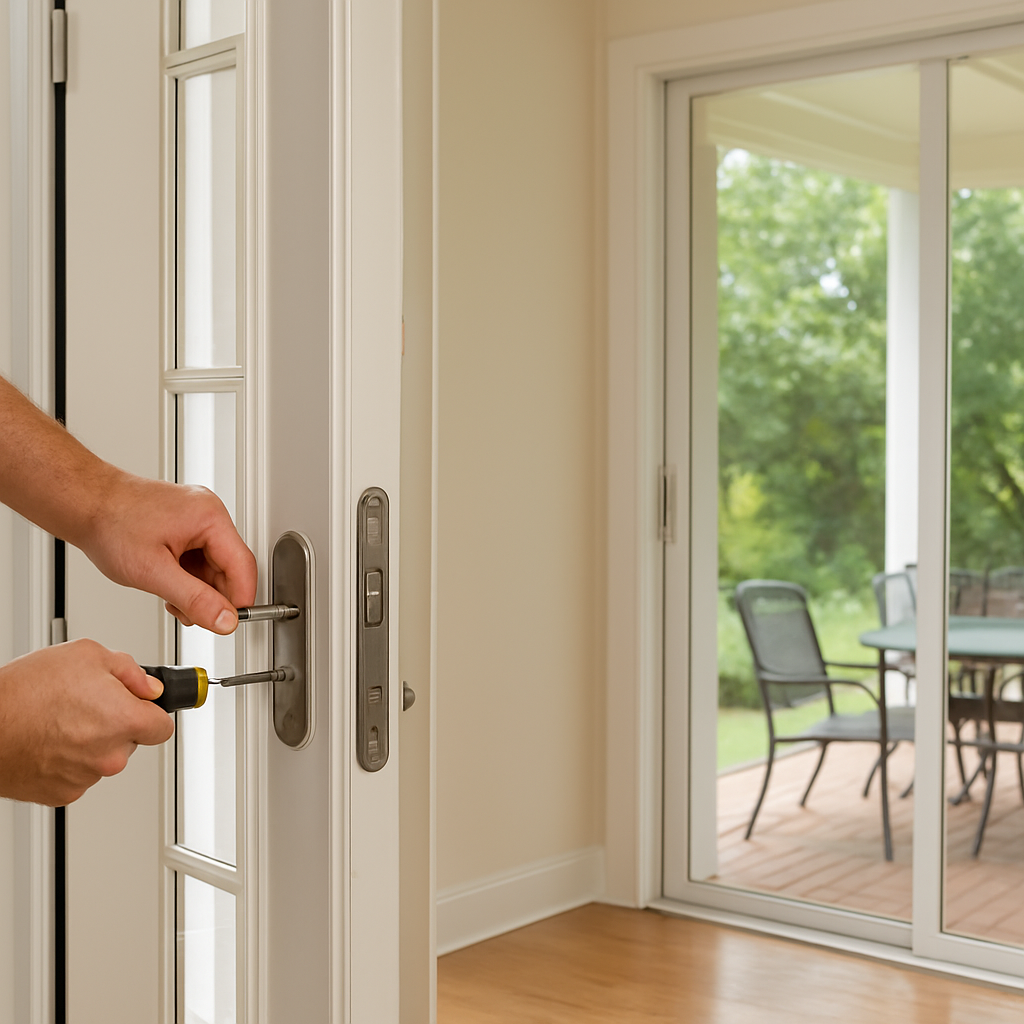
Doors do more than provide access to your home. They protect your family, maintain privacy, improve energy efficiency, and contribute to your property’s appearance. When a door starts sticking, squeaking, dragging across the floor, or refusing to lock, even a small problem can quickly become frustrating. For homeowners in Ocala, Florida, timely door repair can help restore security, improve everyday convenience, and prevent minor damage from becoming a more extensive project.
Whether you need front door repair, interior door repair, sliding door repair, or patio door repair, understanding the problem is the first step toward finding the right solution. Some issues require only a hardware adjustment, while others involve damaged frames, worn rollers, broken glass, or moisture-related deterioration.
This guide explains common residential door problems, practical repair options, and situations where professional service is the safest choice. It also covers the different door materials and styles found in Ocala homes, helping you make informed decisions about maintaining your doors.
Why Timely Door Repair Matters for Ocala Homeowners
Florida’s warm temperatures, humidity, heavy rainfall, and occasional severe storms can put additional stress on residential doors. Exterior doors are exposed to changing weather conditions, while sliding patio doors and screen doors experience regular use and exposure to outdoor moisture.
Over time, these conditions can contribute to swollen wood, corroded hardware, deteriorating seals, loose hinges, and difficulty opening or closing doors.
Ignoring these warning signs may lead to several problems:
- Reduced security: A damaged lock, loose strike plate, or misaligned entry door can make your home less secure.
- Higher energy consumption: Gaps around exterior doors can allow conditioned air to escape and outdoor air to enter.
- Water intrusion: Damaged seals, thresholds, or frames can allow rainwater to enter your home.
- More extensive damage: A small hardware issue can eventually damage the door, frame, or surrounding wall.
- Everyday inconvenience: A door that sticks, squeaks, or refuses to latch can become a constant source of frustration.
The U.S. Department of Energy explains that weatherstripping and caulking can help reduce unwanted air leakage around doors and other building components. Homeowners can learn more in its guide to insulation and air sealing.
Addressing problems early can help preserve your existing doors and prevent avoidable damage.
Common Door Problems and How They Are Fixed
Before scheduling door repair service, it helps to recognize the symptoms and understand what might be causing them. A qualified technician can inspect the door, identify the underlying issue, and recommend a repair that addresses the actual cause rather than just the visible symptom.
1. Doors That Stick or Drag Against the Floor
A sticking door may become difficult to open or close, particularly when the weather changes. You might notice that the door rubs against the floor, catches along the frame, or requires extra force to latch.
Common causes include loose hinges, a sagging door, frame movement, swollen wood, or an improperly aligned strike plate.
Possible fixes include:
- Tightening loose hinge screws.
- Adjusting the hinges to restore alignment.
- Realigning the strike plate and latch.
- Correcting minor frame alignment issues.
- Trimming a wooden door when appropriate and necessary.
For wooden doors, moisture-related swelling may be responsible for the problem. Sanding or trimming the door immediately may not be the best solution because the door could return to its original dimensions when conditions change.
Professional residential door repair can help determine whether the issue involves the door itself, the hardware, or the frame.
2. Squeaky Hinges and Loose Hardware
A squeaky hinge can make an otherwise functional door annoying to use. The noise typically comes from friction between hinge components, dirt buildup, corrosion, or insufficient lubrication.
If you are wondering how to fix a squeaky door hinge, start by checking whether the hinge is loose or visibly damaged.
For a minor problem:
- Open and close the door slowly to identify the noisy hinge.
- Inspect the hinge and screws for visible damage.
- Tighten loose screws without overtightening them.
- Apply a suitable lubricant to the hinge pivot, following the product instructions.
- Move the door back and forth to distribute the lubricant.
Avoid using excessive lubricant, which can attract dirt or leave marks on nearby surfaces.
If the squeaking continues, the hinge may be bent, worn, corroded, or carrying uneven weight. Replacing the damaged hinge or correcting the door’s alignment may be necessary.
Fixing a broken hinge on a door requires additional attention. A cracked hinge, stripped screw holes, or a hinge pulling away from the frame can compromise the door’s support. Heavy exterior doors should be supported before hardware is removed or replaced.
3. Doors That Will Not Latch or Lock Properly
A door that will not latch can create security concerns, particularly when it affects your main entry door.
Possible causes include a misaligned strike plate, loose hinges, a damaged latch, a worn lock mechanism, or movement in the door frame.
A technician may correct the alignment, replace worn hardware, repair stripped screw holes, or install a compatible latch or lock.
If the door only locks when you lift, push, or pull it into position, the underlying problem may be sagging rather than a defective lock.
Front door repair should address both the locking mechanism and the door’s alignment to ensure the finished repair works reliably.
4. Cracked, Split, or Damaged Door Panels
Impact damage, age, moisture, and repeated use can cause doors to crack or split.
The appropriate repair depends on the door’s construction. A small crack in a solid wooden door may be repairable with suitable filler, adhesive, sanding, and refinishing. A hollow-core interior door may require a different repair approach, while a severely damaged exterior door may need professional assessment to determine whether its structural integrity can be restored.
If the damage affects the lock area, hinges, or the portion of the door responsible for security, do not rely on cosmetic filler alone.
Broken door repair should restore the door’s function and strength, not merely hide the visible damage.
Front Door Repair: Security, Alignment, and Weather Protection
Your front door is one of the most important components of your home’s security and curb appeal. A properly functioning entry door should open smoothly, close securely, latch correctly, and seal against the weather.
When problems develop, front door repair can often restore performance without replacing the entire door.
Common Front Door Problems
Homeowners frequently encounter:
- Loose or damaged hinges.
- Difficulty turning the lock or operating the handle.
- Gaps around the door frame.
- Worn weatherstripping.
- A damaged threshold or door sweep.
- Cracked panels or deteriorating finishes.
- Misalignment following repeated use or frame movement.
A technician may adjust the hinges, repair the frame, replace damaged hardware, install new weatherstripping, or correct the threshold alignment.
Wooden Front Door Repair
Wooden front doors can provide a classic appearance, but they require appropriate maintenance to withstand moisture and changing weather conditions.
Peeling paint, soft spots, swelling, and cracks may indicate moisture exposure. Minor surface damage can sometimes be repaired through sanding, filling, sealing, and refinishing.
However, extensive rot near the bottom of the door or around the frame may require more substantial work.
If you want wooden front doors repaired, ask the technician to determine whether the damage is limited to the finish or extends into the wood itself. This distinction helps prevent repeated repairs that fail to address the source of the problem.
Entry Door Repair and Storm Door Repair
Entry door repair may involve the main door, lockset, hinges, frame, threshold, or weather seals.
Storm doors can develop separate issues, including damaged closers, loose handles, bent frames, broken screens, and misaligned latches.
A damaged storm door closer may cause the door to slam or fail to close completely. Replacing or adjusting the closer can often restore smooth operation.
For exterior doors exposed to rain and humidity, maintaining the seals and ensuring proper drainage around the frame are especially important.
Interior Door Repair: Bedrooms, Bathrooms, and Hallways
Interior doors help maintain privacy, reduce noise, and separate living spaces. Although they are generally less exposed to weather than exterior doors, they can still develop mechanical and structural problems.
Interior door repair is often less complicated than exterior door work, but the correct solution depends on the door’s construction and the extent of the damage.
Bedroom and Bathroom Doors
Common problems include squeaky hinges, loose handles, broken latches, misaligned doors, and doors that drag against the floor.
Loose screws or a misaligned latch may be corrected with basic adjustments. Damaged handles, hinges, or privacy locks can often be replaced with compatible hardware.
Bathroom doors may also experience finish deterioration from repeated exposure to moisture. Proper ventilation and prompt attention to swelling can help prevent further damage.
Closet Door Repair
Closet doors come in several styles, including bifold, sliding, and hinged designs. Each style has its own hardware and repair requirements.
Bifold doors may come off their tracks, develop loose pivots, or fail to fold correctly. Sliding closet doors may jump off their tracks or become difficult to move because of worn rollers and debris.
Hinged closet doors may sag or rub against the frame because of loose hinges.
Closet door repair may involve replacing pivots, adjusting guides, cleaning tracks, installing new rollers, or correcting hinge alignment.
French Door Repair
French doors typically feature two hinged panels, often with glass inserts. They can develop alignment issues, loose hinges, faulty latches, or problems with the hardware that secures the inactive panel.
When one panel sags, the doors may no longer meet evenly in the middle. The correct repair may involve hinge adjustments, replacement hardware, or corrections to the frame.
If the doors include cracked glass, the repair must also account for the type of glazing and the door’s construction.
Patio Door Repair: Sliding Glass Doors, Rollers, and Tracks
Sliding glass doors provide convenient access to patios, lanais, and outdoor living areas. However, they can become difficult to operate when their rollers wear out, or their tracks accumulate dirt and debris.
Patio door repair is particularly useful when the glass and frame remain in good condition, but the door no longer slides smoothly.
Why Sliding Patio Doors Become Difficult to Open
Common causes include:
- Dirt and debris in the track.
- Worn or damaged rollers.
- Misaligned sliding panels.
- Bent or damaged tracks.
- Faulty locks or handles.
- Damaged weatherstripping.
- Frame movement or water intrusion.
A basic cleaning may resolve minor track-related friction. Persistent resistance, however, may indicate worn rollers or alignment problems.
A technician can inspect the rollers, adjust the panel height where the design allows, replace damaged components, and determine whether the track needs repair.
Sliding Glass Door Lock Repair
A sliding glass door that will not lock properly can leave an accessible point of entry insufficiently secured.
The problem may involve a misaligned panel, worn latch, damaged handle, or defective locking mechanism.
Rather than forcing the lock, arrange an inspection to determine whether the hardware needs adjustment or replacement.
Patio Door Repair for Leaks and Drafts
If you notice water near the bottom of a sliding door or feel air entering around its edges, inspect the weatherstripping, frame, threshold, and drainage paths.
Replacing damaged seals may resolve minor air leakage. Water intrusion can be more complicated because the cause may involve clogged drainage channels, failed perimeter sealant, or installation problems.
A complete inspection is important before applying new caulk. Blocking drainage openings can make water-related problems worse.
Screen Door Repair
Screen doors allow ventilation while helping keep insects outside. Their rollers, tracks, handles, mesh, and frames can wear out over time.
Screen door repair may include:
- Replacing torn mesh.
- Repairing or replacing rollers.
- Adjusting the door within its track.
- Replacing damaged handles or latches.
- Repairing loose or bent frame components.
For a screen door that repeatedly comes off its track, replacing the rollers without correcting the underlying alignment problem may not provide a lasting solution.
Door Repair by Material: Wood, Metal, Aluminum, Steel, and Vinyl
The material used to construct a door affects the type of damage it can sustain and the repairs that are practical.
Wood Door Repair
Wood doors can be affected by moisture, cracks, loose joints, damaged finishes, and deteriorating hardware.
Depending on the damage, wood door repair may include filling cracks, reinforcing joints, replacing hardware, correcting alignment, or refinishing the surface.
Extensive rot or structural splitting may require more involved repairs.
Metal Door Repair
Metal door repair may involve dented panels, loose hardware, damaged hinges, corrosion, or alignment issues.
Surface dents may sometimes be repaired, depending on their depth and location. Corrosion should be assessed to determine whether it is superficial or has weakened the door.
If the frame or hinge attachment points are severely damaged, the repair may require more than cosmetic work.
Aluminum Door Repair
Aluminum doors are commonly used in patio and screen-door systems because of their relatively lightweight construction.
Typical problems include bent frames, worn rollers, loose handles, damaged tracks, and malfunctioning locks.
A technician may be able to restore operation by adjusting the frame or replacing the affected hardware. Severely bent components may be difficult to repair without affecting alignment.
Steel Door Repair
Steel doors are often selected for their strength and security. However, dents, corrosion, damaged hinges, and lock problems can still develop.
Steel door repair may involve treating surface rust, refinishing damaged areas, replacing hardware, or correcting alignment.
Where corrosion has compromised the door’s structure or security, a professional should determine whether a durable repair is feasible.
Vinyl Door Repair
Vinyl doors and patio door systems can experience worn rollers, damaged weather seals, broken locks, and alignment issues.
Repairs generally focus on compatible hardware and components designed for the specific door system. Cracked or distorted vinyl sections may require specialized assessment because not all damage can be repaired effectively with fillers or adhesives.
Glass Door Repair: Cracked Panes, Seals, and Hardware
Glass doors are popular in patios and other areas where natural light and outdoor views are desirable. However, broken glass and damaged framing require careful handling.
Glass door repair may involve replacing damaged glazing, repairing locks and handles, adjusting sliding panels, or addressing failed seals.
If a glass panel is cracked, keep people away from the affected area and avoid operating the door. Damaged glass can break further during movement.
The replacement glass must be appropriate for the door’s design and safety requirements. Tempered or laminated safety glazing may be required depending on the application and applicable codes.
If you notice fogging between insulated glass panes, the insulated glazing seal may have failed. The appropriate repair depends on the glass assembly and whether compatible replacement glazing is available.
A qualified professional can determine whether the problem is limited to the glass unit or also affects the frame and operating hardware.
Automatic Door Repair and Garage Door Repair
Some homeowners need assistance with powered doors rather than conventional hinged or sliding doors.
Automatic Door Repair
Automatic door systems can experience sensor problems, electrical faults, worn mechanical components, or issues with their opening and closing mechanisms.
Automatic door repair should begin with a proper assessment of the system and its safety features. Do not bypass sensors or attempt electrical repairs without the necessary training.
If an automatic door closes unexpectedly, fails to detect an obstruction, or behaves unpredictably, stop using it when safe to do so and arrange professional service.
Garage Door Repair
Garage doors use different mechanisms from ordinary residential entry doors. They may have problems involving tracks, rollers, springs, cables, openers, sensors, or panels.
A malfunctioning opener may sometimes require adjustment or replacement of a component. However, damaged springs and cables can be extremely dangerous because they operate under significant tension.
Never attempt to remove or adjust garage door torsion springs or lift cables yourself. Garage door repair involving these components should be handled by a qualified technician.
The U.S. Consumer Product Safety Commission provides information about automatic residential garage door operators, including the applicable federal safety standard.
Although garage door repair is a separate specialty from ordinary door repair, understanding the distinction helps homeowners request the appropriate service.
When Should You Call a Professional Door Repair Service?
Some minor door problems can be addressed with basic maintenance. Others need professional attention to protect your home and avoid causing additional damage.
Consider scheduling a professional inspection when:
- Your front door will not lock securely.
- A heavy door is sagging or pulling away from its hinges.
- A patio door repeatedly comes off its track.
- The frame shows signs of rot or significant water damage.
- Glass is cracked or broken.
- A door will not close despite basic adjustments.
- You notice persistent water intrusion around an exterior door.
- Automatic door or garage door safety mechanisms are malfunctioning.
If you are searching online for door repair near me, look for a service provider that works with your specific door type and can explain the recommended repair before starting the work.
Ask whether the recommended work includes the necessary parts, whether additional repairs may be required, and whether the work comes with a workmanship or parts warranty.
For urgent security problems, a broken lock or damaged entry door should be treated as a priority. Same day door repair may be an option, but availability should be confirmed directly with the service provider.
Can You Repair a Door Yourself?
Some minor maintenance tasks are suitable for homeowners, provided the door is safe to handle and the repair does not involve hazardous components.
You may be able to:
- Tighten accessible hinge screws.
- Lubricate a squeaky hinge with an appropriate product.
- Clean dirt and debris from a sliding-door track.
- Replace simple weatherstripping when the correct product is available.
- Inspect visible hardware for looseness or damage.
However, DIY work has limitations. Repeatedly tightening loose screws may not solve damaged screw holes. Forcing a misaligned door can damage the latch or frame. Removing a heavy glass panel without the right equipment can cause serious injury.
Leave structural repairs, broken glass, damaged security hardware, and tension-loaded garage door components to appropriately qualified professionals.
A reliable repair should solve the root cause rather than provide a temporary improvement that fails again after a few weeks.
How to Prevent Future Door Problems
Regular inspection and simple maintenance can help extend the life of residential doors and reduce the likelihood of unexpected repairs.
Inspect Hinges and Hardware
Check for loose screws, unusual movement, corrosion, and squeaking. Addressing small problems early may prevent additional stress on the door and frame.
Keep Sliding Door Tracks Clean
Remove loose dirt and debris from patio and closet door tracks. Use cleaning products suitable for the specific materials, and avoid lubricants that may attract more dirt or conflict with the manufacturer’s recommendations.
Maintain Weatherstripping and Seals
Look for cracked, compressed, or missing seals around exterior doors. Damaged weatherstripping can allow unwanted air and moisture to pass through gaps.
Check for Water Damage
Inspect the bottom of exterior doors, thresholds, and nearby frames for discoloration, swelling, peeling finishes, or soft wood. Persistent moisture should be investigated before it causes more extensive damage.
Test Locks and Latches
Check that entry doors lock smoothly without requiring excessive pressure. If the latch no longer lines up with the strike plate, arrange an adjustment rather than repeatedly forcing the lock.
Address Problems Promptly
A sticking door, worn roller, or loose hinge may seem minor, but continued use can increase the strain on other components.
Routine maintenance and timely door repair can help keep your home’s doors operating smoothly throughout the year.
Choosing the Right Door Repair Service in Ocala
Not every contractor specializes in every type of door. Before scheduling service, confirm that the provider has experience with your particular door system and the problem you are experiencing.
Here are several things to consider:
Experience with your door type: Ask whether the provider handles front doors, interior doors, sliding glass doors, screen doors, and the specific material involved.
Clear explanations: Request a breakdown of the recommended work, including the parts that need attention and any additional repairs that may be necessary.
Repair-first recommendations: A dependable technician should explain whether the existing door can be repaired effectively before recommending a replacement.
Parts availability: Specialty rollers, locks, glass units, and older hardware may affect scheduling.
Safety and workmanship: Confirm that the proposed repair addresses the underlying problem and restores the door’s intended function.
Service availability: If you need same-day door repair, confirm appointment availability and ask whether the necessary parts are in stock.
These steps can help you find a suitable door repair service and avoid unnecessary work.
Frequently Asked Questions About Door Repair
Can a door be repaired instead of replaced?
Yes. Many doors can be repaired when the problem involves hinges, locks, handles, rollers, tracks, or weatherstripping. Extensive rot, severe warping, structural damage, or compromised security may make replacement the more practical option.
Why is my sliding patio door difficult to open?
Common causes include dirty tracks, worn rollers, poor alignment, damaged hardware, and frame movement. Cleaning the track may help with minor debris, but persistent resistance usually requires a closer inspection.
Can a broken door hinge be repaired?
Sometimes. Loose screws and minor alignment issues may be corrected, while cracked hinges, stripped screw holes, or damaged frame attachments may require replacement hardware or more extensive repairs.
Should I repair a cracked glass door?
A cracked glass panel should be assessed promptly. Avoid operating the door or handling loose fragments. A professional can determine the appropriate safety glazing and whether the panel or other components need replacement.
What is the difference between door repair and door replacement?
Door repair restores the function of an existing door by fixing damaged hardware, alignment, seals, glass, or other components. Replacement involves installing a new door and may also require framing. Repair is often preferable when the existing door remains structurally sound.
Restore Your Doors With Professional Door Repair in Ocala
A damaged door does not always mean you need a new one. From squeaky hinges and sticking interior doors to broken locks, worn sliding-door rollers, and damaged exterior frames, many common problems can be resolved with the right repair.
The key is to identify the underlying cause, select an appropriate fix, and address the issue before it creates additional damage or compromises security.
If you are experiencing problems with your home’s front door, interior doors, or patio doors, RC Windows & Doors can be a starting point for exploring your repair options in Ocala. Contact the company to discuss the issue and confirm service availability.
With timely maintenance and the right repair approach, you can keep your doors operating smoothly, protect your home, and avoid unnecessary replacement when a practical repair is available.