

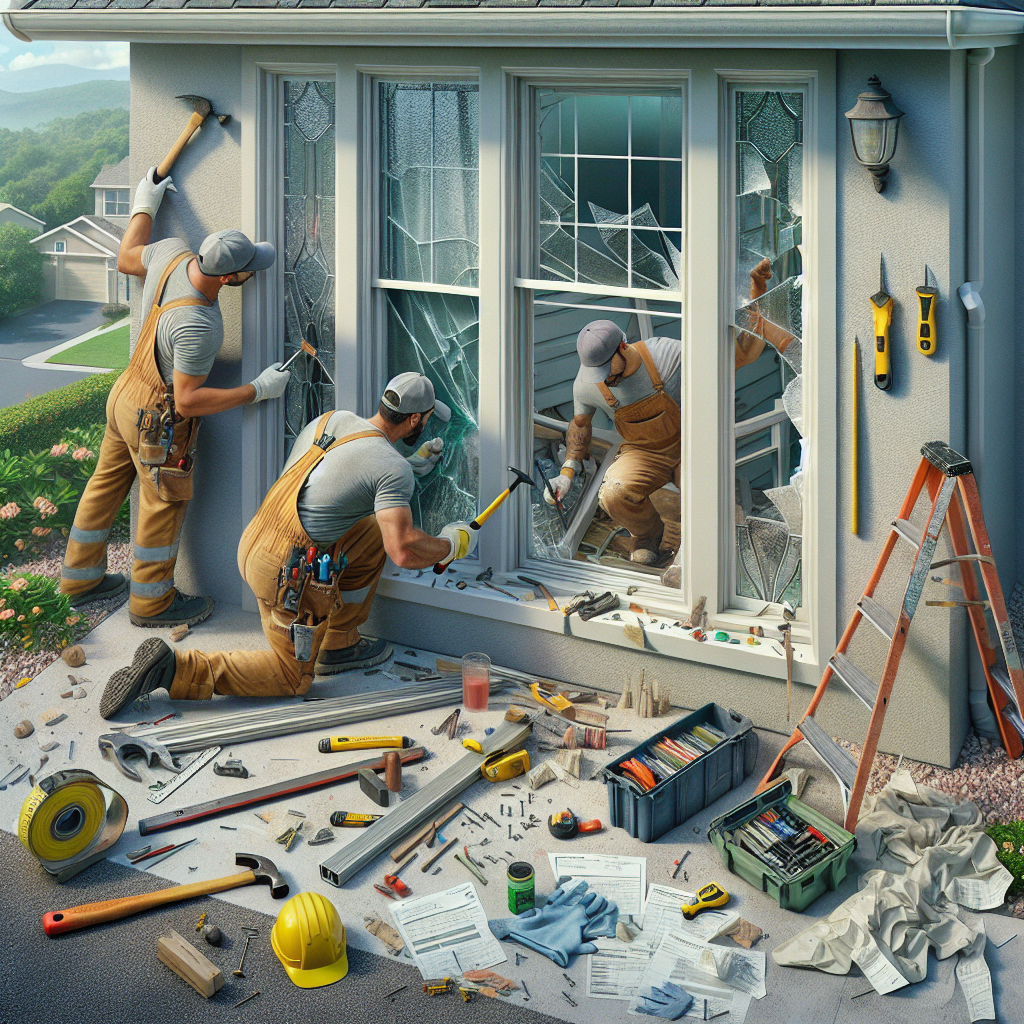
Window Repair in Ocala: Common Problems, Costs, and How to Choose a Local Pro
Window repair in Ocala isn’t one-size-fits-all. In this climate, foggy insulated glass, warped frames, and hard-to-open sashes are common, and costs can swing from quick fixes to full replacements. This guide lays out the problems you’ll recognize, realistic local cost ranges, and a practical checklist for choosing a trusted local pro such as R C Windows & Doors, so you know when to DIY and when to call in the experts.
Signs Your Window Needs Repair
Visible damage, sticking hardware, and drafts are not cosmetic problems in Ocala. They signal performance faults that can drive energy costs up and invite moisture intrusion if ignored.
Fogging between panes is a telltale sign of a failed insulated glass unit. Look for moisture trails or hazy streaks that persist after temperature swings. If you see fog, plan for IGU replacement rather than a full frame refit when the sash is sound.
Hardware and sash issues show up as a window that won’t open or close smoothly. Sticky balances, broken sash cords, or misaligned hinges point to worn hardware or a warped frame that will worsen over time.
Water intrusion or interior condensation signals seal failure or flashing problems. Drafts near edges mean the seal or sill has compromised energy performance, even if the glass itself looks fine.
Sliding doors rely on tracks and rollers; sand, grit, and humidity wear them faster in Ocala. If a track is bent or a roller won’t roll, the failure is not just nuisance—it affects safety and security.
Concrete example: A bedroom double-hung window sticks when closing and shows a faint fog in the lower pane. A tech finds a worn balance and a failed IGU; replacing the balance and IGU restores operation without replacing the whole unit. If you’re evaluating options, see local pro options like R C Windows & Doors for a quick inspection.
Trade-off insight: repairs that address hardware or IGU leaks save money upfront but may delay a full replacement. If the frame is rotten or the home is older and energy costs are high, a well-timed replacement with Low-E glass can deliver bigger savings over years.
If you notice any of these signs, schedule a local window inspection to confirm scope and options before the next storm.
Common Window Problems in Ocala and Why They Happen
Ocala’s climate pushes window problems into the mechanical realm. When a window starts acting up, it’s a signal that the seal, the frame, and the hardware are aging together under sun, heat, and humidity.
Why these problems happen in Ocala
Sun exposure and high humidity accelerate IGU seal deterioration, which shows up as fogging between panes and a noticeable drop in comfort. Wood frames soak up moisture and can rot or warp, while vinyl and aluminum expand and contract with heat, loosening seals and hardware. In Ocala, when planning a replacement, check Marion County permitting guidelines to understand permit requirements.
Hardware and track wear are another Ocala pattern. Hinges, balances, and sash cords wear faster when a window sees frequent use in extreme temperatures, and dirt or sand blown in from outside accelerates track wear.
Glass breakage isn’t only about impact. Thermal stress from hot sun and cool interiors can crack panes, especially in areas that see direct afternoon light. When replacement is needed, choose tempered or laminated glass for safety and better performance in high-traffic rooms.
Track-and-roller wear is common on sliding doors and sliders in Ocala. Debris plus lack of regular lubrication shortens a track’s life and makes operation sticky long before the glass looks worn.
Example: A 20-year-old wood double-hung in a Marion County bungalow develops soft sills and fogging between panes. After an inspection, the IGU is replaced, but rot near the meeting rail is discovered, suggesting a frame repair or upgrade to a more durable vinyl option to avoid repeated failure.
- Repair first when a single window shows a clear, isolated issue and the frame is solid, but escalate to replacement if rot or multiple fogged units appear across several windows.
- Consider total cost of ownership: a bundled approach that targets IGUs, tracks, and hardware can beat piecemeal fixes over a few years.
Takeaway: request on-site inspection to map salvageable parts from replacements, then compare bids for IGU replacement, frame repair, and hardware work. For local guidance, visit our services page and contact to book a free inspection.
Local Cost Breakdown and Example Scenarios
In Ocala, the cost to fix a window is driven more by the repair type than by the number of windows. You’ll see a meaningful spread between a quick hardware tweak and a full window replacement, because material choices, glass packages, and local labor rates shift with season and demand. Use these ranges as a baseline when you start conversations with a local pro such as R C Windows & Doors.
- Materials vary by frame and glass—vinyl, aluminum, or wood; Low-E coatings and argon fills; the glass type itself.
- Labor is the big swing in Ocala—access, height, and how much framing work is needed.
- Permits show up only with certain replacements or structural work in Marion County, so ask early whether the job will trigger any fees.
- Disposal and haul-away costs can surprise if a contractor quotes just the install; confirm whether removal is included.
Three concrete scenarios anchor bids and help you compare apples to apples across contractors.
- Scenario 1: Fogged double-pane bedroom window IGU replacement: IGU replacement $200; Labor $75; Total $275.
- Scenario 2: Sliding glass door roller replacement and track adjustment: Parts $120; Labor $330; Total $450.
- Scenario 3: Full replacement of 8 vinyl double-hung windows with basic Low-E glass: Materials $3,800; Labor/Removal/Disposal $1,400; Total $5,200.
When you read estimates, look for a clear line-item breakdown: materials, labor, disposal, and any permit fees. Compare whether removal and haul-away are included, whether a replacement is for the entire unit or just the IGU, and what warranty coverage accompanies both parts and workmanship.
Ocala’s climate adds a practical twist: humidity and sun accelerate seal wear and hardware corrosion, so the cost gap between a repair and a full replacement can close faster than you expect when a project touches multiple components at once.
Key takeaway: In Ocala, IGU replacement is typically the main cost driver; always confirm whether disposal is included and what warranty covers both glass and workmanship.
The right next step is to request a written, line-item estimate and use the three scenarios to benchmark bids. Bring in the specifics you care about—Low-E glass, argon fills, and whether the project includes removal of old units—so you can press for precise pricing and realistic timelines.
DIY Repairs Versus Professional Service
In Ocala, most window failures warrant professional handling, especially when safety, glazing performance, or building code is involved. The default assumption should be: if you’re touching glass, framing, or any element that affects energy performance, you’re likely better off with a local pro.
Use a simple framework to decide: assess risk to people and property, weigh the cost of a fix against replacement value, consider warranty implications, and acknowledge your own limits. Small, non‑glazing tasks can save money, but missteps on IGUs, rotted sills, or structural components shift risk and cost back to you—or your insurer.
When DIY repairs make sense
- Screen replacement and frame cleaning to restore appearance without touching glazing or structure.
- Lubricating tracks and tightening hardware to restore operation on non‑critical units.
- Exterior perimeter caulking and weatherstripping to reduce drafts on a clearly stable sash.
- Basic maintenance tasks that don’t involve cutting glass or altering the frame geometry.
When to hire a professional window repair service
- Cutting and installing new insulated glass units or any work that involves tempering or handling large panes.
- Repairing rotted sills or warped frames where structural integrity is at stake.
- Major sash repairs, balances, or channel tracks that affect safe operation.
- Work that requires permits or affects building envelopes like structural framing or flashing.
A practical example: a fogged double‑pane bedroom window looked like a simple seal issue, but resealing or replacing the pane without proper measurement risks uneven gaps and continued moisture. A local pro can measure, replace the IGU, and warranty the installation, often at a lower total cost than a full window replacement.
Warranty and safety matter: glazing systems require specific spacers, sealants, and installation methods. DIY glass work can void manufacturer warranties and leave you exposed to leaks or drafts. Pros bring tested glazing compounds, certified suppliers, and a warranty that covers both parts and workmanship. See our service page for how we approach these guarantees: R C Windows & Doors Services.
If you’re budgeting, expect a transparent quote that separates materials, labor, disposal, and any permit costs. A local pro should walk you through the scope, product choices, and the relevant warranty period before work begins.
Next: use the Step-by-Step Checklist to choose a local pro in Ocala and Marion County, then request a no‑obligation on‑site inspection.
Step-by-Step Checklist to Choose a Local Window Pro in Ocala
Choosing a local window pro in Ocala isn’t about the lowest bid. This step-by-step checklist helps you quickly verify capability, transparency, and timeliness. Use it during calls and on-site inspections to filter out unqualified bidders before you sign anything.
- Step 1 — Confirm local presence: Ask for references from Ocala projects, view photos of past work in Marion County, and confirm how long they’ve served the area.
- Step 2 — Verify credentials: Ensure they carry proper insurance, workers compensation, and any required contractor licenses or registrations, and confirm they handle permits when needed.
- Step 3 — Get a written, line-item estimate: Demand materials, labor, disposal, and any access charges listed separately; require at least two local bids to compare scope.
- Step 4 — Understand product options: Ask about brands, glass types, Low-E or argon fills, and whether impact-rated options are available for your locale.
- Step 5 — Clarify warranty and service terms: Request a written workmanship warranty, the glass manufacturer’s warranty, and expected response times for post-install issues.
- Step 6 — Nail down payment terms and schedule: Check deposits, start and completion windows, cleanup policies, and whether lien releases are part of final paperwork.
Important trade-off: A lower upfront price often hides hidden costs like disposal fees, limited warranty, or less thorough surface preparation. Factor in the total cost of ownership over time, not just the first invoice, especially in Ocala’s humidity and sun where installations can underperform if sealing is rushed.
Use Case: A property manager in Ocala needed quick IGU replacement for a fogged bedroom window. They asked two local bidders for line-item quotes. Bid A offered a fast inspection and a lower price but limited warranty; Bid B provided a detailed scope, longer warranty, and verified local references. They chose Bid B because the scope was clear and references checked out, and the work completed within five days. For a sample scope template, see our Services page.
What to Expect When You Hire R C Windows & Doors
When you hire R C Windows & Doors, you’re not getting a one-off fix. You’re engaging a defined, local service flow built around Ocala’s climate and your long-term reliability.
The process moves from inquiry to on-site inspection, then a detailed written estimate, scheduling, material selection, installation or repair, cleanup, and a final walkthrough. This sequence keeps you informed and protects your investment in windows that perform year after year.
What happens on the on-site visit
- Glass condition: assess cracks, chips, hazy glass, and whether a tempered or laminated pane is required for safety.
- Frame and hardware: check for rot, warping, sash balance, hinges, locks, and track alignment.
- Flashing and interior damage: document water intrusion, staining, or mold that could affect scope or warranty.
- Documentation: photograph issues, capture measurements, and note access or disposal needs for the job.
The on-site report translates observations into a recommended scope, a choice of materials suited to Ocala humidity and sun exposure, and a transparent fee breakdown for materials and labor.
Timing depends on size and scope. Most simple glass or hardware fixes wrap in a few hours; full window replacements can take a couple of days for a single home and longer for multiple units. If you have an emergency glass break, ask about same-day or next-day emergency repair options.
Warranty and follow-up are built in. Expect a workmanship warranty on labor and a manufacturer warranty on parts, with clear instructions on how to request service if something shifts after installation.
To reassure you during the process, R C Windows & Doors provides local references and before/after photos from Ocala projects. You’ll have a dedicated contact who coordinates access, timelines, and payments, reducing friction during the job. See our services page for examples and photos from nearby jobs.
Next step: request a free inspection or estimate to move from concern to plan. You can start here with a quick form or reach us at https://rcwindowsdoors.com/contact.
Preventive Maintenance and When to Consider Full Replacement
Seasonal maintenance is the cost control lever for Ocala homes. A disciplined routine keeps water intrusion, seal failures, and frame warping from turning into broad-scale repairs. Start with a yearly exterior caulk and seal check, clean and lubricate tracks, and inspect for swelling or peeling on wood frames. Address small issues before they become structural problems.
When to consider full replacement? If you see chronic seal failure across multiple windows, widespread wood rot, persistent drafts despite maintenance, or single-pane units in an older home, replacement often saves money and headaches over time. Even then, weigh frame material and glass choices against the remaining life of the house and energy goals.
- Seasonal seal check and re-caulking: Inspect exterior perimeters and reseal to block drafts.
- Track cleaning and lubrication: Remove debris, lubricate rollers and hinges.
- Wood frame maintenance: Repaint or seal wood frames to prevent rot and swelling.
- Glass and gasket inspections: Look for cracks, fogging, loose gaskets, and replace IGUs if needed.
- Draft testing and energy awareness: Use a simple incense test or infrared thermography if available to identify air leaks.
Trade-offs exist. Full replacement delivers the biggest gains in energy performance and maintenance simplicity, but it carries a larger upfront cost and may involve permits or material decisions that tie you to a particular window type for years. If several windows show significant wear at once, a well-planned replacement can consolidate labor and guarantee a coherent performance upgrade.
Concrete example: A 1990s-era bungalow in Ocala developed foggy IGUs in three bedrooms and wood frame swelling along a west-facing wall. The three IGU replacements came in around 275 each plus labor, but the sills showed rot and several sashes were out of alignment. Replacing eight windows with vinyl frames and Low-E glass delivered markedly better energy performance and fewer maintenance calls for years.
Takeaway: Plan your maintenance calendar now and use replacement thresholds to decide when upgrading pays for itself.
Frequently Asked Questions
In Ocala, replacing a single pane typically runs about 120 to 450 per pane depending on size, glass type, and whether the glass is tempered or specialized. Basic annealed glass sits at the low end; upgrades to Low-E, laminated, or tempered glass push toward the higher end. For a concrete example, a typical 2 x 3 double-hung window with a standard IGU can land around 180–320 total when you include glass, labor, and disposal. Larger or premium glass packages can push toward the upper end.
Fogged windows indicate the insulated glass unit has failed. Replacing the IGU is usually the most cost-effective fix; a full frame swap is only necessary if the sash or surrounding frame is rotted or otherwise damaged. In Ocala, IGU replacements commonly run 150–600 depending on glass type and spacer material, with premium gas fills or laminated layers on top.
Permits can be a gray area. Most minor repairs do not require a permit, but full window replacements or structural modifications often do. Marion County rules apply, and reputable pros handle permit coordination if needed. If you’re unsure, ask for a written permit plan as part of the estimate and confirm who’s responsible for any fees.
DIY can be feasible for small, safe tasks but has important limits. Replacing small non-tempered panes might be doable for experienced DIYers with proper safety gear, yet tempered glass, large panes, or work above ground level should be left to a licensed pro. DIY can void certain product warranties if you don’t follow glazing requirements, and improper seals can cause leaks and draft issues.
Timelines vary. Simple glass or hardware repairs can take a few hours, while full window replacements typically span a day per window and longer for multiple windows or custom orders. If you’re juggling several rooms, build in a buffer for ordering, fabrication, and any permit lead times.
- Insurance and licensing: Verify current liability coverage, workers’ compensation eligibility, and any local contractor registrations.
- Written scope and pricing: Demand a line-by-line estimate for materials, labor, disposal, and any permit fees.
- Product brands and glass performance: Ask about Low-E, Argon, laminated options, and compatibility with your existing frames.
- Warranty terms: Secure both a workmanship warranty and a manufacturer warranty with durations clearly stated.
- Timeline and scheduling: Get start and completion windows and note any weather-related or supply delays.
- References from local jobs: Request nearby Ocala references to confirm reliability and work quality.
Are impact or hurricane rated windows required in Ocala? No—Ocala is inland, so coastal enforceable hurricane-rated requirements don’t apply to typical residential repairs. However, upgrading to laminated or impact-rated glass can be a prudent hedge for storm resilience and may affect insurance or resale considerations. Always confirm with your insurer and local code if you’re contemplating a higher-end upgrade.
Next steps: gather photos of the affected windows, note priorities (cost, timing, and durability), and contact a local pro for a free on-site inspection. If you want a trusted Ocala option, consider requesting a free inspection from RC Windows & Doors to assess whether repair or replacement is the right path for your home.