

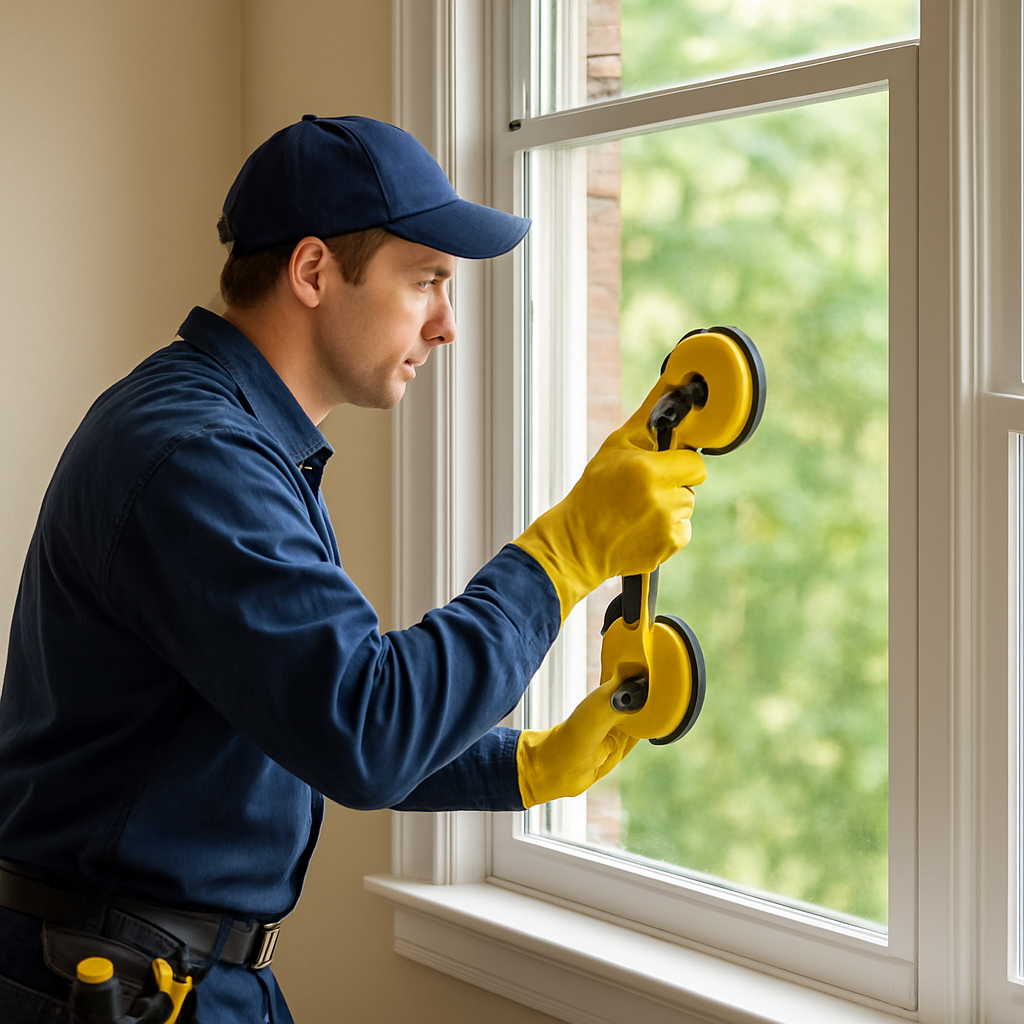
If you have searched window pane replacement near me while staring at a cracked, foggy, or drafty window in Ocala, this guide gives you a clear, local roadmap. You will get a step-by-step walkthrough of glass-only versus full-unit replacement, realistic Ocala cost ranges and timeline expectations, and the Florida-specific safety and code issues that affect material choice. Use the tips here to decide when to call a local pro, what to ask for on estimates, and how to prepare for the job.
Signs That You Need Window Pane Replacement
Not all visible damage needs immediate full-frame replacement, but certain signs always mean a glass replacement is required. Pay attention to where the damage is, whether the window still seals, and whether safety glazing rules apply.
Visual and Functional Signs
Key point: some signs are cosmetic, others are structural or safety-critical. Cosmetic chips can wait; fogging between panes or a spiderweb fracture cannot.
- Visible cracks or spiderweb fractures: large cracks or multiple radial cracks require replacement to restore safety and insulation.
- Fogging between panes: this always indicates IGU seal failure and means the insulated glass unit needs replacing rather than surface cleaning.
- Drafts or measurable heat loss: air infiltration at the glass edge suggests failed seals or warped glazing beads.
- Difficulty operating sash or sticky hardware: not always the glass, but if the frame is warped the whole unit may be a better long-term fix.
- Small chips at corners or near doors/pool areas: these are safety triggers under Florida code and usually require tempered or laminated replacement.
Trade-off to consider: replacing just the glass is cheaper and faster when the frame and sash are sound, but if the frame shows rot, bowing, or repeated seal failure the cheap fix becomes a recurring cost. Invest in the unit if you expect another failure in 2-3 years.
Code and safety triggers that change urgency
Practical judgment: windows adjacent to doors, bathrooms, or pools are subject to safety glazing rules in Florida. If glass is cracked in those locations, treat it as an urgent safety replacement rather than a low-priority repair.
Insurance and permitting also matter. Storm-broken panes are often covered by homeowner policies — document damage carefully. Full unit changes or upgrades to hurricane-rated units may require permits; simple glass swaps usually do not.
Concrete Example: An Ocala homeowner called after noticing persistent fogging on a west-facing bedroom window. Technician inspection showed IGU seal failure; the tech recommended an insulated glass unit replacement with low-e coating and argon fill to cut afternoon heat. Because the frame was intact, the glass-only job completed in about two weeks with lower cost than a full-frame replacement.
Key takeaway: Fogging between panes equals IGU replacement. Cracks near doors, pools, or at corners are safety issues and should be prioritized. Before you call, take clear photos from inside and outside and note which windows face direct sun or storm exposure.
Step-by-Step Process for Glass-Only Replacement
Straight to the point: glass-only replacement is a focused service that replaces the glass while keeping the existing frame and sash. When done correctly it is faster and cheaper than a full unit swap, but it only works if the frame and stops are square, dry, and structurally sound.
Field steps technicians follow
- Initial contact and photos: Provide clear photos showing the entire window, closeups of damage, and a ruler or tape for scale. A good photo estimate eliminates wasted trips and speeds scheduling.
- On-site assessment and measurement: Technician verifies glass thickness, edge profile, and whether the unit is an IGU (insulated glass unit) or single pane. They also check for rot, warped sash, or failed seals that would invalidate glass-only repair.
- Glass selection and code check: Choose single pane, IGU, low-e, argon fill, tempered, or laminated based on location and Florida code requirements. Tempered is required in hazardous locations and will change cost and lead time.
- Ordering and lead-time decision: If the size matches stocked inventory, order is quick; custom IGUs or specialty coatings typically take 1 to 4 weeks. Picking stocked tempered units trades selection for speed.
- Safe removal of existing glass: Use containment, cut glazing compound or remove beading carefully, and remove glass fragments for disposal. For shattered panes the crew will board up and protect interior finishes first.
- Dry fit and glazing: New glass is dry-fit, shimmed for proper alignment, then set with new glazing tape or compound and secure stops or beads. Proper compression and sealant choice prevent future seal failure.
- Seal and finish checks: Technician inspects sightlines, applies exterior grade sealant, and tests for water intrusion and sash operation. Photos and paperwork document the install and warranty terms.
- Cleanup and documentation: Remove debris, recommend maintenance if stops or sash need future attention, and leave care instructions and warranty documentation.
Practical tradeoff: choosing stocked glass shortens the schedule but often limits energy performance. If you plan to improve energy efficiency, opt for a certified IGU with low-e and argon, but expect longer lead times and higher cost.
Concrete Example: A homeowner in Ocala had a cracked 48×60 insulated living room pane. Because the sash was square and undamaged, the technician ordered a tempered low-e IGU; the company installed a stocked single-pane replacement the next day to secure the opening, then completed the IGU install two weeks later when the custom unit arrived.
What often gets missed: installers who reuse brittle glazing stops or fail to check sash squareness create recurring leaks and failed seals. Insist on photographic measurement confirmation and a clear note about whether existing stops or beads will be reused or replaced.
Key takeaway: glass-only replacement is efficient when the frame is sound. If the frame shows rot, warping, or repeated seal failure, a full unit replacement is the better long-term choice.
Next practical step: before you schedule, photograph the window from inside and outside, note orientation and proximity to doors or pools, and share those images during the estimate. That speeds the assessment and flags any tempered or code-driven requirements up front.
When to Replace the Entire Window Unit Instead of Just the Pane
Straight answer: replace the whole window when the frame, sash, or operation is compromised because swapping only the glass will be a short-term fix and often costs almost as much in time and headaches. Glass-only solves fogging and visual breakage; it does not fix rot, warped frames, failed balances, leaking sills, or mismatched thermal performance.
Core indicators that you need a full unit replacement
- Structural damage: visible rot, significant frame warping, or a sash that will not stay in position because hardware or balances have failed
- Water intrusion or rot at the sill or jamb: staining, soft wood, mold growth, or rusted metal fasteners under the frame
- Recurring seal failures across an entire unit: repeated fogging between panes after multiple IGU replacements suggests the frame glazing channel is compromised
- Operational failure: windows that bind, stick, or will not lock securely often need new sash tracks or a new frame to meet safety and weather performance
- Energy and code reasons: lack of NFRC performance, no low-e coating, or missing hurricane-rated glazing where Florida code now requires it for that opening
Trade-off to understand: a glass-only job costs less up front but leaves existing thermal and water-protection problems intact. A full replacement costs more now but fixes draft, water intrusion, and improves energy performance and warranty coverage. If a frame has more than one of the indicators above, the long-term cost per year usually favors full replacement.
Practical checks to make during the estimate
- Probe the sill and jamb: a screwdriver should not sink into the frame; if it does, plan on full replacement
- Check hardware and operation: if locks or balances are discontinued or rusted, replacement parts may be unavailable
- Measure thermal mismatch: compare existing units to NFRC labels on replacement options and consider low-e or argon-filled IGUs for south and west exposures
- Ask about warranty differences: glass-only typically has a limited glass warranty; full unit installs usually include frame, labor, and performance warranties
Concrete example: a 20-year-old casement window in an Ocala bathroom had recurring fogging and a soft lower sill. The homeowner paid for two glass-only replacements over six years; both failed because the sill leaked and compressed the glazing seal. Replacing the whole unit eliminated the leak, stopped the fogging permanently, and allowed installation of tempered glass required for that bathroom location.
Judgment I use on jobs: if the frame condition suggests less than five years of remaining life, replace the whole unit. If only the glass is failing, and the frame, operation, and flashing are sound, a glass-only IGU replacement is the sensible, affordable choice.
Key takeaway: choose full window replacement when the problem is structural, repeated, or code-related. For isolated glass failure with a solid frame, glass-only is the faster, cheaper option.
Cost Estimates and What Drives Price in Ocala Florida
Start with the real ranges. Expect small single-pane glass replacement to land roughly between $50 and $200, insulated double-pane IGU replacement between $150 and $800, and full window unit replacement from $300 to $1,200 in Ocala depending on size and frame.
Primary cost drivers you will actually see on a job invoice
- Glass type and performance: Low-e coatings, argon fill, laminated or tempered glass add measurable cost. Tempered and laminated safety glazing required by code in some places is often 2x the price of standard annealed glass.
- Size and complexity: Large picture windows, odd shapes, and heavy insulated units are pricier to fabricate and install than 18 x 24 standard replacements.
- Frame condition and labor: If the sash or frame is warped, labor time and material for repairs increase the total. Difficult access (second-floor, exterior scaffolding) multiplies labor costs.
- Local code and hurricane requirements: Hurricane-rated or impact glass adds cost but may be required along certain exposures and for openings near doors or the pool.
- Lead times and stock: Stocked panes and commonly sized IGUs keep costs low; custom coatings or laminated safety glass can push price and lead time up.
Practical trade-off: Buying the cheapest glass only to skip required tempered or impact glazing saves money up front but creates code and insurance headaches. If a window is in a code-trigger location, budget for compliant glass or you risk failing inspections and claims denial.
Concrete example: A cracked bathroom casement 24 x 36 that requires tempered IGU with low-e will commonly fall near $350 to $600 because tempering and the safety spec bump price. By contrast, a living room 48 x 60 insulated unit without tempering but with low-e and argon will often be $500 to $900—larger size and performance features drive the difference.
What homeowners routinely misunderstand: Energy upgrades in Florida pay back faster on west and south exposures where solar heat gain matters. That means spending more for low-e plus argon may be the smart choice for those windows, and a cheap replacement will cost you in summer cooling.
How to get an accurate local estimate: Send photos with measurements, note the glass orientation (north/south/west), and ask for an itemized quote that separates glass, labor, disposal, permit fees, and warranty. If a quote bundles everything with no specs, push for details or get a second opinion.
Key takeaway: For Ocala jobs, expect a 3x cost spread between the cheapest stock glass repair and a full-sized, code-compliant IGU or tempered pane. Prioritize itemized bids and locally verifiable warranties—cheap labor cuts now usually costs more in leaks and rework later.
Next consideration: When you get estimates, compare the glass specifications (low-e, argon, tempered), lead times, and warranty terms — then pick the option that matches the window’s exposure and safety requirements rather than just the lowest number.
Typical Timeline and Scheduling Expectations
Clear expectation: most window pane jobs in Ocala are not instant — but many are fast enough that you do not need to live with boarded glass for long. The real variable is whether you need stock glass or a custom insulated or safety unit. Plan around that distinction.
| Service type | Typical lead time in Ocala | When this applies |
|---|---|---|
| Emergency board-up and same-day stocked single-pane glass | Same day to 24 hours | Broken, non-tempered small panes where stock sizes fit |
| Stock insulated glass unit (IGU) replacement | 2 to 7 days | Common sizes and standard low-e/argon IGUs in local inventory |
| Custom IGU or tempered/laminated specialty glass | 1 to 4 weeks | Oversized, custom coatings, laminated safety glass, or hurricane-rated units |
| Full window unit replacement | 1 to 6 weeks | New frames, custom colors, or hurricane-rated full-unit orders |
| Permit or inspection driven work | Variable – add 1 day to multiple weeks | Full replacements that change openings or require local inspections |
Common causes of delays and what actually matters
Reality check: contractors can move fast, but supply and code requirements drive most waits. In Ocala, hurricane season and local demand push lead times on hurricane-rated laminated and tempered glass. Also expect longer waits if the job needs a building permit or if the frame needs repair before glass can be installed.
- Supply constraints: special low-e coatings, argon fill, or laminated safety glass often come from regional mills and add days or weeks
- Scheduling churn: same-day emergency calls can bump scheduled work, so confirm a guaranteed install window if timing matters
- Permit and inspection lag: the city or county inspection schedule can add days; do not assume replacement equals no paperwork
- Weather and site access: heavy rain or hurricane warnings will cancel installs; plan 1 to 2 buffer days
Concrete example: A homeowner with a foggy double-pane living room window in southwest Ocala had a tech out the next day to measure. The unit required a tempered low-e IGU because of its proximity to a sliding door, so the order took 12 days to arrive and one afternoon to install. If that same homeowner had accepted a stocked single-pane temporary fix, they could have had same-day service but worse energy performance long-term.
Trade-off to accept: faster is usually more expensive and sometimes short-sighted. Expedited or emergency swaps solve the immediate hazard but often mean replacing the glass again sooner. If energy performance or code compliance matters, wait for the correct IGU or tempered unit.
- Book early in season: schedule non-urgent replacements outside peak hurricane-prep months to shorten lead times
- Bundle windows: grouping multiple window replacements reduces per-unit mobilization time and overall calendar span
- Confirm a firm install window: get a two-hour arrival window and a cancellation policy in writing
- Ask about verification: insist on on-site measurements and photo confirmation before glass is ordered
Key takeaway: if you need a high-performance IGU or hurricane-rated safety glass in Ocala, plan on 1 to 4 weeks and schedule early. For true emergencies, same-day board-up or stocked-pane fixes are available, but expect trade-offs in cost and performance.
Next consideration: when you schedule, communicate priorities. Tell the contractor if you need minimal disruption on a specific day, require hurricane-rated glass, or want the most energy-efficient option so the installer can quote realistic lead times up front.
DIY Versus Professional Replacement and Safety Considerations
Direct point: DIY is reasonable only for small, single-pane windows that are low, readily accessible, and not subject to safety glazing requirements. For everything else — insulated glass units, tempered or laminated safety glass, high or oversized panes, sliding doors, or windows near pools and doors — a professional is the safer and ultimately cheaper choice.
When DIY makes sense
- Simple single-pane repairs: small cracked panes in a non-hazard location where the frame and sash are solid.
- Accessible height: windows you can work on from a stable ladder or the ground without scaffolding.
- Non-code locations: windows not requiring tempered or laminated glass under Florida code.
Trade-off to keep front of mind: DIY saves on labor costs but increases risk of measurement errors, poor sealing, and safety incidents. A mis-measured IGU or a patchy seal can mean a new pane that fogs in months or a leaking frame that invites rot and bigger replacement bills.
When you should hire a pro
- Insulated or tempered glass (IGUs): these require precise measurement and factory assembly — not a homeowner weekend project.
- Safety-controlled locations: windows near doors, pools, bathrooms, or within the glass safety zones mandated by Florida code.
- Structural or frame issues: rotted, warped, or water-damaged frames mean the problem is broader than glass.
- Large, high, or heavy panes and sliding doors: handling and installation risk plus fall protection requirements.
Practical safety steps if you attempt a small repair yourself: wear cut-resistant gloves, eye protection, and a dust mask; score and tape cracked glass before removal; use a rigid tarp to catch shards; measure glass thickness and sightline dimensions accurately; and dispose of shards in a rigid, labeled container. If you see any rot or failed seals, stop and call a pro.
Concrete example: A homeowner in Ocala with a cracked 24×36 single-pane bathroom window away from the tub replaced the glass themselves after confirming the frame was solid and the glass not subject to safety glazing. They saved labor costs and completed the swap in a few hours. When their neighbor discovered similar damage in a window adjacent to the pool, they called a professional because the Florida building code requires safety glazing there — a DIY would have been a code violation and insurance risk.
Judgment call most people get wrong: cost is not the only axis — liability, code compliance, and warranty matter. Cheap fixes that fail or violate code often cost more in claims, permit headaches, or repeat installations than hiring a qualified local installer up front.
Key takeaway: If the job involves IGUs, tempered/laminated glass, structural frame issues, height, or safety-code locations, hire a licensed installer. For small, straightforward single-pane swaps you can follow proper PPE and measurement practices — otherwise get a quote from a pro.
How to Choose a Reliable Local Contractor and Next Steps
Start with verification, not price. In my experience the single biggest mistake homeowners make when searching for window pane replacement near me is choosing the lowest quote without confirming measurement practices, warranty language, and who will actually do the work. A low bid can look attractive until a mis-measure, poor seal, or unsupported product forces a repeat job.
- Proof of licensing and insurance: Request a current insurance certificate and the contractor’s license number; verify both with Florida or local authorities.
- Itemized written estimate: Insist the estimate separates glass, labor, disposal, permit handling, and any hurricane-rated or tempered upgrades.
- Photos and measurement confirmation: Good contractors photograph the existing unit, record glass thickness and sash condition, and provide those measurements in writing.
- Warranty and workmanship terms: Ask whether glass, seal failure, and labor are covered and for how long; note exclusions such as damage from storms or improper homeowner modification.
- Local references and recent jobs: Request two nearby references or photos of completed jobs in Marion County within the last 12 months.
- Lead time and emergency options: Confirm if they offer mobile window service or same-day emergency glass repair, and what counts as emergency versus scheduled work.
- Permit handling and code knowledge: Verify who pulls permits and whether the contractor specifies hurricane-rated or tempered glass when required by Florida code.
A practical trade-off: Mobile teams and same-day glass repair are great for broken window pane fix and emergency glass repair, but they usually carry stocked sizes and standard IGUs. If you need energy-efficient windows or custom tempered laminated units, expect longer lead times and higher cost — and choose a contractor who actually fabricates or sources specialty units reliably.
Concrete Example: An Ocala homeowner with a foggy double-pane living room window got three quotes. The cheapest contractor promised same-day service but would only install a single-pane temporary fix; the chosen contractor documented existing sash rot, supplied a tempered low-e IGU, and included a two-year seal warranty. That extra cost avoided another call-out two months later and lowered air-conditioning load on a west-facing room.
Questions to ask during the estimate: Get specifics — exact glass type (low-e, argon-filled IGU, tempered), expected U-value or NFRC label if available, who does the installation crew (employees vs subcontractors), disposal fees, and what surfaces they protect during work. If they dodge these questions, consider that a red flag.
Common red flags: No written estimate, requests for large upfront payment beyond a small deposit, vague warranty terms, no local address or references, or unwillingness to show proof of insurance. Local contractors with repeat business in Marion County will provide documentation and local references without hesitation.
Preparing for the appointment and next steps
- Gather photos and measurements: Take clear photos of the damaged pane, the frame, and measurements if you have them; include notes on window orientation (north, south, etc.).
- Clear access and protect interiors: Remove curtains, blinds, and fragile items; cover floors under the work area and secure pets.
- Request a written scope and timeline at the visit: Ask the estimator to leave a one-page scope showing materials, lead time, on-site duration, and payment schedule.
- Get at least two itemized bids and compare apples to apples: Match glass specs, warranty length, and who handles permits before choosing.
Key takeaway: When searching for window pane replacement near me, prioritize documented measurements, clear warranty terms, and local references over the lowest price. A competent local installer will provide photos, a written scope, and a timeline — those are the things that actually prevent repeat failures.