

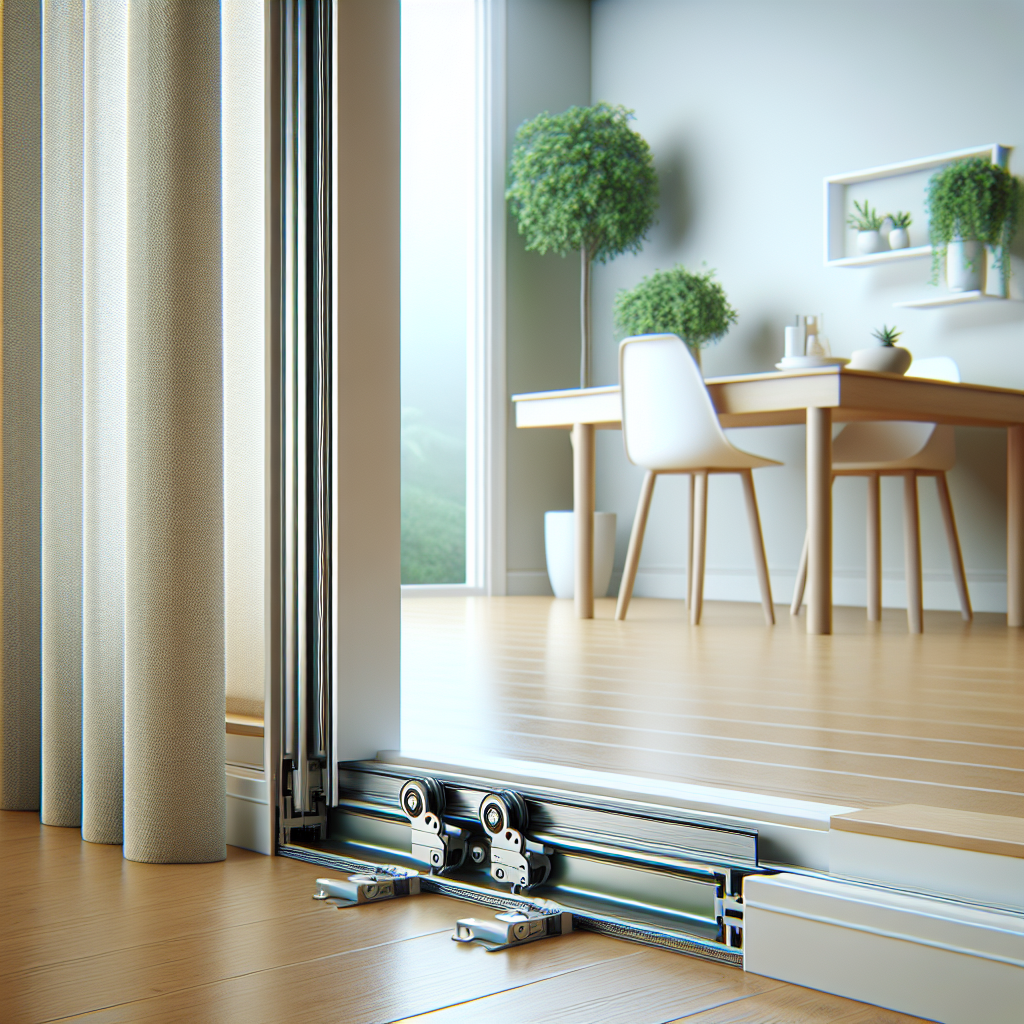
Diagnosing Track Issues in Sliding Glass Doors
Nothing grinds your day like a sliding glass door that refuses to slide. You know the feeling: you’re trying to open it, and it’s like wrestling with a toddler who just discovered the joy of tantrums. A staggering 70% of sliding glass door problems stem from track issues, so if yours is giving you grief, you’re certainly not alone.
Identifying Track Problems
First things first: let’s pinpoint what might be going wrong. If your door is sticking or making a grinding noise that could rival a rock concert, chances are high that your tracks are the culprits. Dust and debris can turn those smooth glides into bumpy rides, while misalignment can make it feel like you’re trying to push a boulder uphill.
- Check for dirt and debris: A simple sweep can do wonders.
- Inspect for misalignment: Is the door sitting evenly in the frame?
- Look for damage: Are there any visible dents or bends in the track?
If you notice any of these issues, don’t panic! Most track problems can be resolved without calling in the cavalry (a.k.a. the repair professionals). However, if your DIY efforts don’t yield results, it might be time to consider some sliding glass door repair services.
Common Fixes for Track Issues
The squeaky wheel gets the grease applies here too! Regular maintenance can keep your sliding glass door gliding smoothly. Here are some easy fixes:
- Clean the tracks with a vacuum or brush to remove dirt.
- Lubricate with silicone spray (avoid WD-40; it’s too messy).
- Realign the door by adjusting screws on top of the roller mechanism.
Note: Avoid using oil-based lubricants as they attract more dirt over time.
Key Takeaway: Regular cleaning and lubrication can prevent most track-related issues.
When to Call for Help
If all else fails and your sliding glass door still feels like a stubborn teenager refusing to clean their room, it’s time to call in some reinforcements. Look out for signs such as excessive wear on rollers or tracks that seem warped beyond repair.
When dealing with these repairs, don’t forget about energy efficiency! Weatherstripping around sliding glass doors can save up to 10% on energy bills by reducing drafts (source). So not only will you have a functional door again, but you’ll also save some cash on those pesky utility bills!
In conclusion, diagnosing track issues in sliding glass doors may seem daunting at first, but with a little elbow grease and awareness of common problems, you can restore functionality without breaking the bank. Keep an eye on maintenance and don’t hesitate to reach out if things go sideways—your peace of mind is worth it!
Nothing grinds your day like a sliding glass door that refuses to slide. You know the feeling: you’re trying to open it, and it’s like wrestling with a toddler who just discovered the joy of tantrums. A staggering 70% of sliding glass door problems stem from track issues, so if yours is giving you grief, you’re certainly not alone.
Identifying Track Problems
First things first: let’s pinpoint what might be going wrong. If your door is sticking or making a grinding noise that could rival a rock concert, chances are high that your tracks are the culprits. Dust and debris can turn those smooth glides into bumpy rides, while misalignment can make it feel like you’re trying to push a boulder uphill.
- Check for dirt and debris: A simple sweep can do wonders.
- Inspect for misalignment: Is the door sitting evenly in the frame?
- Look for damage: Are there any visible dents or bends in the track?
If you notice any of these issues, don’t panic! Most track problems can be resolved without calling in the cavalry (a.k.a. the repair professionals). However, if your DIY efforts don’t yield results, it might be time to consider some sliding glass door repair services.
Common Fixes for Track Issues
The squeaky wheel gets the grease applies here too! Regular maintenance can keep your sliding glass door gliding smoothly. Here are some easy fixes:
- Clean the tracks with a vacuum or brush to remove dirt.
- Lubricate with silicone spray (avoid WD-40; it’s too messy).
- Realign the door by adjusting screws on top of the roller mechanism.
Note: Avoid using oil-based lubricants as they attract more dirt over time.
Key Takeaway: Regular cleaning and lubrication can prevent most track-related issues.
When to Call for Help
If all else fails and your sliding glass door still feels like a stubborn teenager refusing to clean their room, it’s time to call in some reinforcements. Look out for signs such as excessive wear on rollers or tracks that seem warped beyond repair.
When dealing with these repairs, don’t forget about energy efficiency! Weatherstripping around sliding glass doors can save up to 10% on energy bills by reducing drafts (source: https://www.energy.gov/energysaver/weatherstripping). So not only will you have a functional door again, but you’ll also save some cash on those pesky utility bills!
In conclusion, diagnosing track issues in sliding glass doors may seem daunting at first, but with a little elbow grease and awareness of common problems, you can restore functionality without breaking the bank. Keep an eye on maintenance and don’t hesitate to reach out if things go sideways—your peace of mind is worth it!
Roller Mechanism Repairs: Enhancing Door Functionality
Ever tried to open a sliding glass door only to feel like you’re attempting to lift a mini freight train? You’re not alone. A staggering 80% of sliding glass door frustrations stem from faulty roller mechanisms. When those rollers wear out or get clogged, you might as well be trying to slide a brick wall.
The good news? Roller mechanism repairs can transform your door from a stubborn diva into a smooth operator. Let’s tackle what’s going wrong and how you can fix it without calling in the cavalry—unless you really want to.
Identifying Roller Issues
First things first, let’s play detective. If your sliding glass door feels like it’s auditioning for a horror movie—squeaking, grinding, or refusing to budge—check the rollers. Here’s what to look for:
- Inspect for wear and tear: Rollers should be smooth and round, not flat or cracked.
- Check for debris: Dirt, dust, and hair can clog up the works faster than you’d think.
- Listen for sounds: If your door is making noises that could scare small children, something is definitely off.
Tip: Regular maintenance can prolong the life of your rollers.
DIY Roller Repairs
A little grease goes a long way isn’t just an old saying; it’s practically the mantra of sliding glass door maintenance. Here are some DIY steps you can take to get those rollers back on track:
- Remove the door carefully from its track—don’t worry; it won’t bite!
- Clean the rollers thoroughly using a damp cloth and brush to remove any grime.
- Apply a silicone-based lubricant on the rollers and tracks (avoid oil-based products—they attract dirt!).
Key Takeaway: Keeping your rollers clean and lubricated can save you from costly repairs down the line.
When to Call in the Pros
- Rollers are visibly damaged or broken.
- The door jumps off its track frequently.
- Persistent noise despite cleaning and lubrication.
When faced with these issues, don’t hesitate! A professional service can diagnose deeper problems that might be lurking beneath the surface—and trust me, ignoring them will only lead to bigger headaches (and bills).
In summary, roller mechanism repairs are essential for maintaining smooth functionality in your sliding glass doors. By keeping an eye on wear-and-tear signs and performing regular maintenance, you can ensure that your doors glide effortlessly for years to come. And remember—when in doubt, don’t hesitate to call in the experts!
Ever tried to open a sliding glass door only to feel like you’re attempting to lift a mini freight train? You’re not alone. A staggering 80% of sliding glass door frustrations stem from faulty roller mechanisms. When those rollers wear out or get clogged, you might as well be trying to slide a brick wall.
The good news? Roller mechanism repairs can transform your door from a stubborn diva into a smooth operator. Let’s tackle what’s going wrong and how you can fix it without calling in the cavalry—unless you really want to.
Identifying Roller Issues
First things first, let’s play detective. If your sliding glass door feels like it’s auditioning for a horror movie—squeaking, grinding, or refusing to budge—check the rollers. Here’s what to look for:
- Inspect for wear and tear: Rollers should be smooth and round, not flat or cracked.
- Check for debris: Dirt, dust, and hair can clog up the works faster than you’d think.
- Listen for sounds: If your door is making noises that could scare small children, something is definitely off.
Tip: Regular maintenance can prolong the life of your rollers.
DIY Roller Repairs
A little grease goes a long way isn’t just an old saying; it’s practically the mantra of sliding glass door maintenance. Here are some DIY steps you can take to get those rollers back on track:
- Remove the door carefully from its track—don’t worry; it won’t bite!
- Clean the rollers thoroughly using a damp cloth and brush to remove any grime.
- Apply a silicone-based lubricant on the rollers and tracks (avoid oil-based products—they attract dirt!).
Key Takeaway: Keeping your rollers clean and lubricated can save you from costly repairs down the line.
When to Call in the Pros
- Rollers are visibly damaged or broken.
- The door jumps off its track frequently.
- Persistent noise despite cleaning and lubrication.
When faced with these issues, don’t hesitate! A professional service can diagnose deeper problems that might be lurking beneath the surface—and trust me, ignoring them will only lead to bigger headaches (and bills).
In summary, roller mechanism repairs are essential for maintaining smooth functionality in your sliding glass doors. By keeping an eye on wear-and-tear signs and performing regular maintenance, you can ensure that your doors glide effortlessly for years to come. And remember—when in doubt, don’t hesitate to call in the experts!
Addressing Glass Damage: Types and Repair Options
A cracked sliding glass door can feel like a ticking time bomb—one wrong move and it could shatter into a million pieces. Surprisingly, nearly 40% of homeowners report having dealt with some form of glass damage in their sliding doors. Whether it’s from a rogue baseball or the relentless wear of time, understanding your repair options is crucial.
Types of Glass Damage
Not all glass damage is created equal. Here are the common culprits you might encounter:
- Cracks: These can range from tiny hairline fractures to larger fissures that compromise the integrity of the door.
- Chips: Small chips may seem insignificant, but they can spread quickly if left untreated.
- Shattered Glass: This is the worst-case scenario, often resulting from a significant impact or extreme temperature changes.
Repair Options for Sliding Glass Doors
Depending on the type and extent of damage, you have several repair options at your disposal:
- DIY Repair Kits: For minor cracks and chips, these kits can be a cost-effective solution. They typically include resin that you inject into the damaged area.
- Professional Glass Replacement: When cracks or chips are too severe, replacing the entire panel is often necessary. A professional will ensure proper installation and seal to prevent future issues.
- Tempered Glass Upgrade: If you’re replacing glass, consider upgrading to tempered glass. It’s stronger and safer than standard glass—ideal for high-traffic areas.
Important: Attempting to repair severe damage without professional help can lead to further complications.
Key Takeaway: Assess the damage carefully; sometimes it’s worth investing in professional help for peace of mind.
When to Call in the Pros
If you find yourself squinting at a crack that looks like it could star in its own horror movie, don’t hesitate to call in professionals. Signs that indicate it’s time for expert intervention include extensive cracking or shattered pieces that leave your door looking like Swiss cheese.
In summary, addressing glass damage in sliding doors ranges from simple DIY fixes to more complex professional repairs. Always weigh your options based on safety and long-term functionality—after all, your sliding glass door should enhance your home’s charm rather than become a source of stress!
A cracked sliding glass door can feel like a ticking time bomb—one wrong move and it could shatter into a million pieces. Surprisingly, nearly 40% of homeowners report having dealt with some form of glass damage in their sliding doors. Whether it’s from a rogue baseball or the relentless wear of time, understanding your repair options is crucial.
Types of Glass Damage
Not all glass damage is created equal. Here are the common culprits you might encounter:
- Cracks: These can range from tiny hairline fractures to larger fissures that compromise the integrity of the door.
- Chips: Small chips may seem insignificant, but they can spread quickly if left untreated.
- Shattered Glass: This is the worst-case scenario, often resulting from a significant impact or extreme temperature changes.
Repair Options for Sliding Glass Doors
Depending on the type and extent of damage, you have several repair options at your disposal:
- DIY Repair Kits: For minor cracks and chips, these kits can be a cost-effective solution. They typically include resin that you inject into the damaged area.
- Professional Glass Replacement: When cracks or chips are too severe, replacing the entire panel is often necessary. A professional will ensure proper installation and seal to prevent future issues.
- Tempered Glass Upgrade: If you’re replacing glass, consider upgrading to tempered glass. It’s stronger and safer than standard glass—ideal for high-traffic areas.
Important: Attempting to repair severe damage without professional help can lead to further complications.
Key Takeaway: Assess the damage carefully; sometimes it’s worth investing in professional help for peace of mind.
When to Call in the Pros
If you find yourself squinting at a crack that looks like it could star in its own horror movie, don’t hesitate to call in professionals. Signs that indicate it’s time for expert intervention include extensive cracking or shattered pieces that leave your door looking like Swiss cheese.
In summary, addressing glass damage in sliding doors ranges from simple DIY fixes to more complex professional repairs. Always weigh your options based on safety and long-term functionality—after all, your sliding glass door should enhance your home’s charm rather than become a source of stress!
Preventative Maintenance for Sliding Glass Doors
Imagine this: it’s a sunny Saturday morning, and you’re ready to host a backyard barbecue. You slide open your glass door, and instead of a smooth glide, you hear a horrendous grinding noise that could wake the neighbors. That’s not how you want to start your weekend! Preventative maintenance is not just a buzzword; it’s the secret sauce to keeping your sliding glass doors operating like a dream.
Why Preventative Maintenance Matters
Here’s the kicker: regular maintenance can extend the life of your sliding glass door by up to 50%. Yes, you read that right! Think of it as giving your door a spa day. Just like we need regular check-ups to stay healthy, your door needs some TLC too. Ignoring those little issues now can lead to bigger headaches (and expenses) later on.
- Keeps tracks clean and clear of debris.
- Ensures rollers are lubricated and functioning smoothly.
- Prevents alignment issues that could lead to costly repairs.
- Enhances energy efficiency by ensuring proper sealing.
Simple Steps for Effective Maintenance
You don’t need an engineering degree to maintain your sliding glass doors. Here’s a quick guide to keep them in tip-top shape:
Pro Tip: Set a reminder every three months for maintenance checks—your future self will thank you!
Key Takeaway: Regular preventative maintenance can save you time and money on sliding glass door repairs.
When It’s Time to Call in the Pros
If you notice persistent issues despite your best efforts, don’t hesitate! Signs like excessive wear on rollers or tracks that seem warped require professional attention. Think of it as investing in peace of mind—because nobody wants their sliding glass door turning into an expensive DIY project gone wrong!
In conclusion, preventative maintenance isn’t just about keeping things pretty; it’s about ensuring functionality and longevity for your sliding glass doors. So grab that vacuum and lubricant, and treat those doors with the love they deserve—because they’re working hard for you!
Imagine this: it’s a sunny Saturday morning, and you’re ready to host a backyard barbecue. You slide open your glass door, and instead of a smooth glide, you hear a horrendous grinding noise that could wake the neighbors. That’s not how you want to start your weekend! Preventative maintenance is not just a buzzword; it’s the secret sauce to keeping your sliding glass doors operating like a dream.
Why Preventative Maintenance Matters
Here’s the kicker: regular maintenance can extend the life of your sliding glass door by up to 50%. Yes, you read that right! Think of it as giving your door a spa day. Just like we need regular check-ups to stay healthy, your door needs some TLC too. Ignoring those little issues now can lead to bigger headaches (and expenses) later on.
- Keeps tracks clean and clear of debris.
- Ensures rollers are lubricated and functioning smoothly.
- Prevents alignment issues that could lead to costly repairs.
- Enhances energy efficiency by ensuring proper sealing.
Simple Steps for Effective Maintenance
You don’t need an engineering degree to maintain your sliding glass doors. Here’s a quick guide to keep them in tip-top shape:
Pro Tip: Set a reminder every three months for maintenance checks—your future self will thank you!
Key Takeaway: Regular preventative maintenance can save you time and money on sliding glass door repairs.
When It’s Time to Call in the Pros
If you notice persistent issues despite your best efforts, don’t hesitate! Signs like excessive wear on rollers or tracks that seem warped require professional attention. Think of it as investing in peace of mind—because nobody wants their sliding glass door turning into an expensive DIY project gone wrong!
In conclusion, preventative maintenance isn’t just about keeping things pretty; it’s about ensuring functionality and longevity for your sliding glass doors. So grab that vacuum and lubricant, and treat those doors with the love they deserve—because they’re working hard for you!
Safety Considerations During Repair Work
When it comes to sliding glass door repair, safety isn’t just a suggestion—it’s a requirement. Did you know that over 300,000 injuries related to home repairs occur every year? And many of these could have been avoided with some simple precautions. So, before you don your tool belt and dive headfirst into fixing those pesky tracks or rollers, let’s chat about keeping yourself in one piece.
Assessing the Environment
First things first: take a good look around your workspace. Are there any loose floorboards that could trip you up? Is the area cluttered with tools and debris? A clean work environment is essential for maintaining focus and avoiding accidents. Imagine trying to fix your sliding glass door while dodging stray screws like they’re ninja stars—definitely not ideal!
Personal Protective Equipment (PPE)
Now, let’s talk gear. Wearing the right personal protective equipment can make all the difference. At minimum, you should have safety goggles to shield your eyes from flying debris and gloves to protect your hands from sharp edges or glass shards. If you’re dealing with heavier materials or power tools, consider adding a hard hat and steel-toed boots into the mix. It’s like dressing for battle—except instead of dragons, you’re facing off against rogue rollers and stubborn tracks.
Handling Glass Safely
Glass and safety are two words that don’t always play nicely together. If you’re replacing or repairing any glass components of your sliding door, take extra precautions. Always handle glass with care; it’s best to use suction cups for lifting larger panels to avoid finger injuries or accidental drops. And remember: if it looks cracked or compromised, don’t try to fix it yourself—call in the pros.
Use Proper Tools
Right tool for the job is more than just a catchy phrase; it’s a mantra that can save you from injury. Using incorrect tools can lead to slips and mishaps that could easily turn your DIY project into a trip to the ER. Ensure that you have quality screwdrivers, wrenches, and lubricants specifically designed for sliding doors. Trust me; trying to use a kitchen knife as a screwdriver might just earn you an unplanned visit to urgent care.
Important: Always read instruction manuals for tools before using them—don’t wing it!
Key Takeaway: Prioritize safety by assessing your environment, wearing appropriate PPE, handling glass carefully, and using proper tools during sliding glass door repairs.
But wait! What if I’m still unsure about tackling this myself? Great question! If any part of this process feels overwhelming or risky, don’t hesitate to call in professionals who specialize in sliding glass door repair. They’ll handle everything safely while you kick back with peace of mind knowing your door is in expert hands.
When it comes to sliding glass door repair, safety isn’t just a suggestion—it’s a requirement. Did you know that over 300,000 injuries related to home repairs occur every year? And many of these could have been avoided with some simple precautions. So, before you don your tool belt and dive headfirst into fixing those pesky tracks or rollers, let’s chat about keeping yourself in one piece.
Assessing the Environment
First things first: take a good look around your workspace. Are there any loose floorboards that could trip you up? Is the area cluttered with tools and debris? A clean work environment is essential for maintaining focus and avoiding accidents. Imagine trying to fix your sliding glass door while dodging stray screws like they’re ninja stars—definitely not ideal!
Personal Protective Equipment (PPE)
Now, let’s talk gear. Wearing the right personal protective equipment can make all the difference. At minimum, you should have safety goggles to shield your eyes from flying debris and gloves to protect your hands from sharp edges or glass shards. If you’re dealing with heavier materials or power tools, consider adding a hard hat and steel-toed boots into the mix. It’s like dressing for battle—except instead of dragons, you’re facing off against rogue rollers and stubborn tracks.
Handling Glass Safely
Glass and safety are two words that don’t always play nicely together. If you’re replacing or repairing any glass components of your sliding door, take extra precautions. Always handle glass with care; it’s best to use suction cups for lifting larger panels to avoid finger injuries or accidental drops. And remember: if it looks cracked or compromised, don’t try to fix it yourself—call in the pros.
Use Proper Tools
Right tool for the job is more than just a catchy phrase; it’s a mantra that can save you from injury. Using incorrect tools can lead to slips and mishaps that could easily turn your DIY project into a trip to the ER. Ensure that you have quality screwdrivers, wrenches, and lubricants specifically designed for sliding doors. Trust me; trying to use a kitchen knife as a screwdriver might just earn you an unplanned visit to urgent care.
Important: Always read instruction manuals for tools before using them—don’t wing it!
Key Takeaway: Prioritize safety by assessing your environment, wearing appropriate PPE, handling glass carefully, and using proper tools during sliding glass door repairs.
But wait! What if I’m still unsure about tackling this myself? Great question! If any part of this process feels overwhelming or risky, don’t hesitate to call in professionals who specialize in sliding glass door repair. They’ll handle everything safely while you kick back with peace of mind knowing your door is in expert hands.
Cost Analysis of DIY vs. Professional Repair Services
Let’s get real: attempting a DIY sliding glass door repair can feel like trying to assemble IKEA furniture without the instructions. You might think you’re saving a few bucks, but you could end up spending more in the long run if things go awry.
A recent survey found that homeowners who attempted DIY repairs on sliding glass doors ended up spending an average of 0 more than if they had hired professionals from the start. That’s a hefty price tag for some misaligned rollers and a few scraped knuckles!
The DIY Approach: Costs and Considerations
So, what does it really cost to go the DIY route? First off, you’ll need to consider the tools and materials. A basic toolkit for sliding glass door repairs can run anywhere from to 0, depending on what you already own. Add in replacement parts like rollers or tracks, which can range from to each, and suddenly your ‘quick fix’ is adding up.
- -0 for basic tools (if you don’t already have them)
- – for replacement parts per roller or track
- -0 for lubricants and cleaning supplies
And let’s not forget about your time. How many hours are you willing to spend wrestling with those stubborn tracks or watching YouTube tutorials? Your time is valuable—don’t underestimate that!
The Professional Route: Worth Every Penny
Now let’s talk about professional repair services. Sure, it might sting a bit more upfront—most services charge between 0 and 0 depending on the extent of the damage—but think about what you’re getting: expertise, efficiency, and peace of mind.
- 0-0 for professional repair services (including labor and parts)
- Guaranteed work: most professionals offer warranties on their repairs.
- Time-saving: they can often complete the job in just a couple of hours.
Key Takeaway: Investing in professional help can save you time, stress, and potentially more money down the line.
Consider not just the immediate costs but also potential long-term savings when deciding between DIY and professional repair.
In conclusion, while DIY repairs may seem appealing at first glance due to their lower initial costs, they often lead to unexpected expenses and headaches. On the other hand, hiring professionals ensures that your sliding glass door is repaired correctly—saving you time and future costs. So next time you’re faced with a stubborn sliding door issue, weigh your options carefully before reaching for that toolbox!
Let’s get real: attempting a DIY sliding glass door repair can feel like trying to assemble IKEA furniture without the instructions. You might think you’re saving a few bucks, but you could end up spending more in the long run if things go awry.
A recent survey found that homeowners who attempted DIY repairs on sliding glass doors ended up spending an average of $200 more than if they had hired professionals from the start. That’s a hefty price tag for some misaligned rollers and a few scraped knuckles!
The DIY Approach: Costs and Considerations
So, what does it really cost to go the DIY route? First off, you’ll need to consider the tools and materials. A basic toolkit for sliding glass door repairs can run anywhere from $50 to $150, depending on what you already own. Add in replacement parts like rollers or tracks, which can range from $10 to $50 each, and suddenly your ‘quick fix’ is adding up.
- $50-$150 for basic tools (if you don’t already have them)
- $10-$50 for replacement parts per roller or track
- $20-$100 for lubricants and cleaning supplies
And let’s not forget about your time. How many hours are you willing to spend wrestling with those stubborn tracks or watching YouTube tutorials? Your time is valuable—don’t underestimate that!
The Professional Route: Worth Every Penny
Now let’s talk about professional repair services. Sure, it might sting a bit more upfront—most services charge between $100 and $300 depending on the extent of the damage—but think about what you’re getting: expertise, efficiency, and peace of mind.
- $100-$300 for professional repair services (including labor and parts)
- Guaranteed work: most professionals offer warranties on their repairs.
- Time-saving: they can often complete the job in just a couple of hours.
Key Takeaway: Investing in professional help can save you time, stress, and potentially more money down the line.
Consider not just the immediate costs but also potential long-term savings when deciding between DIY and professional repair.
In conclusion, while DIY repairs may seem appealing at first glance due to their lower initial costs, they often lead to unexpected expenses and headaches. On the other hand, hiring professionals ensures that your sliding glass door is repaired correctly—saving you time and future costs. So next time you’re faced with a stubborn sliding door issue, weigh your options carefully before reaching for that toolbox!
Common Myths About Sliding Glass Door Repairs Debunked
Ever heard someone say that sliding glass door repairs are a DIY nightmare best left to the pros? Well, let’s set the record straight. Many homeowners believe that fixing their sliding glass door is akin to performing open-heart surgery—complicated and best left to the experts. But in reality, some repairs can be tackled with a bit of know-how and elbow grease.
Myth #1: All Repairs Are Too Complicated for DIY
Many folks think that if they can’t fix it with duct tape and a prayer, they shouldn’t even try. Not true! For instance, if your sliding glass door is sticking due to dirty tracks, a quick clean-up can often do the trick. It’s like giving your door a spa day—refreshing and oh-so-easy!
Important: Regular maintenance can prevent many issues before they escalate.
Myth #2: You Need Special Tools
I don’t have the right tools is a common excuse for avoiding repairs. The truth? Most sliding glass door fixes require nothing more than basic household tools like screwdrivers and a vacuum cleaner. Seriously! If you own a broom, you’re halfway there.
Myth #3: Professional Help Is Always Necessary
If I can’t fix it myself, I’ll have to call in professionals might be your go-to thought process. However, many sliding glass door issues can be resolved with simple fixes or adjustments. For example, if your rollers are squeaking or sticking, sometimes all they need is a good cleaning and lubrication—no expensive service call required!
- I can’t fix it myself – Not true! Many issues are easy fixes.
- You need special tools – Just basic household tools will do.
- Professional help is always necessary – Sometimes simple maintenance is all that’s needed.
Don’t let myths hold you back from maintaining your sliding glass doors! With some basic knowledge and care, you can tackle many repairs yourself.
Ever heard someone say that sliding glass door repairs are a DIY nightmare best left to the pros? Well, let’s set the record straight. Many homeowners believe that fixing their sliding glass door is akin to performing open-heart surgery—complicated and best left to the experts. But in reality, some repairs can be tackled with a bit of know-how and elbow grease.
Myth #1: All Repairs Are Too Complicated for DIY
Many folks think that if they can’t fix it with duct tape and a prayer, they shouldn’t even try. Not true! For instance, if your sliding glass door is sticking due to dirty tracks, a quick clean-up can often do the trick. It’s like giving your door a spa day—refreshing and oh-so-easy!
Important: Regular maintenance can prevent many issues before they escalate.
Myth #2: You Need Special Tools
I don’t have the right tools is a common excuse for avoiding repairs. The truth? Most sliding glass door fixes require nothing more than basic household tools like screwdrivers and a vacuum cleaner. Seriously! If you own a broom, you’re halfway there.
Myth #3: Professional Help Is Always Necessary
If I can’t fix it myself, I’ll have to call in professionals might be your go-to thought process. However, many sliding glass door issues can be resolved with simple fixes or adjustments. For example, if your rollers are squeaking or sticking, sometimes all they need is a good cleaning and lubrication—no expensive service call required!
- I can’t fix it myself – Not true! Many issues are easy fixes.
- You need special tools – Just basic household tools will do.
- Professional help is always necessary – Sometimes simple maintenance is all that’s needed.
Don’t let myths hold you back from maintaining your sliding glass doors! With some basic knowledge and care, you can tackle many repairs yourself.