

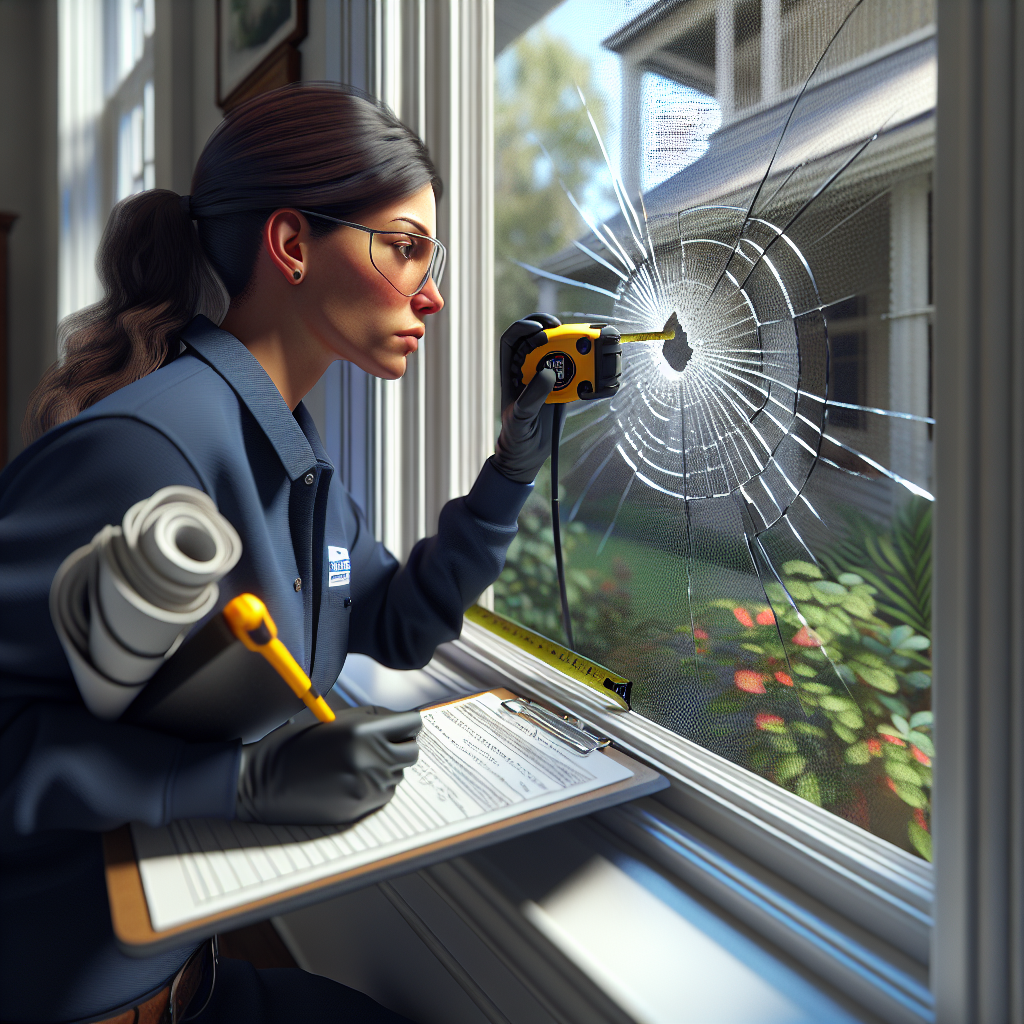
If you spotted a crack, fogged insulated panes, or shattered door glass and searched home glass repair near me, this post cuts through the noise and shows what actually matters. You will get practical criteria to decide repair versus replacement, realistic cost and timeline ranges for Ocala, and a simple checklist of what a local technician will inspect. It also outlines common services local glass repair specialists provide and how R C Windows & Doors handles on site assessments, custom glass orders, and emergency glazing.
Assessing Damage: When Repair Is Enough and When Replacement Is Required
Straight to the point: whether a cracked pane gets repaired or replaced is not an emotional call; it is a matter of safety, function, and long-term value. Small surface damage can often be fixed quickly, but any structural compromise, safety-glass requirement, or failed insulated glass unit (IGU) pushes the job toward replacement.
- Crack length and location: cracks shorter than ~6 inches in the middle of a single pane are candidates for resin repair; edge cracks within about 2 inches of the frame usually require full replacement because they weaken the mount.
- Glass type and code needs: if the pane is tempered or laminated for safety (entry doors, baths, large sidelights), replacement must match that safety rating to meet code.
- Insulated unit failure: visible fogging or condensation between panes means the seal failed and the
IGUshould be replaced — a resin repair won’t fix insulating loss. - Frame and hardware condition: a good frame makes
IGUreplacement economical; a rotted or warped sash argues for full window or door replacement. - Extent of fragmentation: shattered or spidered glass is a replacement job for safety and liability reasons.
A practical trade-off: repair is cheaper and quicker but rarely restores original strength, weatherproofing, or R-value. For homeowners in Ocala that matters because broken or poorly sealed glass increases energy loss and moisture risk — a broken window can raise energy bills by up to 30% according to the Department of Energy (EnergySaver).
Concrete Example: A homeowner finds a 7-inch hairline crack across a middle sash of an older single-pane window. If the crack is away from the edge and the frame operates smoothly, a qualified technician can often perform a cracked window fix with resin and polish the sightline. In contrast, the same 7-inch crack touching the frame or on a tempered patio door requires replacement for safety and code compliance.
Real-world judgement: many folks assume resin fixes are permanent; they are not. In humid, storm-prone climates like central Florida repairs degrade faster, and repaired panes frequently return to service calls. A local glass repair company that inspects frame condition and explains expected lifespan is worth the small extra charge.
What to expect next: ask a local glass repair service for a on-site assessment that measures the crack, confirms glass type, photographs the frame, and gives two options: repair today with a clear durability window, or replace the IGU/pane with cost and lead time. If you want an inspection from a nearby team.
Key takeaway: If the issue is fogged IGU, edge crack, shattered glass, or safety-rated glass, replace. For isolated, mid-pane hairlines or minor chips, a repair may be the fastest, lowest-cost option — but expect lower longevity in Ocala conditions.
Specific Services Local Experts Provide
Straight answer: when you search for home glass repair near me a competent local shop does far more than swap panes. Expect on-glass repairs, sealed-unit (IGU) replacement, safety-glass matching for doors and baths, sliding door glass and hardware service, emergency boarding, and documentation for insurance claims — all tied to local code and hurricane-season realities.
On-glass repairs and limits
Common repairs: technicians perform chip filling, crack resin injection, edge polishing, and minor scratch removal in place. Practical limitation: those fixes restore appearance and slow crack growth but do not restore original structural strength or insulation. In Ocala’s humidity and storm cycles, expect repaired spots to need follow-up sooner than in milder climates.
Insulated units, energy features, and when to replace
IGU work: replacing the sealed insulated glass unit is the go-to for fogged or condensing windows and for restoring Low E / argon performance. That usually preserves the existing frame, which keeps costs down. Trade-off: if the sash is warped or the frame leaks, replacing just the IGU is a short-term fix — a local glass repair company will flag that during inspection and recommend full window replacement where sensible. For technical guidance see National Glass Association.
| Service | Typical turnaround | When this is the right choice |
|---|---|---|
| Crack or chip repair | Same day to 48 hours | Small, mid-pane damage; lowest cost (repairs can start around $50 — Fixr) |
| Insulated glass unit (IGU) replacement | 3 days to 2 weeks | Visible fogging, lost R-value, or failed seals where frame is sound |
| Tempered/laminated safety glass replacement | 3 days to 2 weeks | Entry doors, large panes, and code-required locations |
| Sliding door glass replacement + roller/track service | Same day boarding; glass 3–10 days | Shattered patio doors or doors that slide poorly — match glass and fix hardware together |
| Emergency boarding and insurance documentation | Same day | Storm damage or break-ins when temporary secure closure and claim paperwork are needed |
Concrete Example: A homeowner in a west-Ocala neighborhood had a sliding door shattered by a fallen branch. The local team boarded the opening the same afternoon, issued photos and a written estimate for the insurance claim, then ordered a tempered replacement pane. Rollers were serviced at installation; total elapsed time was six business days from boarding to finished job.
Doors and hardware matter as much as glass. Replacing a pane without addressing out-of-true sashes, failed rollers, or damaged weatherstripping leaves problems unresolved. In practice, the best local glass repair services bundle glass replacement with sash repair and re-sealing so the job stops drafts and prevents repeat service calls.
Important: the cheapest quote that only promises glass replacement without inspecting frames or hardware often leads to a second bill later. Ask a local glass repair service to document frame condition and recommend either IGU-only or full window/door replacement up front. For a local estimate, see R C Windows & Doors services.
Glass Types and Materials Homeowners Encounter
Key point: The material of the glass determines whether a technician can repair it on site, must replace a single pane, or needs a full insulated unit swap. Different materials behave differently under stress, weather, and when broken — that changes cost, lead time, and safety requirements.
Material differences that change the job
Single-pane glass: Plain float glass is the easiest to work with. Small chips and short mid-pane hairlines can sometimes be filled and polished, but structural cracks or edge damage usually need a new cut pane. Repairs restore appearance more than strength.
Insulated glass units (IGUs): These are two or more panes sealed at the edge with a spacer. Seal failure shows as fogging between panes and is not fixable by resin; the sealed unit must be replaced. Replacing the IGU often preserves the existing sash, which saves money — provided the frame is straight and dry.
Tempered glass: Heat-treated for strength and safety. Tempered panes must be replaced whole because you cannot cut or re-temper a damaged piece. Expect matching and code verification for doors, large sidelights, and low glazing near walkways.
Laminated glass: A plastic interlayer holds shards together when broken. It is the better option for security and storm resistance, but replacement is pricier and often custom. In some cases technicians can leave the laminate intact while swapping outer damage, but most repairs still end with full-panel replacement for warranty and appearance.
Low E coatings and gas fills: Low E coatings and argon/krpton fills improve energy performance but complicate matching. If your window has these features you should expect higher material costs and longer lead times for a compatible IGU or replacement pane.
Obscure or decorative glass: Textured, frosted, or patterned glass is often custom and can be significantly more expensive to replace. Short-term fixes are possible, but matching pattern and thickness matters for both look and fit.
Practical trade-off: For Ocala homeowners the choice often comes down to upfront cost versus long-term resilience. Laminated or impact-rated glass costs more initially but reduces the chance of repeat service after storms. If a life-safety location or frequent storm exposure is involved, plan on spending more once to avoid ongoing calls.
Example: A kitchen window showing interior fogging was inspected and found to have a failed IGU; the technician replaced only the sealed unit and resealed the sash, restoring insulation without a full window swap. Separately, a fractured tempered sidelight beside an entry door had to be ordered as a tempered match and replaced intact to meet code, adding a few days to the schedule.
Know what you have: ask a local glass repair service whether the damaged pane is single-pane, IGU, tempered, laminated, or coated. That one answer dictates repairability, cost, and timeline.
Actionable step: When you call a local glass repair company, request verification that they can source manufacturer-matched IGUs or compatible Low E units and that they confirm required safety glazing for doors and large panes.
Cost and Timeline Expectations for Ocala Homeowners
Straight answer: expect a wide range — small on-glass fixes are inexpensive and fast, custom safety or insulated units cost more and take longer. The decisive factors are glass type, whether replacement must be safety-rated, frame condition, and whether the unit is a standard size or custom.
What drives the price
- Glass specification: tempered or laminated safety glass and Low E or argon-filled IGUs add material and fabrication cost
- Size and shape: oversized or oddly shaped panes and decorative glass require custom cutting rather than stock glass
- Access and installation difficulty: second-floor work, awkward sash removal, or the need for scaffolding increases labor and risk premiums
- Frame and hardware condition: replacing only the sealed unit is cheap if the sash is square and dry; a warped sash pushes the work toward full window or door replacement
- Timing and service type: same-day emergency boarding or weekend emergency installs carry premium rates compared with scheduled weekday work
Practical tradeoff: choosing the lowest immediate price often creates repeat work. A low-cost IGU swap into a rotted sash saves money up front but usually leads to air and water infiltration complaints later. Spend a little more on a proper inspection and documented recommendation to avoid that second call.
Typical timelines and realistic expectations
- Inspection to estimate: most local glass repair services will schedule an on-site assessment within 1 to 5 business days; faster if the issue is an emergency
- Stock repairs and minor fixes: many chip fills, crack resin jobs, and roller adjustments can be finished the same visit or within a few business days
- Custom IGUs and tempered panels: expect factory fabrication time measured in business days to several weeks depending on coatings, gas fills, and whether an OEM match is requested
- High season impact: hurricane season and post-storm periods create scheduling bottlenecks; plan for longer lead times and higher emergency-call volume during that window
Judgment call: if a pane must be tempered to meet code, you should treat timeline and cost as nonnegotiable variables. Trying to rush a code-required replacement with a noncompliant pane risks failed inspections and insurance claims being denied.
Concrete Example: A midtown Ocala homeowner reported fogged bedroom windows. The technician confirmed failed IGUs, measured on site, and ordered factory-made Low E insulated units to match existing frames and preserve energy performance. Because the units required a Low E coating and argon fill, delivery and install took about two weeks and cost noticeably more than a plain-glass swap, but it restored insulation without replacing the whole window.
If timing matters, be explicit when you request an estimate: ask for separate pricing for standard versus expedited fabrication, and confirm whether a quoted price includes frame assessment and hardware work.
Next step: document damage with photos, note whether the pane is tempered or shows interior fogging, and schedule a local on-site estimate.
What to Expect During a Service Visit From R C Windows & Doors
Direct expectation: when you search for home glass repair near me and schedule a visit with R C Windows & Doors the first job is to diagnose, document, and give clear choices rather than push a single price over the phone. The technician will prioritize safety, verify glass type and frame condition, take precise measurements, and produce an itemized recommendation you can use for decisions or an insurance claim.
Before the visit
- Prepare photos and notes: take a few pictures from inside and outside, note whether there is fogging between panes or if any glass is tempered or laminated
- Clear access and safety: unlock the area, secure pets, and remove curtains or blinds so the technician can work and measure without delay
- Have paperwork handy: bring any previous window manufacturer info, warranty documents, and photos for insurance if you plan to file a claim
On-site sequence and deliverables
Inspection steps: the technician will perform a safety sweep, check sash and frame squareness, confirm glass specification (single pane, IGU, tempered, laminated, Low E), and record exact dimensions. They will also look for secondary problems such as rotted sills, failed weatherstripping, or hardware issues that change the recommendation.
- Measurements and photos: precise sizes and photos suitable for insurance or factory orders
- Repair versus replace options: immediate on-glass fixes when suitable, or a quoted IGU/pane replacement with lead time and cost breakdown
- Scope and exclusions: written note of any frame or structural problems that would make a paned-only replacement a short term fix
Practical tradeoff: same-day resin repairs reduce immediate cost and avoid the paperwork of a replacement, but they do not restore original strength or insulation. Conversely ordering a factory-made IGU preserves energy performance but adds fabrication time and often requires coordination with sash or hardware repairs if the frame is out of square.
Concrete Example: A renter reported a small star chip on a bedroom window. The technician confirmed it was a single-pane float glass, performed a crack-resin repair during the visit, polished the sightline, documented the condition with photos, and left a short written note about expected life span. The homeowner avoided a replacement and did not need to involve insurance, while keeping the option to replace the pane later if the crack grew.
Important: phone estimates are only indicative. A reliable written estimate after on-site measurements is the document insurers and building code inspectors will accept.
What to have ready and typical visit time: have photos, any warranty or manufacturer tags, and insurance details. Expect the visit to take 30 to 90 minutes depending on complexity; emergency boarding or temporary glazing can be done same day when safety is a concern.
A practical judgment: many homeowners try to pick the lowest price from a phone quote and later discover the frame was unsound or the IGU required special coatings. Insist the quote include whether replacements will match Low E or argon fills and whether tempered or laminated panes are required by code. If you want R C Windows & Doors to inspect and prepare an insurance-ready estimate schedule through the contact page.
How to Choose a Local Glass Repair Contractor in Ocala
Start with verified capability, not the lowest bid. Searching for home glass repair near me will return dozens of options; your decision should rest on clear evidence a shop can handle your exact problem — from broken window repair to double pane window repair and sliding door glass repair — under Ocala conditions, not on a cheap phone quote.
Check licensing and insurance thoroughly. Ask for a license number and confirmation of general liability and workers compensation. Those documents matter when crews work on ladders, remove shattered glass, or when insurers require vendor proof for claims — short of that you assume the risk.
Local experience with climate and codes matters. A local glass repair service that knows hurricane-season stress, common frame rot in central Florida, and Florida glazing rules will give more durable recommendations than a distant vendor. If you want a deeper reference, consult the Florida Building Code.
What to verify on the first contact
- Turnaround and emergency policy: Will they board the opening same day and how soon can they replace tempered or IGU glass?
- Warranty specifics: Get written warranty terms for both glass and labor and ask whether warranties survive resale of the home.
- Source of glass: Can they supply manufacturer-matched IGUs or tempered/laminated panels when required?
- Scope of work: Will they inspect and document frame and hardware condition, or only swap glass?
- Insurance support: Do they provide photos and itemized estimates formatted for claims?
- References with examples: Ask for recent jobs like yours in Ocala and phone numbers you can call.
Practical tradeoff to accept: A small local shop often responds faster and knows local installers and fabricators, which speeds up a glass replacement near me. A larger chain may have broader OEM access and stock parts, but can be slower to respond after storms. Choose based on whether you prioritize speed and local knowledge or exact OEM matching.
Concrete Example: A homeowner called for a shattered patio door late on a Saturday. The local glass repair company boarded the opening the same afternoon, documented damage for the insurer, and sourced a tempered replacement from a nearby fabricator. The job took six business days from emergency boarding to finished installation, avoiding prolonged exposure and extra water damage.
Red flags that deserve a hard pass
- Refuses to provide a written, itemized estimate after an on-site measurement
- Won’t show proof of insurance or gives vague licensing answers
- Promises impossibly fast delivery for custom Low E or tempered units without a fabricator reference
- Only offers glass replacement without inspecting frames or hardware
If a quote is only valid over the phone and the company refuses an on-site inspection, your insurance likely will not accept that estimate.
Vetting checklist: Request license number, liability and workers comp proof, three recent Ocala job photos, written warranty terms, emergency boarding policy, and confirmation they can provide manufacturer-matched IGUs or tempered/laminated panels.
Final judgement: Prioritize a contractor who documents conditions, backs work with a clear warranty, and can both handle emergency boarding and source the right replacement materials. That combination prevents cheap short-term fixes and the follow-up calls you do not want in Ocala.
Maintenance, Prevention, and Safe Temporary Fixes
Immediate reality: most service calls for glass problems start with preventable neglect. A short seasonal checklist and a few safe temporary measures stop small issues from becoming emergency broken window repair or expensive IGU replacements.
Simple maintenance that actually reduces calls
Quarterly checks: walk your home and inspect seals, weatherstripping, and visible frame gaps. Small water stains, soft wood at the sill, or peeling caulk are early warnings that trapped moisture will degrade seals and hasten insulated unit failure.
Lubricate and tune: clean and lubricate tracks and rollers on sliding doors and windows twice a year. Stiff hardware stresses glass and frames; a sliding door glass repair is frequently paired with roller service because neglect creates uneven loads on the pane.
Safe temporary fixes and what they buy you
- Short-term boarding: use a single, well-cut exterior-grade plywood panel to secure shattered openings until pros arrive. This is the most secure temporary fix and reduces water intrusion risk during storms.
- Clear sealing for hairline cracks: apply a strip of clear, UV-stable acrylic tape from the outside to keep out moisture and stop dirt ingress. This is a stopgap for a day or two, not a repair.
- Interior protection: move valuables away from the damaged opening and place a tarp or heavy cloth inside to limit drafts and glass shards if a pane further fractures.
What not to do: never attempt to cut out tempered glass pieces yourself or pry large shards free. Tempered glass breaks into small, sharp fragments and removal without PPE and the right tools creates injury risk and liability — a glass repair company will perform safe removal and document it for insurance.
Practical trade-off: cheap DIY patches or office tape save face for a day but can void insurance claims or hide progressive seal failure. If you plan to make a claim, photograph damage, and keep the temporary fix minimal so the technician can assess the original condition.
Concrete Example: After a summer storm, a homeowner in Ocala found a large star crack in a bedroom sash. They applied a clear exterior tape to keep rain out, documented the damage with photos, and called a local team listed under home glass repair near me. The crew performed safe boarding that afternoon and ordered a matched IGU; the temporary measures prevented water damage while the replacement arrived two weeks later.
Judgment call: if the pane is in a high-traffic or safety location (entry door, sidelights, or low glazing), skip temporary tinkering and call a professional for same-day boarding. That reduces liability and avoids making the damage worse — you will save money and time compared with a botched DIY attempt.
Maintenance cadence: inspect seals and frames every 3 months, lubricate hardware twice a year, and document any damage immediately with photos. For a professional on-site review and emergency boarding.
Key takeaway: routine maintenance and calm, minimal temporary fixes reduce recurring calls to a local glass repair service and protect insurance coverage; when in doubt, secure the opening and call an experienced glass repair company rather than attempting full DIY removal.
Project Examples and How R C Windows & Doors Helps Ocala Homeowners
Typical scope: most calls that start with a search for home glass repair near me fall into three real-world buckets: quick on-glass fixes for appearance and short-term protection, sealed insulated-unit (IGU) replacements to restore energy performance, and door or large-pane jobs that must meet safety glazing rules. Each bucket demands different lead times, parts, and a slightly different skill set from the technician.
How R C Windows & Doors approaches jobs: the technician first triages risk and documents condition with photos and measurements suitable for insurance. If a simple resin or chip-fill will hold, that option is offered with an explicit expected lifespan. If replacement is required, R C sources the correct IGU, tempered, or laminated panel, confirms Low E and gas-fill needs, schedules fabrication when needed, and bundles hardware or sash adjustments so the fix isn’t temporary.
A realistic trade-off to plan for
Key trade-off: you can save money short-term by replacing only the glass, but if the frame is out of square or weathered that option commonly creates new leaks and repeat service calls. Paying a little more up front for a documented frame assessment and combined sash/roller work usually stops a second invoice and prevents trapped moisture problems common in Ocala.
Real job example: A homeowner on a central-Ocala street had a laminate sidelight fractured during an attempted break-in. R C Windows & Doors secured the opening the same day, photographed the damage for the insurer, and ordered a laminated unit with a thicker interlayer for added storm resistance. Because the panel required custom lamination and matched thickness, fabrication and installation took ten business days; the finished job met both security and code requirements and eliminated the need for a temporary noncompliant patch.
Operational limits you should expect: custom laminated and safety-tempered panels add cost and fabrication time, and hurricane season creates predictable backlogs. If you insist on the cheapest immediate option without documentation, you risk failed inspections or denied claims. A sound local glass repair company will give a written, itemized plan showing which costs are optional upgrades and which are required for code and durability.
If speed matters, ask for separate pricing: a same-day emergency boarding plus an expedited safety-pane order vs a standard scheduled replacement. That decision changes both cost and the sourcing path.
Practical takeaway: when you contact a local glass repair service, request an insurance-ready packet (photos, measurements, itemized options), confirmation of tempered/laminated requirements, and a statement about whether the frame needs concurrent work.
Frequently Asked Questions
Practical reality: when Ocala homeowners search for home glass repair near me they want clear yes-or-no answers and next steps. Below are the questions we hear most, with direct, practice-based answers, limits you should expect, and when to call a local pro.
How do I know whether a crack can be repaired or needs replacement?
Short answer: small mid-pane chips and short hairline cracks can sometimes be fixed with a resin repair; anything that touches the edge, compromises safety glazing, or shows IGU fogging needs replacement. Practical tradeoff: resin repairs buy time and look better, but they do not restore original strength or insulating performance.
Will my homeowners insurance cover glass repair or replacement?
Typical outcome: many policies cover sudden damage from storms, accidents, or vandalism but not wear-and-tear or seal failure. Document damage with photos, keep all estimates, and request an insurance-ready packet from your contractor. If a claim is involved, a local service that provides itemized invoices and photographed evidence will make the adjuster process far smoother.
Is tempered or laminated glass required for doors and large panes in Florida?
Code reality: safety glazing is commonly required for doors, sidelights, and low glazing near walkways. A local technician will confirm whether your opening must be tempered or laminated to meet the Florida Building Code and document that requirement for permits or insurance. Replacing with the wrong glass is a false economy because it can fail inspections and void coverage.
How long does it take to replace a fogged IGU or order tempered glass?
Typical timeline: standard stock panes may be same week; custom Low E, argon-filled IGUs or tempered/laminated safety panels often require factory fabrication and take several business days to a few weeks. Lead times double during hurricane season or after local storms – plan around that and ask for expedited options if timing is critical.
Can a local glass repair service match original manufacturer glass like Andersen or Pella?
What to expect: many local shops can source manufacturer-matched IGUs or fabricate compatible Low E and gas-filled units, but exact OEM replacement may add cost and time. Ask up front whether they will provide an OEM match or an equivalent, and get that choice documented in the estimate.
What should I do immediately after a sliding door shatters in a storm?
Immediate steps: secure people and pets, photograph the damage from multiple angles, move valuables away from the opening, and call a local glass repair service for same-day boarding. Concrete Example: A homeowner in south Ocala had a patio door shattered by a falling limb; they photographed the scene, called a local crew listed under home glass repair near me, received same-day boarding to stop water intrusion, and had a tempered pane ordered and installed within eight business days. The boarding prevented secondary water damage and simplified the insurance claim.
Actionable tip: when you call a local glass repair company, ask for an insurance-ready packet (photos, exact measurements, itemized options), confirmation of whether the pane must be tempered or laminated, and a documented recommendation on whether the frame needs concurrent work.
Final actions you can take now: photograph the damage inside and outside, secure the opening with minimal temporary protection if needed, and book an on-site measurement with a local contractor who provides a written, itemized estimate showing options and lead times. Prioritize a vendor who documents tempered/Low E requirements and offers emergency boarding.