

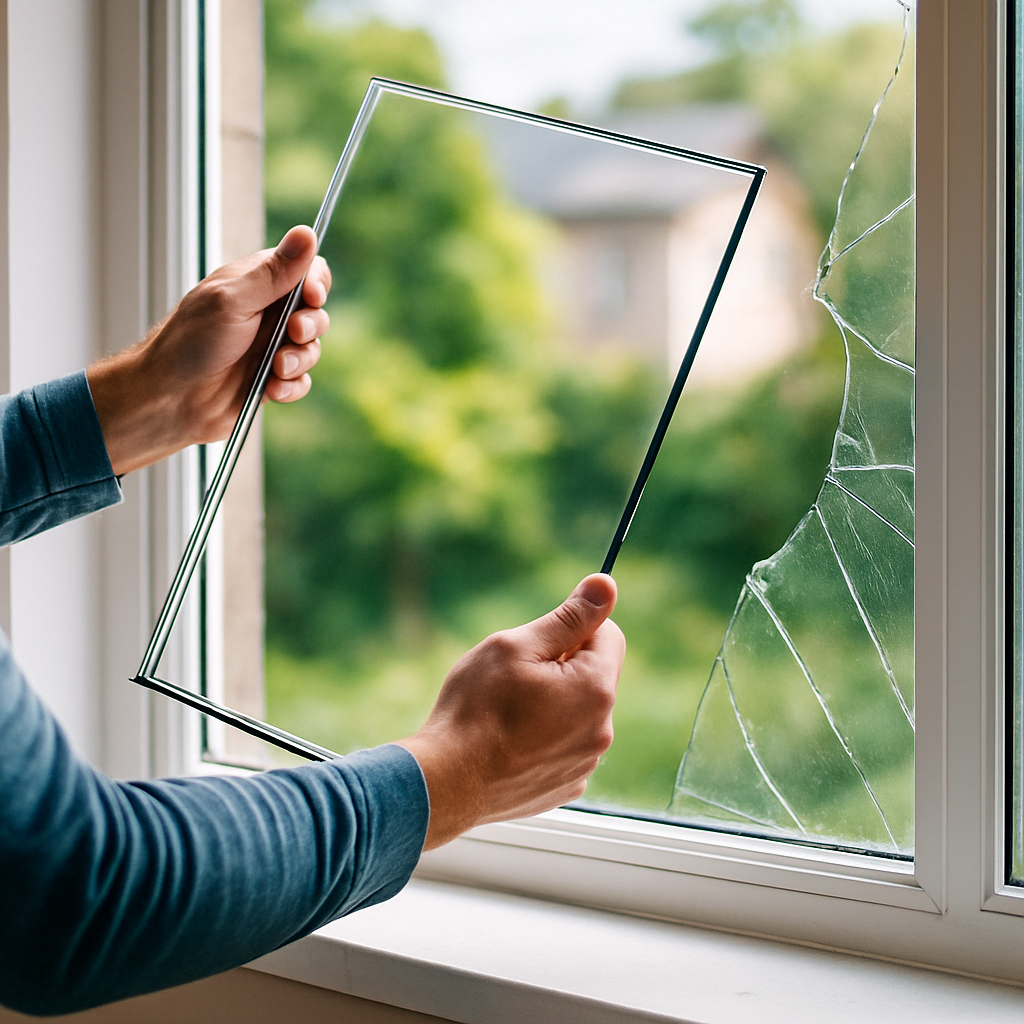
Cracked, foggy, or drafty windows aren’t just cosmetic problems—they affect energy use, safety, and comfort in Ocala’s heat. If you’re wondering whether to glass replace window panes or go with a full unit, this guide lays out cost ranges, available options, and Florida-specific considerations homeowners should weigh. You’ll get a practical decision framework, a clear process for choosing a licensed local glass service, and a real-world example of how RC Windows & Doors serves Ocala customers.
1. Recognizing When Replacement Is Necessary
Replacement is warranted when the signs point to seal failure, sustained energy loss, or frame related issues that a pane swap will not fix. In Ocala, that means weighing a short term fix against long term performance and risk.
- Cracks, chips, or broken panes that compromise safety and insulation
- Moisture between panes or fogging that signals a failed seal
- Warping, rattling, or drafts indicating sash or frame problems
In practice, a glass replace window decision hinges on more than a single damaged pane. A seal that has failed allows moisture and heat to cross the unit, which drives up energy use and accelerates wear on hardware. If the frame is warped or the sash sticks, replacing only the glass will not seat properly or seal against air leaks. Florida climate increases these risks, so a professional assessment is essential to determine whether a pane swap or a full unit replacement makes sense. A local pro will check sash operation, bead condition, hardware, and the overall insulation value, and they will explain options in plain language. For readers in Ocala, we value a direct, transparent process via local specialists such as RC Windows & Doors.
Example from a recent Ocala project: a two story home shows a foggy double pane on a kitchen window after a hurricane season. The pane itself is not cracked, but the seal is gone and the edge bead shows corrosion. The owner chooses to replace just the glass initially, thinking it reliable, but within months the frame started to show warping and air leakage. The crew then replaces the full unit, which delivers a quieter seal and better R value. This illustrates that the right choice depends on frame condition and long term needs.
Be mindful that a quick pane swap may save money upfront but can backfire if the frame is already compromised or if you plan for the long term sale or insurance. If you want to maintain safety and energy efficiency, consider impact resistant or laminated options when replacement is necessary, especially in hurricane prone zones.
Key diagnostic checks: moisture between panes or fogging? frame warped or difficult to operate? sash misaligned or sticking? If two or more are true, plan replacement rather than patching.
Takeaway: when two or more indicators exist, plan a full unit replacement to restore seal integrity, safety, and energy performance. If only one issue is present and the frame remains solid, a glass pane replacement can be cost effective, but verify hardware and sill condition before proceeding. Engage a local pro to confirm the path and keep the project aligned with Florida codes.
2. Cost Considerations and Budgeting
In Ocala, the cost calculus for glass replacement starts with whether you replace only the glass pane or the entire window, and which glass you select. Matching the right option to the frame and climate saves money now and trouble later.
Cost drivers are clear: glass type (standard double-pane vs tempered, laminated, or Low-E), the scope of work (pane replacement vs full window replacement), and the window frame material (vinyl, wood, or aluminum). Labor, disposal, and any required sealant or hardware add-ons matter too. For pane-only work, permits are rare; for frame changes or large structural adjustments, check local codes.
- Glass pane replacement vs full window replacement costs
- Glass type differences: double-pane, tempered, laminated, Low-E
- Florida-specific considerations: impact-resistance, hurricane codes, insurance implications
- Installation quality and warranties as a value driver
From a practice standpoint, chasing the cheapest option rarely pays off if the frame is aging or warped. A cheap pane replacement that doesn’t address a leaky sash will result in repeat issues and higher long-term costs.
Concrete example: A typical 30 by 40 inch vinyl double-hung window in Ocala develops a single cracked pane. Replacing just the pane can run about $150–$250, with labor bringing the total to roughly $300–$450 depending on access. If you upgrade to laminated or Low-E glass and keep the frame solid, you’re looking at $600–$900. If the sash or frame is warped or you opt for impact-resistant glass to meet hurricane standards, costs can rise to $900–$1,500 per window.
To budget effectively, get written estimates with line-by-line costs, compare glass types and installation methods, and confirm warranty coverage. Consider energy savings from Low-E and proper sealing, and beware lead times during hurricane season.
Key takeaway: Start with pane replacement if the frame is sound; otherwise plan a full window replacement to maximize durability, warranty coverage, and energy performance, especially when hurricane-grade options are in play.
3. Glass Options: Safety, Energy, and Climate
Glass choices drive safety, comfort, and long-term costs more than sticker price. For Ocala homes, climate and storm exposure push you toward options that balance resilience with energy efficiency. In this section we break down how tempered, laminated, and Low-E configurations work together with installation quality to determine performance, warranty protection, and total cost.
Tempered vs Laminated glass differences and use cases
Tempered glass shatters into small, blunt pieces when broken, reducing injury risk and typically costing less upfront. Laminated glass sandwiches a PVB interlayer, so the pane tends to stay in one piece and entry is harder after impact. For large openings, doors, or areas exposed to windborne debris during storms, laminated is the safer, code-friendly choice; for interior or smaller panes, tempered glass can be sufficient and more economical.
Low-E coatings and energy efficiency impact
Low-E coatings reflect infrared heat while preserving visible light. In Florida, a dual or spectrally selective Low-E can cut cooling loads significantly without darkening rooms. Note that Low-E can tint glass slightly and affect daylight perception, so pairing with higher light transmission or larger panes may be desirable. Installation quality matters here; air leaks and improper sealing diminish the benefit.
Impact-resistant laminated glass for hurricane zones and code considerations
Florida codes require impact resistance for many new openings, and laminated glass helps meet that standard while reducing break risk. Look for products with Florida Building Code or other certification when required by your jurisdiction. If you replace only the glass on a frame, verify the frame is sound, the seal is intact, and the warranty remains valid; otherwise you may face future repairs.
- Upfront cost vs long-term value Laminated and impact-resistant glass cost more initially but reduce risk, potential insurance adjustments, and replacement frequency.
- Code compliance vs installation complexity Some options require specific certifications and careful framing; improper install can void warranties.
- Aesthetics and daylight Higher performance coatings can tint glass; plan for how that affects natural light and curb appeal.
- Framing condition matters If sashes are warped or seals failed, swapping only the glass may not yield durable results.
Key takeaway: In Florida, the safest, most cost-effective path often combines laminated impact-resistant glass with a suitable Low-E coating and professional installation that preserves warranty and building-code compliance.
Takeaway: Begin with a measured assessment of opening size, exposure, and code requirements, then lock in a local pro to confirm the right glass configuration and a dependable installation plan.
4. The Replacement Process: What to Expect
Replacement starts with an on-site assessment and precise measurements to confirm whether a pane can be swapped or if the entire sash must be replaced. The technician inspects frame condition, seal integrity, and the IGU type, because a fogged double-pane unit often signals more than a simple glass swap.
Permits and warranties: In Ocala, most glass only pane work does not require a permit, but any frame modification or structural change does. Expect a clear written warranty on workmanship and glazing; reputable shops typically offer at least 1 year, with longer coverage on premium glass. Ask for specifics in writing and confirm whether the installation is performed by licensed installers.
Lead times and scheduling: Glass type and stock influence timing. Standard double-pane or tempered glass often ships in 3–7 business days; laminated or Low-E units can take 1–2 weeks. If you need emergency glass replacement, some shops offer temporary board-up followed by rapid panel installation, though cost and lead times rise. See local options such as RC Windows & Doors for Ocala-specific timelines.
On installation day: The crew protects floors and nearby finishes, removes the broken pane with care, and installs the new unit with proper seating and sealing. Proper weatherproofing and spacer installation are essential to avoid future leaks and drafts; a sloppy seal leads to recurring fogging or energy losses.
Concrete example: In an Ocala home after a storm, a foggy insulated kitchen window was addressed with a pane replacement using a Low-E laminated glass unit. Measurements confirmed the unit type, installation took about a half-day, and the crew provided a 5-year workmanship warranty plus a maintenance checklist.
- Step 1: On-site assessment and measurements
- Step 2: Decide between pane replacement or full sash, and select glass type
- Step 3: Written estimate with scope, lead times, and warranty
- Step 4: Schedule installation and verify permits if needed
- Step 5: Remove broken glass, install new unit, seal, and test
- Step 6: Final inspection and provide aftercare instructions
Key takeaway: Most residential glass work in Ocala is pane replacement, but plan for full sash or insulated unit if the frame is compromised or you want better energy performance and safety.
5. Choosing a Local Glass Service in Ocala
In Ocala, the single best predictor of a smooth glass replacement is choosing the right local service—licensed and insured, with a demonstrated track record of hurricane-aware installations and transparent pricing.
What to look for: verified licensing and insurance, a clear, written estimate with defined scope, realistic lead times, and warranty terms that cover both glass and labor. Confirm whether the shop handles measurements and any required permits; that coordination saves delays and prevents scope creep.
Ask about service area, on-site measurements, and who coordinates permits or storm-damage considerations. A capable local shop will explain disposal and aftercare. A local Ocala firm like RC Windows & Doors exemplifies this approach—they handle measurement, permit coordination, and offer clear warranties that reflect Florida codes.
Concrete example: A Ocala homeowner with a cracked kitchen window called a local pro. The firm arrived within 24 hours, documented the pane type, and recommended laminated Low-E glass. They issued a firm quote, coordinated the permit, and completed the replacement in one afternoon; the crew left the site clean and included a five-year labor warranty.
Red flags to avoid: vague quotes, no license or insurance, cash-only terms, or crews that can’t reference local codes. Cheaper upfront prices often hide longer wait times, weaker warranties, or denial of permit coordination.
- Licensing and insurance verified
- Written, itemized estimate with scope
- Clear warranties on glass and labor
- Realistic lead times and scheduling windows
- Defined service area and on-site measurement
- Permit handling when required
- Cleanup and disposal policy
- References or recent local projects
Key takeaway: Prioritize impact-resistant laminate with a local installer who handles permits and offers clear warranties to avoid post-install issues.
6. Real-World Scenarios in Ocala (If Applicable)
Ocala’s window-glass reality shows up in three common scenarios: a standalone house with older sash work, a condo or townhome with restricted access, and a rental property where downtime hurts. Each context pushes different decisions about pane replacement vs. whole-window changes, and it underscores why local knowledge matters more than generic price guides.
Single-family scenario: A homeowner replaces a foggy 2 by 3 ft double-pane vinyl window after a rainy season. If the frame is solid, replacing just the glass with Low-E laminated glass keeps costs down and minimizes disruption. If the frame is warped or gapped, you’re already into full-window replacement territory. In Ocala, pane-only projects can run a few hundred dollars, while full frame replacements push toward the thousand-dollar range, depending on size and glass type.
Condo scenario: A third-floor sliding glass door requires panel replacement but access is tight. HOA rules and liability concerns push toward tempered laminated glass for safety and code compliance. Measurement and removal must be coordinated with building management; timelines tend to stretch to 1–2 days. This is more expensive per square foot than a simple pane swap, but it avoids a larger risk if the door fails in a storm.
Rental property scenario: A quick-turnaround situation, tenants on site, and a damaged pane. Emergency glass replacement is a practical option, with temporary board-up while the order is placed. The fastest routes involve coordinating with your property manager or landlord-tenant policy and ensuring the glass is properly rated for safety. Expect shorter lead times, but be prepared for variability in availability and access, especially during peak season.
Realistic trade-offs and planning: In Ocala, hurricane code concerns push many owners toward impact-resistant laminated or laminated Low-E glass for exterior walls. The premium pays off in safety and insurance considerations, but you must balance cost, lead time, and the property’s actual frame condition. A quick pane swap can fix moisture, but if you ignore frame integrity, drafts and leaks return.
Key takeaway: In Ocala, the decision for real-world scenarios hinges on frame health, HOA/permit constraints, hurricane-rated requirements, and your tolerance for disruption. Work with a local pro who can handle measurements, ordering, installation, and warranties.
Next steps: arrange an on-site assessment with a local Ocala expert to confirm whether glass pane replacement, sash replacement, or full window replacement makes the most sense for your property.
7. Quick Maintenance and Longevity Tips
You can extend the life of a glass unit with a simple, seasonally timed routine. A quick 10-15 minute check each season prevents small issues from becoming expensive window glass repairs and helps keep energy performance stable.
Maintenance actions that pay off
Maintenance actions should target seals, framing, and airflow. For Florida homes, keep weatherstrips around vinyl or aluminum frames in good shape; avoid petroleum-based cleaners that dry or crack gaskets. Use a mild, non-abrasive cleaner on glass and never spray directly into sashes to protect seals.
- Inspect and re-caulk around the frame if gaps exceed a quarter inch; use exterior-grade silicone and smooth with a wet finger.
- Clean and lubricate tracks on sliders and sash pivots with a silicone-based lubricant; avoid oils that attract dust.
- Clear weep holes and exterior channels; flush with water and remove obstructions.
- Check weatherstripping and gaskets; replace worn sections to maintain a proper seal at closures.
- Ventilation and condensation control; ensure bathrooms and kitchens have venting to reduce indoor humidity that can fog glass.
In a typical Ocala rental, a single-pane kitchen window started to fog from humidity. The property manager performed a quick maintenance pass: resealed the frame, replaced worn weatherstripping, and scrubbed the sliding door tracks. Within a week, condensation dropped and the space felt noticeably crisper, buying time before a full replacement would be considered.
Maintenance can’t resolve major structural issues. If the sash is warped, the frame is bent, or the insulating gas is lost, you will still need replacement. Also, over-ambitious DIY fixes can create leaks or void warranties if you don’t follow manufacturer guidelines.
Key takeaway: Regular, pragmatic maintenance buys time, preserves energy performance, and lowers the odds of emergency glass replacement.
Takeaway: Set a seasonal window health check on your calendar and know when to bring in a pro for measurements, resealing, or glass replacement.